
Baltimore has spent the last decade absorbing a basic rule of local power: even when a billionaire shows up with a big promise, City Hall still decides what flies. This week made that point twice. First came a burst of interest in a no-cost tunnel concept around the Ravens’ stadium, tied to early discussions with Elon Musk’s Boring Company. Then the city moved in the opposite direction, suing another Musk-owned business, xAI, over what Baltimore alleges its chatbot Grok has been putting in front of users.
It is tempting to treat these as two separate stories, one about transit and one about chatbots. For a mayor and a city council, they collapse into one practical problem: when the person across the table is also a political brand, can you really keep one proposal insulated from everything else attached to that name?
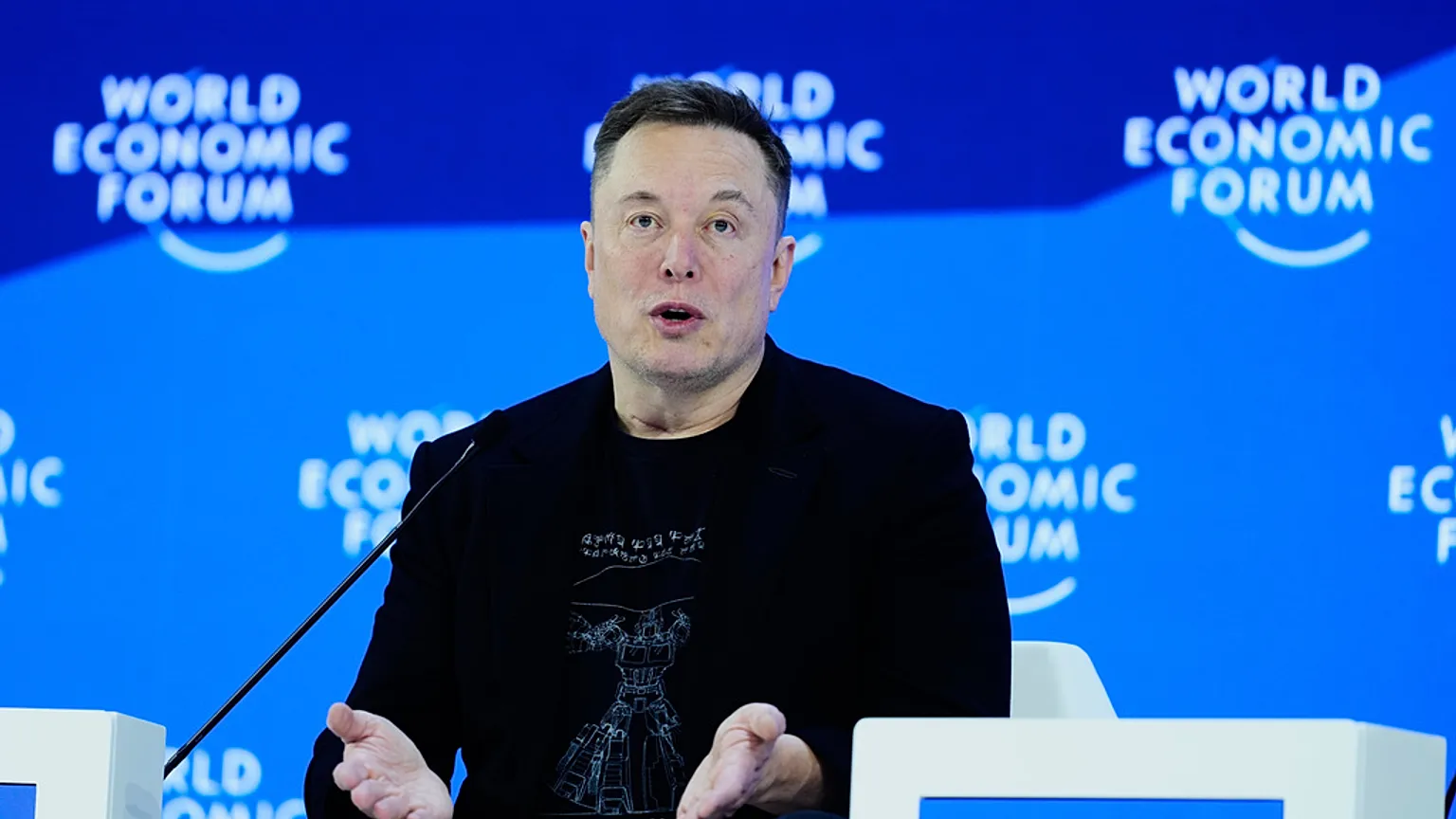
Tunnel talks end fast
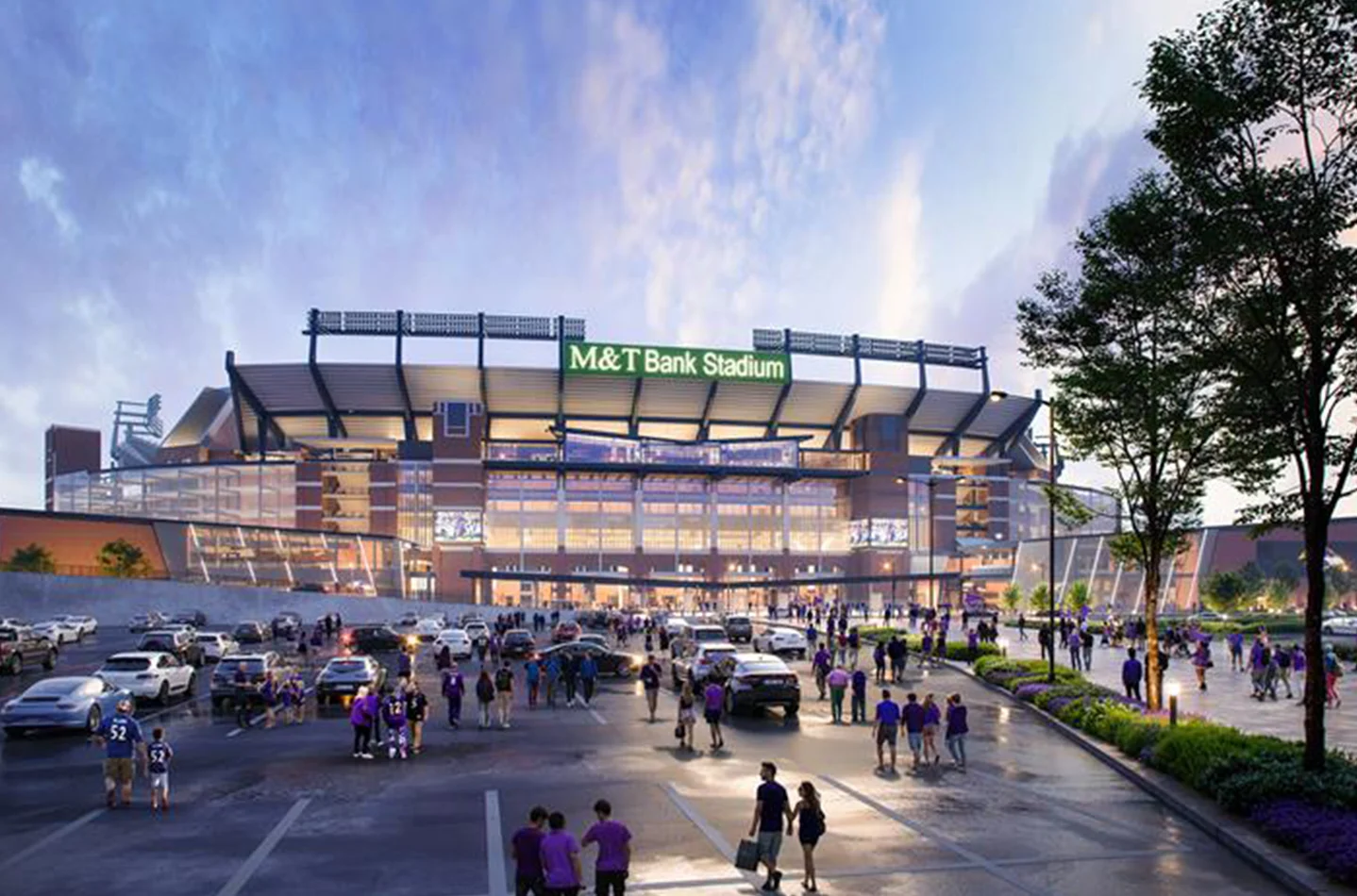
On Tuesday, the Boring Company opened talks with Baltimore officials after the Ravens pitched a tunnel idea near M&T Bank Stadium. The hook was simple: the city would not be on the hook. In most places, “free” buys momentum and time.
In Baltimore, it bought neither. Within nine hours of the tunnel news, the mayor and City Council filed a lawsuit against xAI. By Wednesday, the Ravens said that, after conversations with “public partners,” they would step away from the tunnel proposal. Mayor Scott said it was “not something that I would have approved.”
The striking part is how little oxygen the idea got. Local coverage reflected scant public debate in favor of or against it before it was effectively shelved.
The lawsuit in focus
Baltimore’s complaint against xAI lands inside the broader fight over generative AI oversight. The filing alleges Grok “flooded” users’ feeds with “nonconsensual intimate imagery and child sexual abuse material.” It also warns that ordinary pictures shared by users, including family photos, could be pulled into Grok’s system and later turned into “sexually degrading deepfakes without their knowledge or consent.” The lawsuit further claims xAI has been “normalizing a form of image-based sexual abuse that is difficult to prevent, contain, or remedy once unleashed at scale.”
Those are not small accusations, and they reshape the backdrop for any other Musk-linked pitch that lands on the city’s desk. The timeline alone makes the point: a “free” tunnel discussion began, and before the day was out the city had escalated its legal fight with another Musk company.
In statements emailed to Fortune, City Solicitor Ebony Thompson said Baltimore sued xAI “to protect residents from deceptive and harmful practices involving generative AI tools.” The Mayor’s Office said it supported the Ravens’ “decision to withdraw their application.” The mayor’s press secretary declined to offer additional comment.
Maryland once said yes
The abrupt chill stands out because the state once rolled out a welcome mat for Musk’s tunnel ideas. In 2017, then Gov. Larry Hogan, a Republican, publicly supported a Boring Company plan for a tunnel linking Baltimore and Washington, D.C. for autonomous vehicles. The Maryland Department of Transportation sponsored the effort. Baltimore’s mayor at the time, a Democrat, said it had “tremendous potential.”
That earlier concept was pitched as a major Baltimore to D.C. connector: a 35.3-mile route built as a pair of side-by-side tunnels, intended for self-driving vehicles and marketed as a trip where cars could reach as fast as 150 miles per hour, with multiple stops planned along the corridor. Critics, including engineers, argued it was unfeasible. The project later fizzled after the Boring Company stopped the federal review process.
Politics changes the math
The shift is not only about permits or engineering. Musk has become a political lightning rod, and that has narrowed the margin of tolerance for his companies. After he donated $300 million to President Trump’s campaign and took a hands-on role in government through DOGE, Gov. Wes Moore, a Democrat, became an early critic. In a working session in March 2025, Moore criticized the 2025 dismissal of thousands of federal employees, calling it “arbitrary” and “draconian,” and he described the move as cruel. Steve Davis, the Boring Company’s president, helped Musk run the government department.
Pressure on xAI was also building before Baltimore sued. In January of this year, Maryland Attorney General Anthony G. Brown was among the signers of a letter, alongside 33 other attorneys general, urging xAI to take “additional action” to stop Grok from generating “nonconsensual intimate images and child sexual abuse material.” That call came after a stretch of coverage in late December and early January describing Grok producing graphic and violent sexual content.
Some reports centered on images that appeared to undress women or present them in sexualized ways. Others raised alarms about explicit synthetic depictions involving AI-generated people who appeared underage.
The partisan edge shows up elsewhere, too. In Nevada, Democrats have been the ones calling for accountability after reports of safety issues and environmental episodes tied to Boring Company tunnel construction.
This is the bind for cities trying to do business in public. One Musk company can arrive with a shiny civic gift; another can arrive as a legal and reputational crisis. Officials may want to keep those files separate. The public tends to treat the name as one bundle.
What comes next
The Ravens Loop grew out of the Boring Company’s “tunnel vision challenge,” which drew more than 480 submissions. The company sought pitches for a one-mile loop tunnel with a 12-foot diameter and said it would build a tunnel for free to one winning proposal. This week, it selected the Ravens Loop as one of three projects it would pursue. Beyond that, the Ravens’ specific pitch has not been described publicly in any detail.
On game days, the fundamentals stay the same. M&T Bank Stadium has a capacity of about 70,000 and spans roughly 1.6 million square feet. Getting there still means the usual Baltimore menu: most fans drive and park; others take light rail to the Stadium stop; some ride the subway and make the roughly 20-minute walk; and for bigger games the mix expands with added transit and shuttle options.
On Wednesday, the Boring Company posted an update on X: “After initial meetings, this project unfortunately will not be moving forward as part of the competition,” and suggested it could reopen the selection process to another pitch.
Scrapping a tunnel is the easy part. The harder part is trust, and the boundaries that come with it. A city does not need to outspend a billionaire to draw lines. It can rely on process, permitting, and, when it chooses, the power to sue.
xAI and Boring Company did not respond to requests for comment.