
Articles by Eleanor Stratton
Browse articles in Articles by Eleanor Stratton on U.S. Constitution
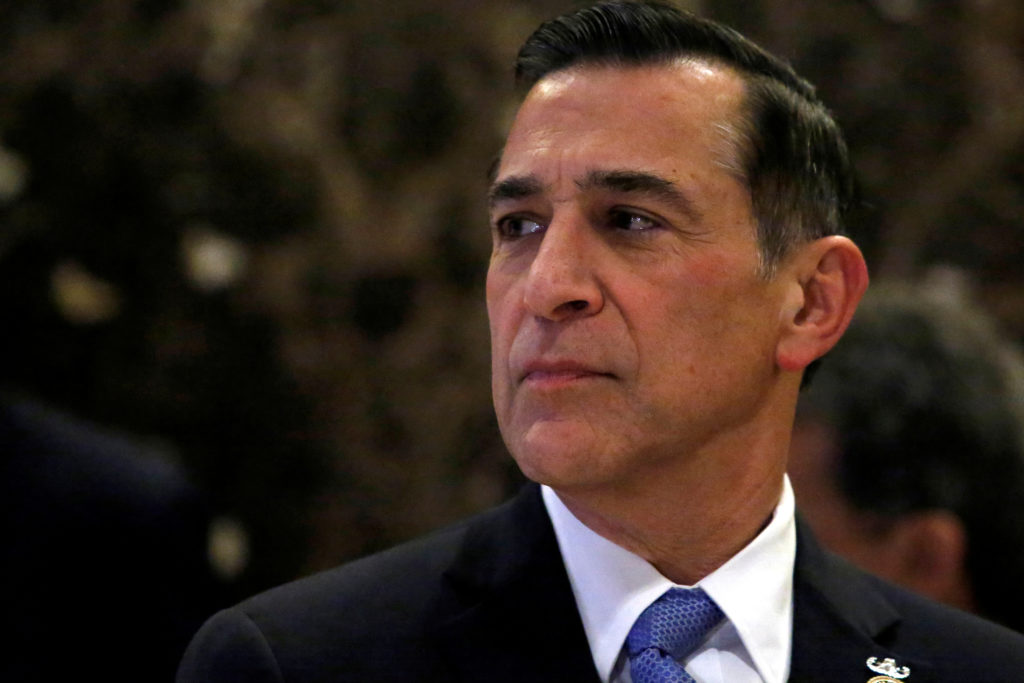
Echoing the Founders’ Vision, Issa introduces NORRA
Rep. Darrell Issa has introduced the No Rogue Rulings Act (NORRA), aimed at limiting the authority of federal judges in issuing nationwide injunctions. This bill addresses what Issa considers judicial overreach that impedes President Trump’s political agenda. Issa argues that judges’ ability to...
Read more →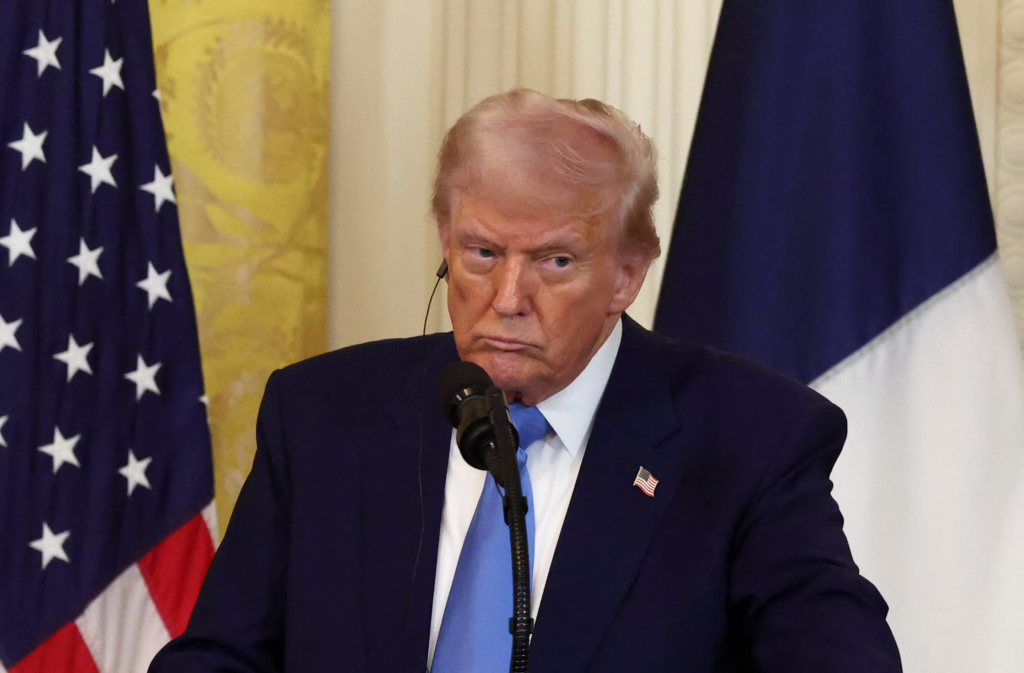
Gold Card Visa: Should money buy you citizenship?
President Donald Trump has introduced a groundbreaking initiative called the “Gold Card,” offering a path to U.S. residency and eventual citizenship for investors willing to pay $5 million . This ambitious program aims to attract substantial financial contributions from wealthy individuals globally...
Read more →
6 Times Progressives Defied Presidential Power
The judiciary was designed to be impartial, yet history has shown that some judges have pushed beyond their constitutional role, injecting politics into the bench. Now, as impeachment proceedings against judges gain momentum , the question arises: Are these necessary checks on judicial overreach,...
Read more →
CDC Attends WHO Conference Defying Order
The Centers for Disease Control and Prevention (CDC) recently took part in a World Health Organization (WHO) conference, seemingly defying President Donald Trump’s executive order to halt U.S. communication with the WHO. This order aimed to: Hold the agency accountable for its handling of the...
Read more →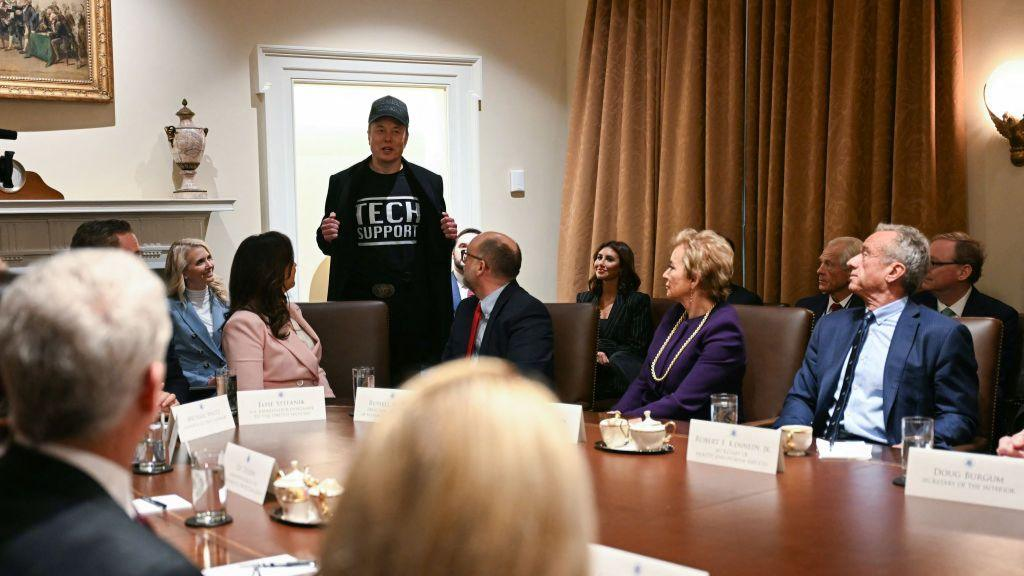
Divided Opinions Inside Trump’s First Cabinet Meeting
President Donald Trump opened his first Cabinet meeting of the second term with Elon Musk in attendance. Musk’s presence highlighted his role in leading the Department of Government Efficiency (DOGE) . His attendance underscored Trump’s inclination to integrate private sector leadership into...
Read more →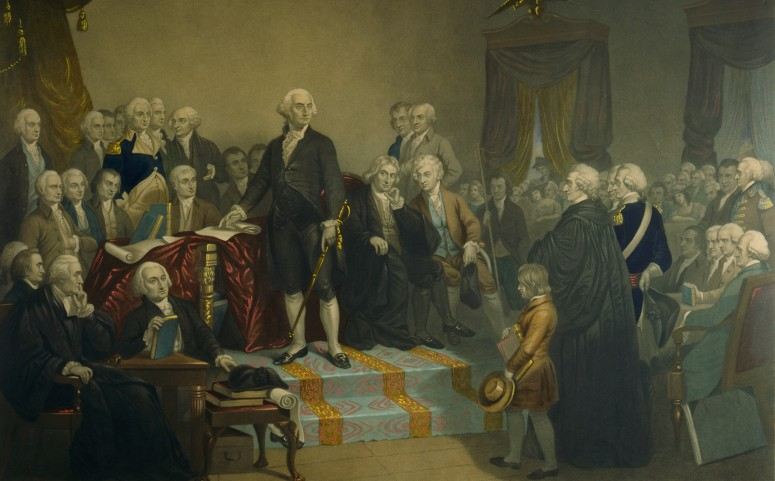
Hamilton vs. Jefferson: The Cabinet Meeting That Started It All
George Washington established the Cabinet in 1789, relying on his judgment to assemble a group of advisors to shape America’s path. Alexander Hamilton joined as Secretary of the Treasury, Thomas Jefferson as Secretary of State, and Henry Knox as Secretary of War. Edmund Randolph served as Attorney...
Read more →
Does Rising Crime Warrant Federal Control Over D.C.?
President Donald Trump envisions a federal takeover of Washington, D.C. to address crime and leadership issues. He proposes leveraging D.C.’s unique constitutional status to allow federal governance of the District. Trump argues this approach could tackle: Crime Graffiti Homelessness These issues,...
Read more →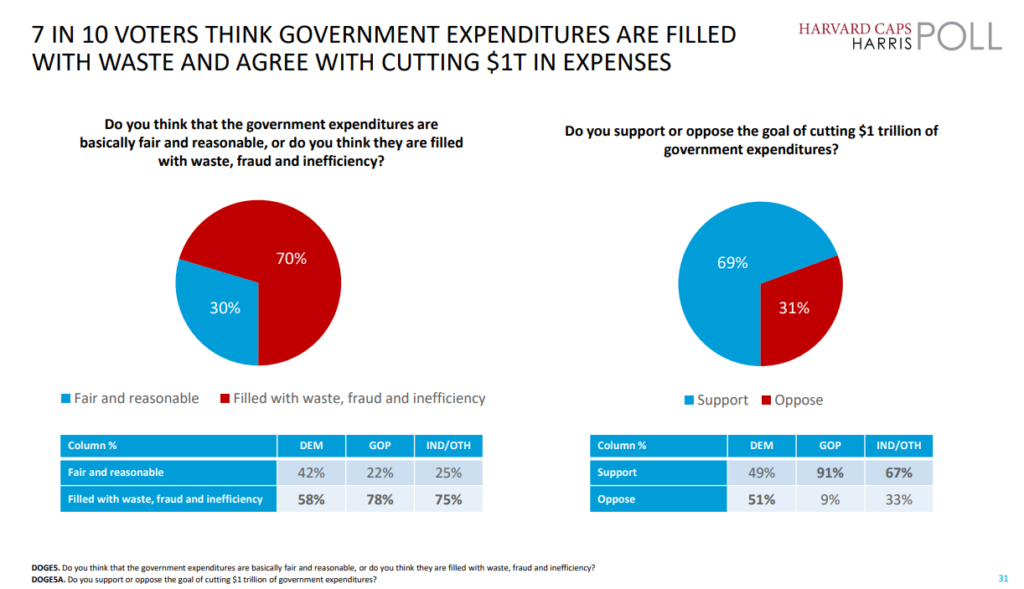
7 in 10 Voters Support $1T DOGE Spending Cuts
Government spending is under intense scrutiny, with a widespread belief that it’s wasteful and inefficient. The Harvard CAPS-Harris poll reveals a striking statistic: 7 in 10 people support cutting $1 trillion from the budget . This sentiment crosses political lines: 58% of Democrats 78% of...
Read more →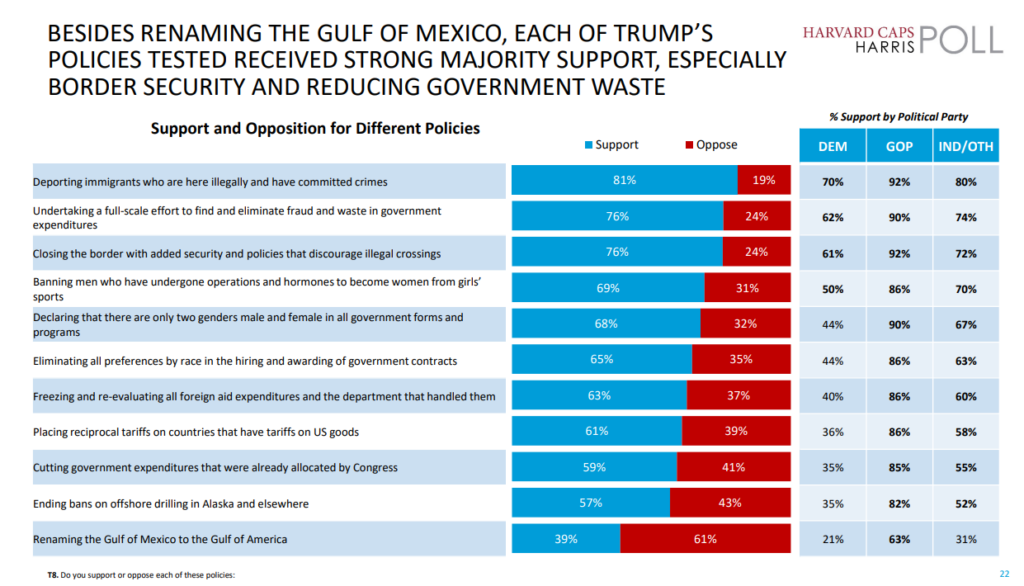
Trump’s Policies Receive Strong Majority Support
Eliminating waste and fraud in government policies stands out as the people’s choice, with 87% in favor . Equally favored is the deportation of illegal immigrants not pursuing citizenship, with 81% support . These numbers reflect a strong public mandate for strict border management. Closing the...
Read more →55% of Voters Agree with Unconditional Birthright Citizenship
The Harris Poll reveals a prevailing belief among Americans regarding birthright citizenship. 63% believe the Constitution mandates citizenship for anyone born in the United States , including children of illegal immigrants. This view is rooted in the 14th Amendment’s wording. Support varies across...
Read more →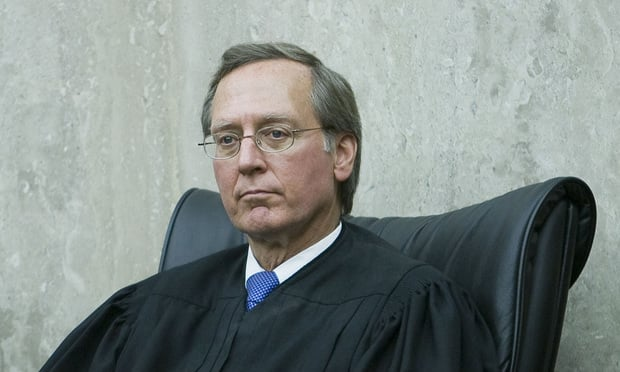
Impeachment of Judge Bates Over Gender-Affirming Care
Rep. Andy Ogles has introduced impeachment articles against Judge John Bates, focusing on Bates’ recent ruling. Ogles claims Bates overstepped by ordering the Centers for Disease Control (CDC), Department of Health and Human Services (HHS), and Food and Drug Administration (FDA) to restore online...
Read more →
Email or Resign: Federal Employees Face Forced Reporting
Elon Musk has launched a controversial program requiring all federal employees to submit weekly productivity reports. The initiative aims to: Streamline government operations Maximize efficiency Bring transparency to the federal workforce Workers must detail their activities in a weekly email to...
Read more →
CPAC Sets the Stage for a Radical Patriotic Turn
Donald Trump’s speech at the Conservative Political Action Conference (CPAC) laid out his vision for a potential new presidential term. He addressed several key points: Criticism of Biden administration policies , particularly their handling of the Ukraine conflict and foreign aid distribution...
Read more →
Federal Judge Blocks Transfer of Transgender Inmates, Citing Constitutional Protections
In a significant constitutional challenge to President Donald Trump’s executive orders on transgender rights, a federal judge on Monday issued a preliminary injunction blocking the Department of Justice (DOJ) from transferring 12 transgender female inmates to male prison facilities. The decision...
Read more →
How Apple Mega Investment Threatens the Free Market
Apple’s recent $500 billion investment pledge into the U.S. economy over the next four years is a significant move. This investment includes: Building an AI server production line in Houston Partnering with Taiwan Semiconductor Manufacturing Co. (TSMC) to increase advanced silicon production in...
Read more →
Is Congress Losing Its Power of the Purse to Trump’s Budget Demands?
President Donald Trump has endorsed a House budget plan that aims to increase funding for: Border security The judiciary National defense These goals align closely with his agenda. The plan proposes cutting at least $1.5 trillion in other areas. House Republicans are eager to push it through, but...
Read more →
Is It Constitutional for the U.S. to Demand Repayment from a War-Torn Ally?
The Constitution allocates power between branches of government for foreign aid and international agreements. Congress has primary authority to regulate foreign commerce, while the President negotiates treaties subject to Senate ratification. This system of checks and balances ensures neither...
Read more →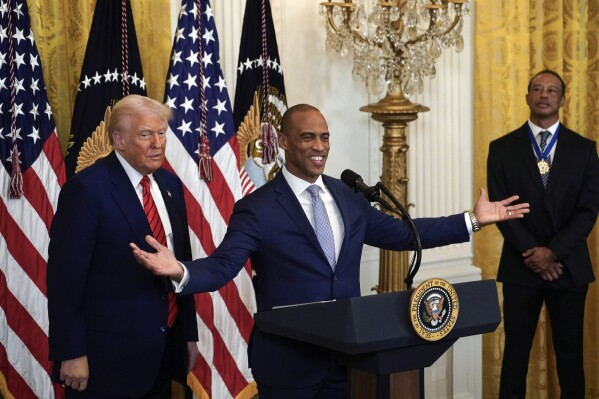
Trump’s Black History Month Event
President Donald Trump marked Black History Month with an event in the White House East Room. Notable attendees included: Senator Tim Scott Representative John James Tiger Woods Trump welcomed guests and praised Black Americans’ contributions to the country. However, the celebration contrasted with...
Read more →
Trump’s First Month Achievements
In a political landscape fraught with shifting alliances and economic uncertainty, President Trump’s return to the White House has reignited debates over what true American leadership looks like. Is it decisive action that cuts through bureaucratic red tape, or a return to foundational values that...
Read more →
Mangione Case: Defense Challenges Unconstitutional Practices
Luigi Mangione’s legal proceedings have taken a contentious turn as his defense attorney, Karen Friedman Agnifilo, raises significant concerns over potential constitutional rights violations during evidence collection. The core of her argument centers on search and seizure issues that emerged...
Read more →