
Articles by Eleanor Stratton
Browse articles in Articles by Eleanor Stratton on U.S. Constitution
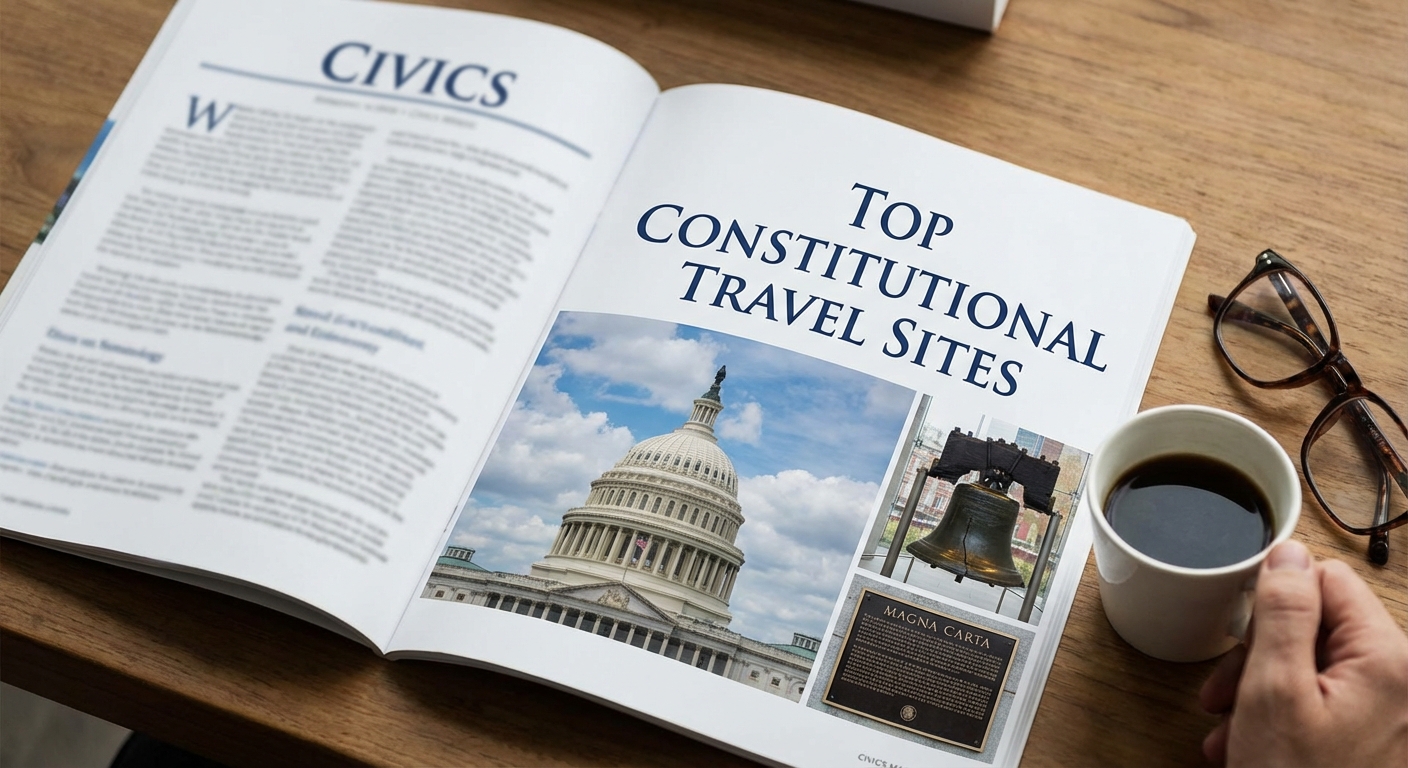
Top Constitutional Travel Sites
Understanding the historical sites that played pivotal roles in shaping the United States provides a deeper appreciation for the principles and events that defined our constitutional republic. These locations offer valuable insights into the minds and actions of the Founding Fathers, whose...
Read more →Constitutional Right to Health Insurance
The historical development of health care rights in the United States has been shaped by ideological movements and constitutional interpretations. From European models of social insurance to American debates influenced by Social Darwinism, the path has been complex. Understanding these roots...
Read more →Origins of Constitution Day
In the early 20th century, fraternal organizations championed Constitution Day celebrations . The National Security League, despite its controversial support for the Alien and Sedition Acts, led the charge. They advocated for a national holiday, emphasizing the Constitution's importance to bolster...
Read more →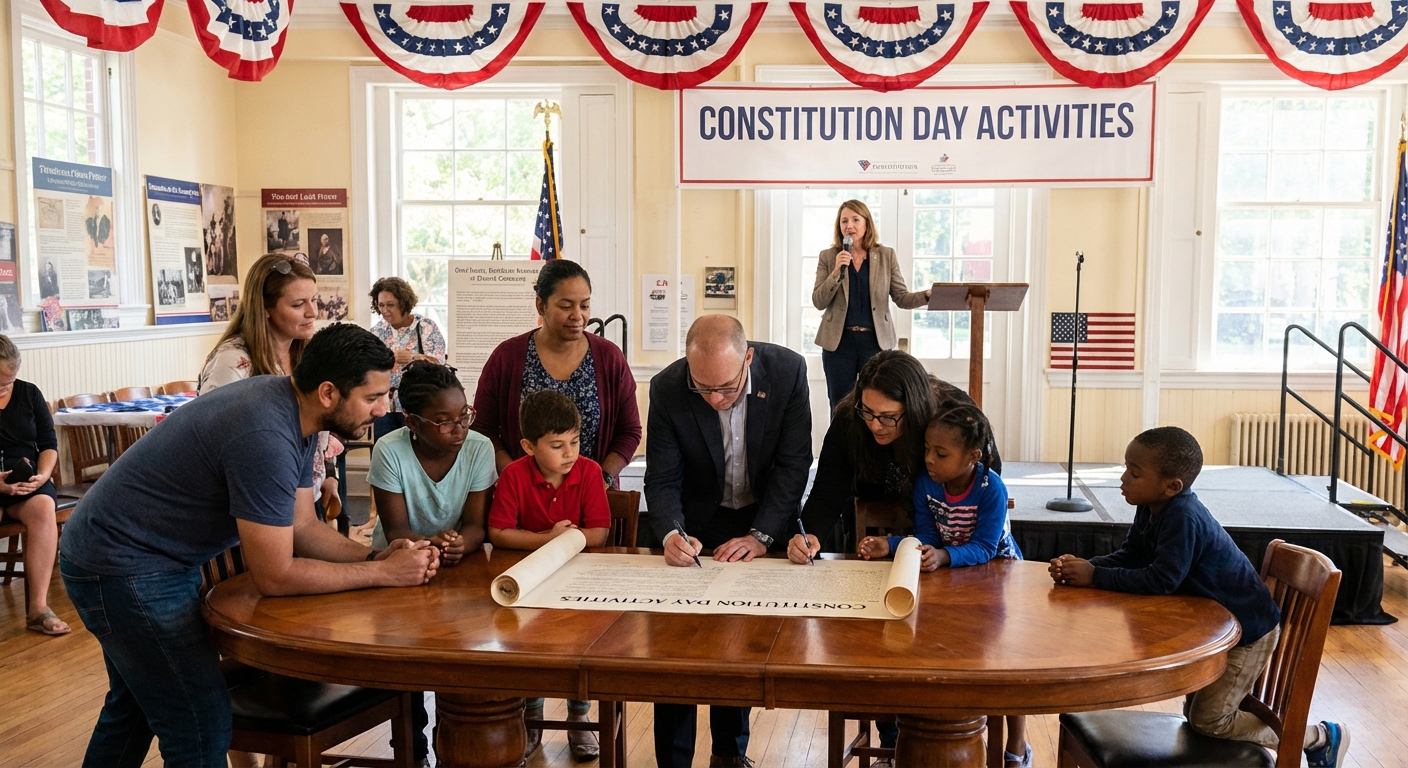
Constitution Day Activities
"Do I Have a Right?" lets students run a law firm specializing in constitutional rights. "Race to Ratify" transports students to 1787, involving them in debates over Constitution ratification. "Executive Command" puts students in the President's role, handling executive decision-making. "Branches...
Read more →Biden’s Constitutional Actions
President Biden’s recent proposals for Supreme Court reforms have sparked debate. These measures include: Term limits for justices A binding ethics code A constitutional amendment on presidential immunity These proposals aim to address current concerns while reshaping the judiciary’s future....
Read more →Roger B. Taney and Dred Scott
Roger B. Taney's path to becoming Chief Justice of the United States was shaped by his upbringing and early career. Born in 1777 into a Maryland plantation family, Taney grew up in an environment that accepted slavery. He pursued legal education, graduating from Dickinson College in 1795, and began...
Read more →First Amendment Supreme Cases
The First Amendment of the United States Constitution exemplifies the principles of free speech and expression envisioned by our Founding Fathers. Through landmark Supreme Court cases, these principles have been interpreted and redefined, shaping the boundaries within which we exercise our...
Read more →First Constitution Day Celebration
Constitution Day and Citizenship Day reflect the significance of the U.S. Constitution and the responsibilities of citizenship. These observances evolved from early 20th-century efforts to foster respect for constitutional principles among Americans, becoming vital components of national identity....
Read more →Significance of Constitution Day
Constitution Day in Seychelles and the Dominican Republic marks significant political milestones. For Seychelles, it commemorates the 1993 referendum that introduced multi-party democracy. In the Dominican Republic, it honors the signing of the first constitution in 1844 after independence. 16th...
Read more →Constitution Day 2025 Date
Constitution Day offers a moment to reflect on the foundational document that shapes American governance. This observance is marked by educational and community activities aimed at fostering civic understanding. The significance of this day lies in its historical roots and the enduring principles...
Read more →Constitution Day 2024 Date
Constitution Day commemorates the signing of the U.S. Constitution on September 17, 1787. This observance reflects on the enduring principles that continue to shape American governance and society. Educational institutions play a key role in ensuring each generation understands the significance of...
Read more →What was Constitution Day called?
The holiday was initially named "I Am an American Day." William Randolph Hearst proposed creating a celebration of American citizenship in 1939. In 1940, Congress took action: Designated the third Sunday in May as "I Am an American Day" President Franklin D. Roosevelt signed the resolution This day...
Read more →History of Constitution Day
William Randolph Hearst proposed "I Am an American Day" in 1939 to celebrate American citizenship. Congress approved it in 1940, setting the third Sunday in May for the observance. The U.S. Immigration and Naturalization Service supported Hearst's efforts, which included sponsoring a film widely...
Read more →Is Constitution Day a Federal Holiday?
Constitution Day commemorates the signing of the U.S. Constitution, reflecting its enduring importance in American history. This observance serves as a reminder of the foundational principles that guide our nation. The journey of Constitution Day began with "I Am an American Day," introduced by...
Read more →Why Constitution Day is September 17
September 17th marks Constitution Day in the United States, commemorating the signing of the U.S. Constitution in 1787. This day serves as a reminder of the document's impact on governance and individual freedoms, highlighting both historical achievements and ongoing civic responsibilities . On...
Read more →Constitution Day Meaning
Constitution Day, observed on September 17, commemorates the signing of the U.S. Constitution in 1787. This day serves as a reminder of the principles that shaped American governance and highlights the enduring significance of this foundational document. The Framers' vision for a balanced...
Read more →Obama’s Constitutional Actions
The United States Constitution guides the balance of power among the branches of government. President Obama's actions during his tenure offer a lens through which we can examine the interpretation and application of constitutional principles in modern times. This examination helps us understand...
Read more →Second Amendment and Militia
The Second Amendment's origins trace back to the Founding Fathers' experiences with standing armies and militias. Influenced by the English Bill of Rights of 1689, which allowed Protestants to possess arms for self-defense, the amendment reflected concerns about potential military oppression. In...
Read more →Clinton vs. Bush: Constitutional Records
Understanding the constitutional actions of U.S. presidents provides insight into how executive power, legislative influence, and judicial appointments shape our nation. Examining the presidencies of Bill Clinton and George W. Bush reveals distinct approaches to these critical aspects of...
Read more →Bill Clinton Constitutional Issues
The impeachment of President Bill Clinton centered on allegations of sexual harassment, perjury, and obstruction of justice. These accusations prompted an examination of both legal and constitutional implications. Clinton’s troubles began with Paula Jones’ civil lawsuit alleging sexual...
Read more →