
Articles by Eleanor Stratton
Browse articles in Articles by Eleanor Stratton on U.S. Constitution

Trump Ends CBP One App
On his first day as President, Donald Trump made good on his campaign promise to overhaul border policies by shutting down the CBP One App. This digital system, introduced in 2023, had allowed nearly 1 million migrants to lawfully enter the U.S. by scheduling appointments at border ports. Trump...
Read more →El Paso Port Closure Amid Trump’s Orders
On January 20, President Trump’s administration enacted significant changes at the El Paso Port of Entry, signaling a shift in border enforcement policy. Officers in riot gear stood ready, embodying the renewed focus on border security. The President had taken office prepared to address border...
Read more →SALT Deduction Explained
The State and Local Tax (SALT) deduction allows taxpayers to subtract state and local taxes from their federally taxable income. In 2017, the Tax Cuts and Jobs Act (TCJA) capped SALT deductions at $10,000, affecting taxpayers in high-tax states like California, New York, and New Jersey. Former...
Read more →Income Taxes and Constitutionality
Income taxes have been a subject of national debate throughout American history. The Constitution initially gave Congress the authority to impose taxes, but with limitations on “direct” taxes. In the late 1800s, the Supreme Court’s decision in Pollock v. Farmers’ Loan & Trust Co. declared a...
Read more →Biden Extends Deportation Protections
President Biden's executive actions have extended Temporary Protected Status (TPS) for immigrants from Sudan, Ukraine, El Salvador, and Venezuela, affecting hundreds of thousands who can now renew their statuses and continue residing in the U.S. with work permits. This move impacts: Approximately...
Read more →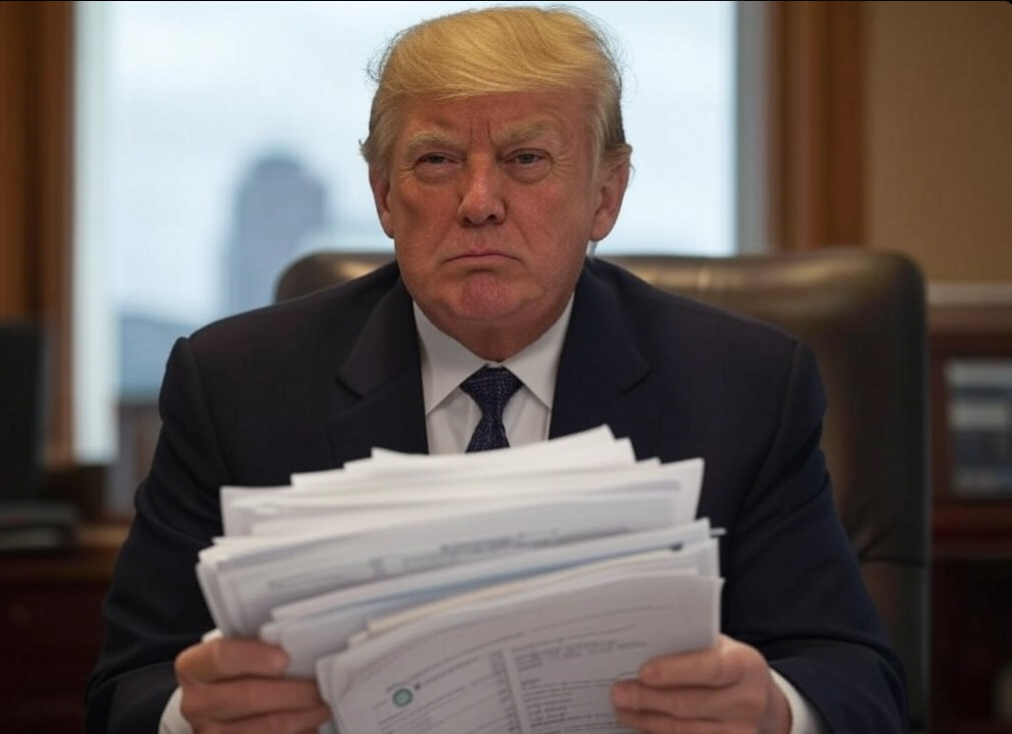
Trump’s 2025 Tax Proposal Analyzed
The 2017 Tax Cuts and Jobs Act (TCJA) is set to expire, and Trump aims to make the income tax rate cuts and standard deduction permanent. This decision could maintain lower tax bills for many middle-class families. If the TCJA expires by 2026, most people would face higher taxes as income brackets...
Read more →Worst US Presidents by Constitution Violations
Throughout American history, the presidency has reflected broader constitutional debates and tensions. Examining these presidencies offers insight into how leadership choices can shape the nation's trajectory, particularly when they intersect with the enduring principles enshrined in the...
Read more →MN GOP Recall Threat Over Dem Boycott
The Minnesota Republican Party is planning to pursue constitutional recalls against Democrats considering absence from the state legislature. At a Monday press conference, Chairman Alex Plechash declared: "Minnesotans expect one thing from their elected officials: to show up and do the job they...
Read more →Supreme Court on Gun Law Challenges
The U.S. Supreme Court has declined to consider challenges to gun regulations in Delaware and Maryland, leaving intact lower courts' decisions that support the states' firearm laws. This move disappoints gun enthusiasts and advocacy groups while affirming states' rights to implement certain types...
Read more →Trump Kills GOP Stopgap Bill
President-elect Trump has voiced opposition to the continuing resolution (CR) currently under debate in the House. He believes the bill concedes too much to Democrats without adequate benefits for Republicans. Trump urged lawmakers to support a "streamlined spending bill that doesn't give Chuck...
Read more →Biden’s White House Secret
Behind the scenes at the White House, a team of Aides and Advisers work to hide the truth from the American public. President Biden’s administration operates with a team of key aides and advisers who manage his public presence and decision-making processes. This inner circle provides support to...
Read more →Harris’ Sudden White House Return
Vice President Kamala Harris and President Joe Biden both cancelled their planned trips, opting to stay in Washington D.C. This sudden change in plans has sparked curiosity and speculation. While no official reason was given, some wonder if the threat of a partial government shutdown, with Congress...
Read more →Montana Climate Ruling
The Montana Supreme Court’s interpretation of the ‘clean and healthful environment’ clause within its state constitution marks a significant judicial decision. In the Held v. Montana case, the court ruled that this clause includes the right to a stable climate system. This determination arose...
Read more →Trump and the 14th Amendment
Section 3 of the 14th Amendment, established after the Civil War, disqualifies certain federal officials who engaged in rebellion or insurrection after swearing to support the Constitution. Its original intent was to prevent former Confederates from returning to positions of power. The language is...
Read more →FEMA’s Role and Constitutionality
FEMA, the Federal Emergency Management Agency, was established in 1979 by President Jimmy Carter's executive order. Its dual mission encompasses managing emergencies and handling civil defense. FEMA's role extends beyond disaster response, ensuring the continuity of U.S. government operations...
Read more →DEI Legal Challenges
The Supreme Court's decision in Students for Fair Admissions v. Harvard has brought constitutional scrutiny to Diversity, Equity, and Inclusion (DEI) initiatives. Chief Justice John Roberts emphasized that government entities cannot use race as a stereotype, aligning with previous rulings that...
Read more →Congress Approves Pay Raise, ACA Opt-Out
The current congressional pay raise proposal has sparked heated debate. Members of Congress have seen their salaries frozen at $174,000 since 2009, with no cost-of-living adjustment (COLA) for over a decade. Some lawmakers contend that this pay level discourages talented individuals from seeking...
Read more →House Resolution Threatens Rule of Law
“No one is above the law” has already been challenged this year; and a new provision raises questions about whether congress should be able to write it’s own rules – putting themselves above the law. The continuing resolution (CR) includes a provision that has ignited controversy. It allows...
Read more →Congress Clears Path for RFK Stadium
The House Natural Resources Committee has approved legislation allowing Washington, D.C. to enter a 99-year lease with the National Park Service for the old RFK Stadium site. This marks a pivotal moment for the city’s redevelopment aspirations and could pave the way for the Washington Commanders...
Read more →Funding for GEC Amid Censorship Lawsuit
The Global Engagement Center (GEC) was established with a noble mission: to combat foreign disinformation efforts and protect U.S. interests. Its aim was to ensure information integrity by collaborating with social media platforms and tech companies. However, the GEC now faces intense scrutiny and...
Read more →