
Articles by Eleanor Stratton
Browse articles in Articles by Eleanor Stratton on U.S. Constitution
Can the U.S. Legally Exit the United Nations?
The U.S. Constitution doesn’t directly address withdrawal from international organizations like the UN. It grants treaty-making powers to the President, with Senate approval required. The process of leaving such treaties or commitments is less clear. Historical precedents show varied approaches...
Read more →Senate’s Crucial Role in Confirming Director Roles
The Senate's duty to advise and consent on presidential nominations is a key feature of our constitutional republic. This process helps maintain the independence necessary for upholding the law, especially for positions like FBI Director. During confirmation hearings, Senators examine nominees'...
Read more →Origins of Presidents Day
Every February, Americans enjoy a long weekend in honor of Presidents Day—but why exactly do we celebrate it? While many associate the holiday with sales and discounts, its origins run much deeper in American history. Rooted in the early years of the republic, the day has evolved over time,...
Read more →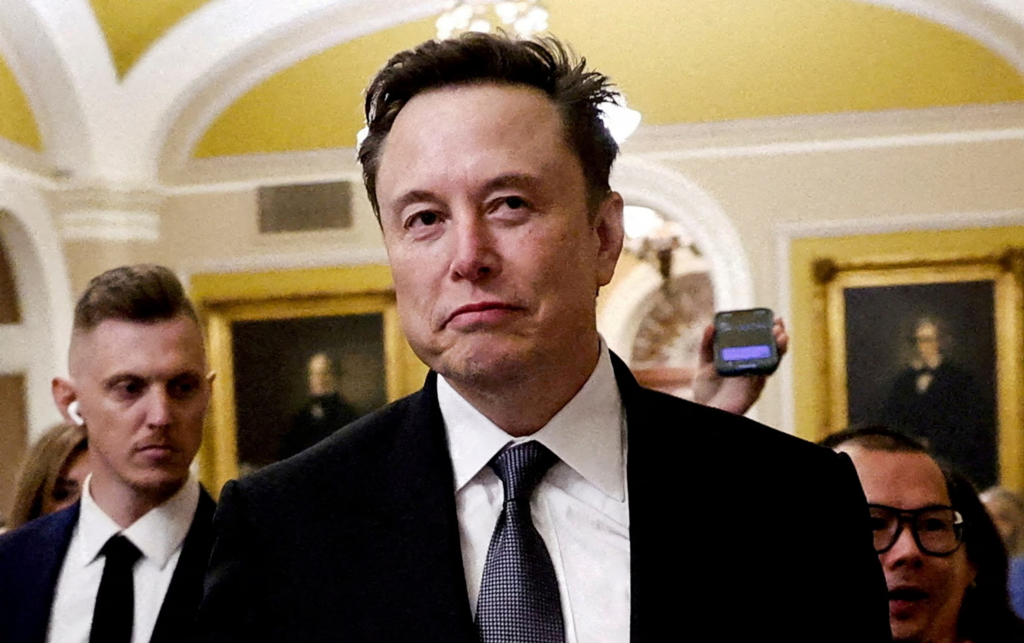
What’s the Difference Between Political Appointees and Career Politicians?
Presidents set the agenda, appointing allies to key positions to drive their policies forward. But behind the scenes, career government officials remain in place, outlasting elections and steering the system from within. Are these longtime bureaucrats protecting institutional stability – or...
Read more →Does the President Have Constitutional Authority to Shape Foreign Policy?
The United States Constitution balances power among branches of government, ensuring no single entity wields unchecked authority. The president’s role in foreign policy, particularly in shaping international relations and peace negotiations, is both empowered and restrained by this constitutional...
Read more →Who Controls America’s Money? The Constitution vs The Treasury
The Constitution makes it clear that Congress has the power to tax, borrow, and spend—but what happens when an unelected group is granted access to the nation’s financial systems? Under President Trump, the Department of Government Efficiency (DOGE), led by Elon Musk, was tasked with cutting...
Read more →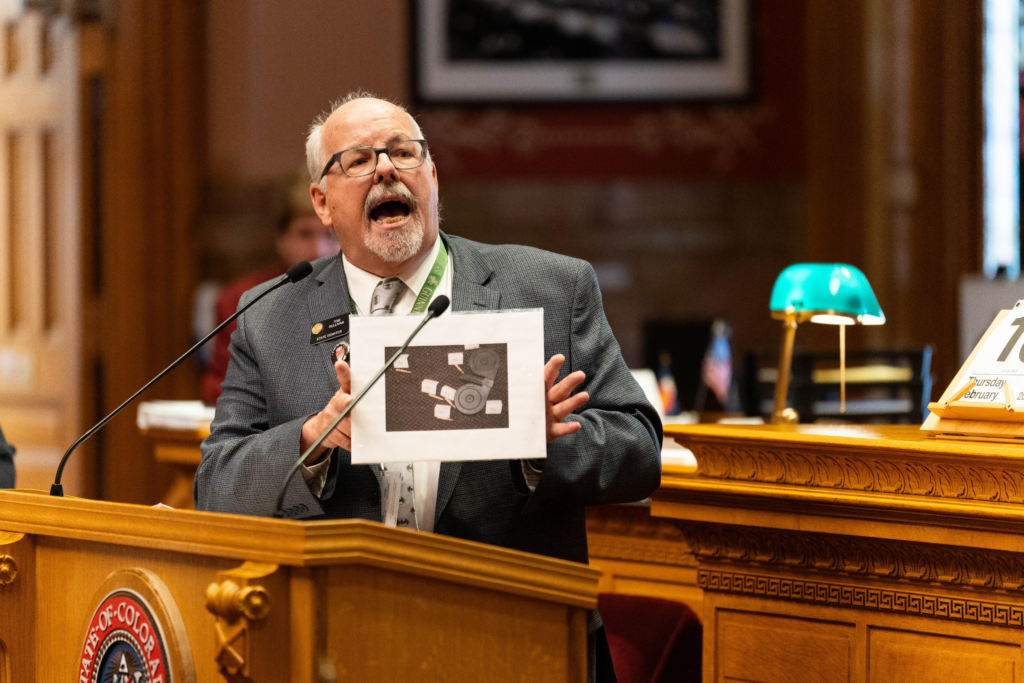
Is Colorado’s high-capacity gun ban a direct hit on the Second Amendment?
Senate Bill 3 in Colorado aims to restrict firearm rights by outlawing the manufacture, sale, and purchase of firearms capable of holding over 15 rounds of ammunition. This legislation targets popular firearms such as AR-15s, AK-47s, and various shotguns and pistols equipped with high-capacity...
Read more →
Constitutional Cash-Back? Does the Government Owe You a DOGE Dividend?
A proposal to give taxpayers a “DOGE dividend” has gained attention. X user James Fishback outlined a plan to use 20% of the Department of Government Efficiency’s (DOGE) savings for tax refund checks. If DOGE reduces $2 trillion from federal spending, each taxpaying household could receive a...
Read more →Can The White House Ban The Press?
The First Amendment safeguards press freedom, a crucial element of our constitutional republic. The White House’s decision to bar Associated Press journalists due to their refusal to adopt the term “Gulf of America” raises important questions about the balance between government power and...
Read more →Do Probationary Employees Have A Constitutional Right To Due Process?
Due process, as outlined in the U.S. Constitution, protects against arbitrary governmental actions. For probationary employees, this principle has specific implications. The Fifth and Fourteenth Amendments establish procedural and substantive due process: Procedural due process ensures fair...
Read more →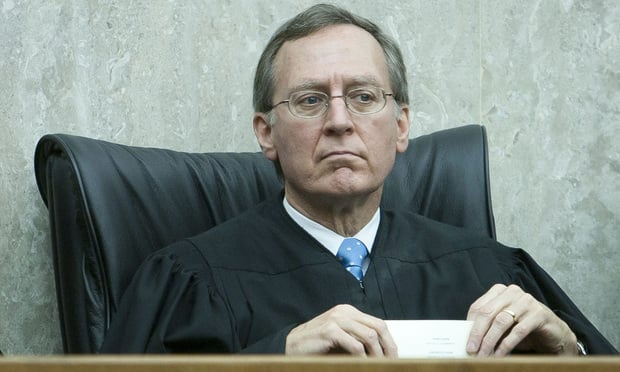
Judge Delays DOGE Data Access Block
A federal judge’s decision on Monday placed temporary restraints on unions’ efforts to stop the Department of Government Efficiency (DOGE) from accessing federal agency data. This highlights a legal discussion over whether DOGE should be considered a federal agency. Judge John D. Bates...
Read more →What The Constitution Says About A Presidential Third Term
The 22nd Amendment of the U.S. Constitution, ratified in 1951, limits a president to two terms in office. This rule was established following Franklin D. Roosevelt’s four-term presidency. Before this amendment, the two-term tradition was an unwritten rule, set by George Washington when he stepped...
Read more →Is the Legal Challenge to Birthright Citizenship Stronger Than Expected?
Birthright citizenship, a cornerstone of American identity, originates from the 14th Amendment of the U.S. Constitution. This principle grants citizenship to anyone born on U.S. soil, regardless of their parents' legal status. Its roots lie in the post-Civil War era when the nation was redefining...
Read more →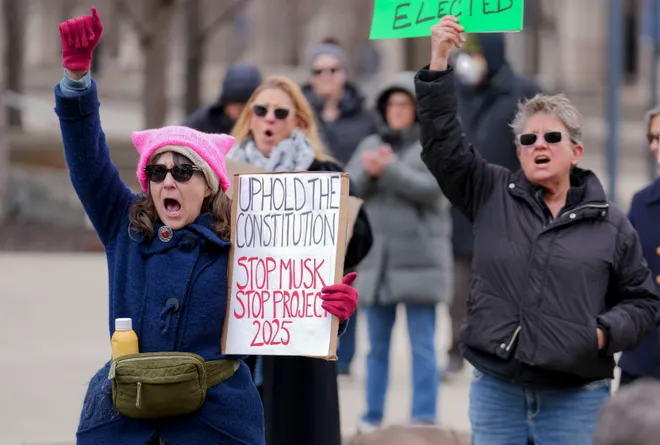
Constitutional Values Clash at Presidents Day Protests
The 50501 Movement organized protests across the United States on Presidents Day under the theme “No Kings on Presidents Day.” Demonstrators voiced concerns about perceived threats to constitutional values and individual freedoms under President Trump’s administration. Key issues motivating...
Read more →Trump Halts Funding For Schools with Vaccine Mandates
President Donald Trump's new executive order halts federal funding for schools maintaining COVID-19 vaccine mandates for students. This aligns with efforts to end vaccine requirements across various sectors. The order aims to give parents more influence over their children's health decisions....
Read more →How Judicial Review was Established in 1803
In the early 1800s, America witnessed a power shift from the Federalists to the Jeffersonian Republicans. John Adams, the outgoing Federalist president, made last-minute judicial appointments, including William Marbury as justice of the peace in the District of Columbia. When Thomas Jefferson took...
Read more →Humphrey v. U.S.: Who Controls Independent Agencies?
Who really controls Washington’s powerful independent agencies – the President or Congress? For nearly a century, the battle over independent agencies has shaped American governance. With the Supreme Court now shifting power back to the executive, are we witnessing the end of agency...
Read more →Can Judges Control the Executive’s Legitimate Power?
Article II of the U.S. Constitution defines executive power, outlining the President’s duties and responsibilities. While granting significant authority, it includes checks and balances to prevent absolute power. The document assigns the President roles in: Law enforcement Military leadership...
Read more →Federal Judge Clarifies Trump Administration’s Funding Freeze
U.S. District Judge John McConnell recently clarified the federal funding freeze instituted by President Donald Trump’s administration. McConnell determined that while the administration can pause federal spending, it must align with existing statutes and laws. This wasn’t a carte blanche move...
Read more →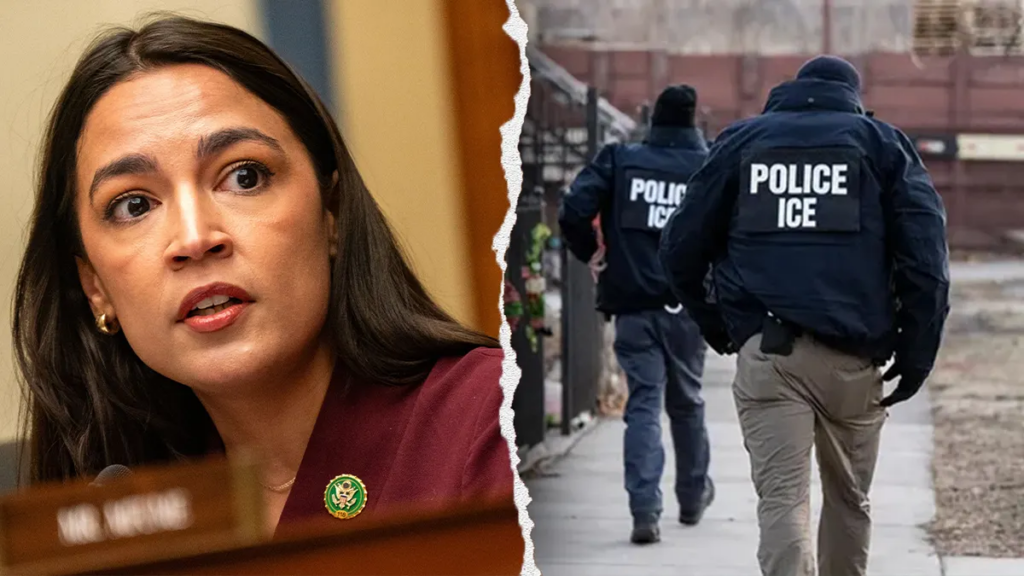
Defending the Constitution or Defying Federal Law? The Controversy Over Migrant Guidance
Migrants in the United States, regardless of immigration status, are protected by the Fourth Amendment against unreasonable searches and seizures. This applies to everyone on American soil, not just citizens. Law enforcement, including Immigration and Customs Enforcement (ICE), must show a judicial...
Read more →