
Articles by Eleanor Stratton
Browse articles in Articles by Eleanor Stratton on U.S. Constitution

Juneteenth: What It Commemorates and How It Became a Federal Holiday
Juneteenth is often described as the day slavery ended in America. That is true in a moral sense, and more complicated in the historical one. What Juneteenth commemorates is specific: June 19, 1865 , when enslaved African Americans in Texas were told they were free, more than two and a half years...
Read more →
The Supreme Court and the Weather-Delayed Ballot
Most election disputes are fought with spreadsheets and statutes. This one is being fought with wind, ice, and a single, stubborn fact of American geography: in parts of the United States, the mail does not move on a predictable timetable. The Supreme Court is considering a challenge that could...
Read more →
The Death Row Split Between Kavanaugh and Gorsuch
Some constitutional rules look clean on paper but messy in a courtroom. The doctrine promises an orderly sequence, yet real trials move fast, objections overlap, and judges are forced to make credibility calls on the fly. When that happens, a procedural misfire can turn into the whole case: did the...
Read more →
Techdirt’s Funniest Comments of the Week, and Why They Matter
There is a particular kind of comment section that does not just dunk on the news. It audits it. Techdirt tends to draw that kind of reader. People who can spot a bad incentive structure from a mile away, people who understand that “just ban it” is not an argument, and people who use humor the way...
Read more →
Trump Presses DOJ ‘Weaponization’ Fund After Court Block and Walkout
There are two very different ways to read a president insisting a controversial government fund should “move forward” after the Justice Department has backed away and a judge has already blocked it. One reading is political. The other is constitutional. And right now, President Donald Trump is...
Read more →
The Roberts Court Won’t Stop Dismantling the Voting Rights Act
It is one thing for the Supreme Court to narrow a landmark statute in a signed opinion after full briefing, argument, and a public explanation. It is another thing entirely to do it in the dark, by unsigned order, on the emergency docket, with a few paragraphs that function like a shrug. That is...
Read more →Visa Bulletin and Priority Dates Explained
The Visa Bulletin looks simple until you actually need it. A grid of dates. A few cryptic letters. Two different charts that do not always move together. And the quiet, unnerving truth that your place in line for a green card is not just about eligibility. It is about arithmetic, quotas, and when...
Read more →
H-1B Visa Explained
The H-1B visa sits at a uniquely American intersection: business demand, immigration law, and a system built to ration opportunity through paperwork. It is the most widely recognized “specialty occupation” work visa, and it is also one of the most misunderstood. People talk about it like a golden...
Read more →
Mail and Wire Fraud Explained
Mail fraud and wire fraud are the federal government’s legal Swiss Army knife for deception that crosses a mailbox or an internet connection. They show up in investment scams, fake invoices, corrupt contracting, bogus charities, identity theft rings, and corporate coverups. The reason is simple:...
Read more →
Obstruction of Justice, Explained
In the movies, obstruction of justice usually looks like a panicked cover-up. A shredded file. A hush-money exchange. A witness who suddenly “can’t remember.” In federal court, it is less cinematic and more structural. Obstruction is not a single crime. It is a family of statutes that punish...
Read more →
Federal Conspiracy Charges Explained
Federal conspiracy is one of those charges that sounds like it belongs in spy movies, but it shows up in everyday indictments: fraud , drugs, public corruption, immigration, protest cases, even market manipulation. It is also one of the government’s most flexible tools, because it lets prosecutors...
Read more →
VAWA Self-Petition Explained
You can live inside an abusive home and still be trapped by paperwork. That is the leverage an abuser often counts on. The threat is not always a raised hand. Sometimes it is a sentence delivered calmly across a kitchen table: I will get you deported. The Violence Against Women Act, usually...
Read more →T Visa Explained: Protection for Trafficking Survivors
Many immigration categories are anchored in work, family, or a fear of persecution. The T nonimmigrant visa is anchored in something else: what it means to survive human trafficking, and then try to rebuild a life while the criminal justice system moves forward. Congress created T status in the...
Read more →
U Visa Explained: Immigration Relief for Crime Victims
You can be the victim of a serious crime in the United States and still be treated, in practice, like you are the problem. The U visa was created to change that. It is a humanitarian immigration status for certain crime victims who have suffered substantial harm and who are willing to help law...
Read more →
Primary Elections vs. General Elections
In American politics, we talk about “the election” like it is a single moment. It is not. It is a process, and in many places it has two big gates. The first gate is often a primary election or caucus . In the classic partisan model, this is where Democrats, Republicans, and other parties decide...
Read more →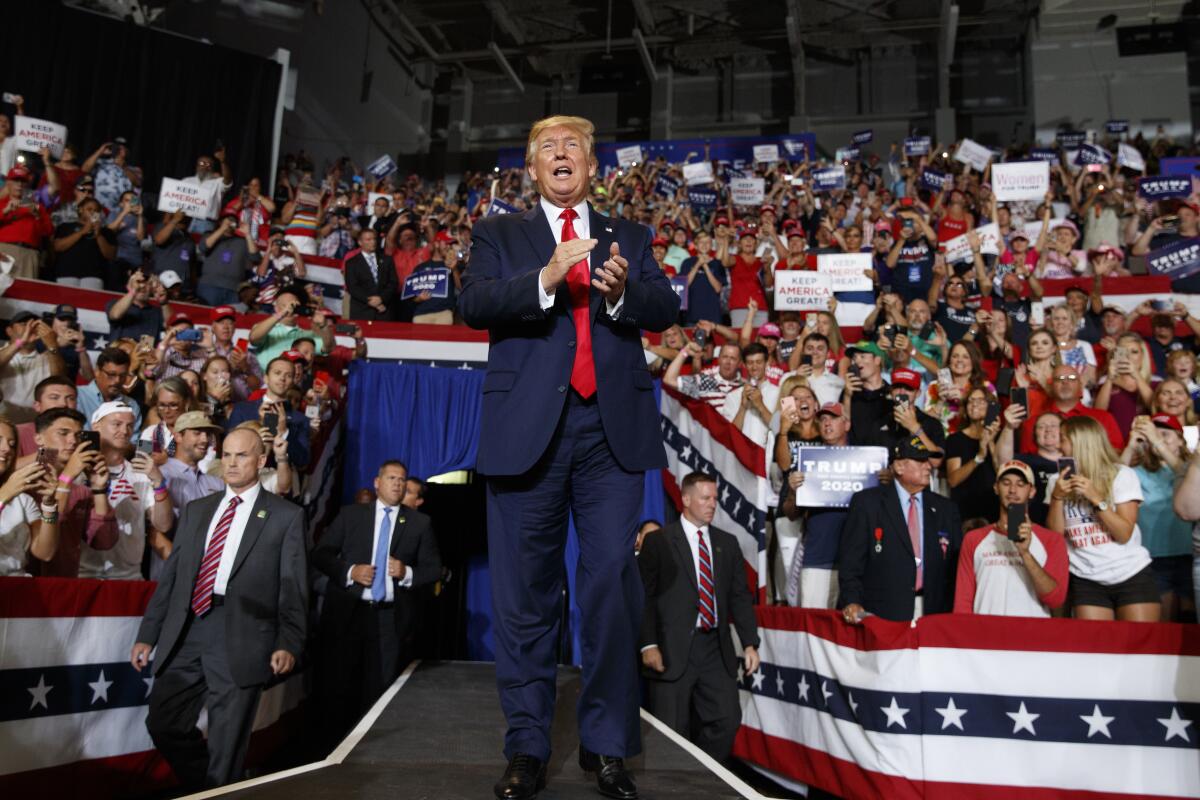
Six Primary Night Signals That Could Shape the Midterms
Primary nights are supposed to be about nominees. In reality, they are stress tests for political narratives. They reveal which candidates can survive scrutiny, which factions can coordinate, and which signals still move voters when the rubber meets the ballot box. The latest round of midterm...
Read more →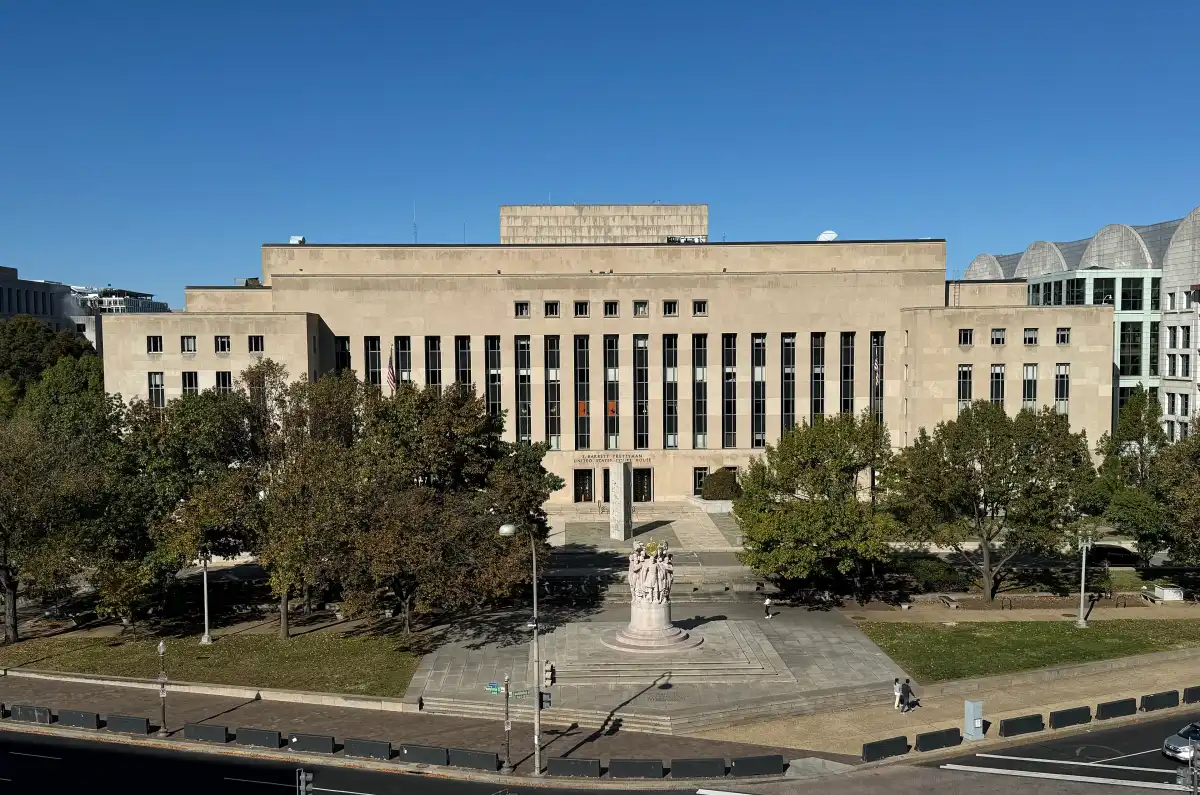
Appeals Court Blocks Pentagon From Removing Trans Troops
The Constitution does not contain a “military fairness” clause. It does not mention the armed forces at all, except to give Congress and the President overlapping powers to create them, fund them, and command them. And yet, some of the most consequential questions about equal protection, due...
Read more →Cancellation of Removal, Explained
In immigration court, “removal” is the formal word for deportation. “Cancellation of removal” is exactly what it sounds like: a judge can cancel the removal case and let a person stay in the United States. But here is the catch that confuses people. Cancellation is not a constitutional right. It is...
Read more →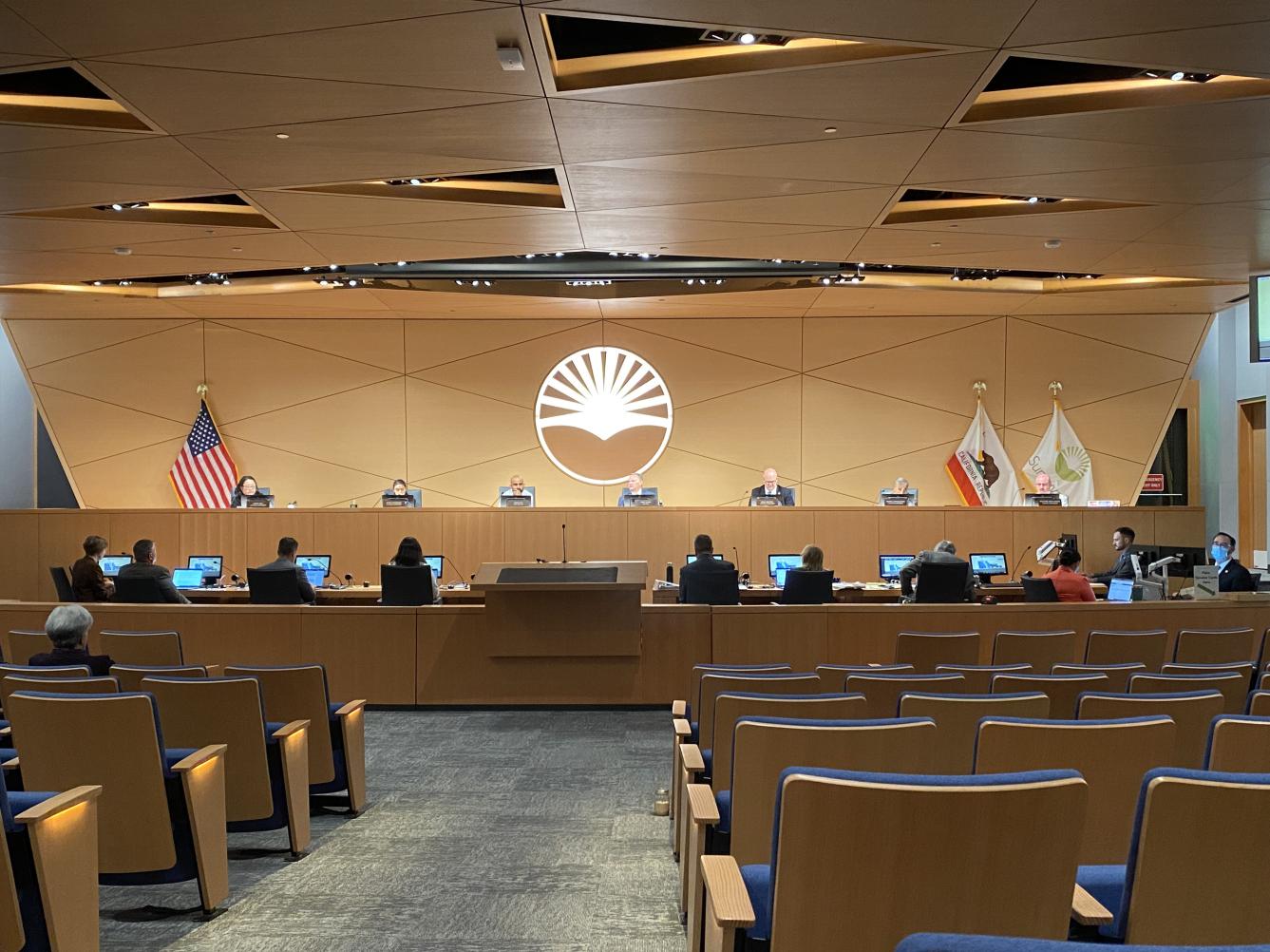
Monell Liability Explained
You can sue a police officer for violating the Constitution. That part is familiar. Suing the city is where people get blindsided. Most of us assume the government “owns” what its employees do. In everyday life, employers are often responsible for employees under a doctrine called respondeat...
Read more →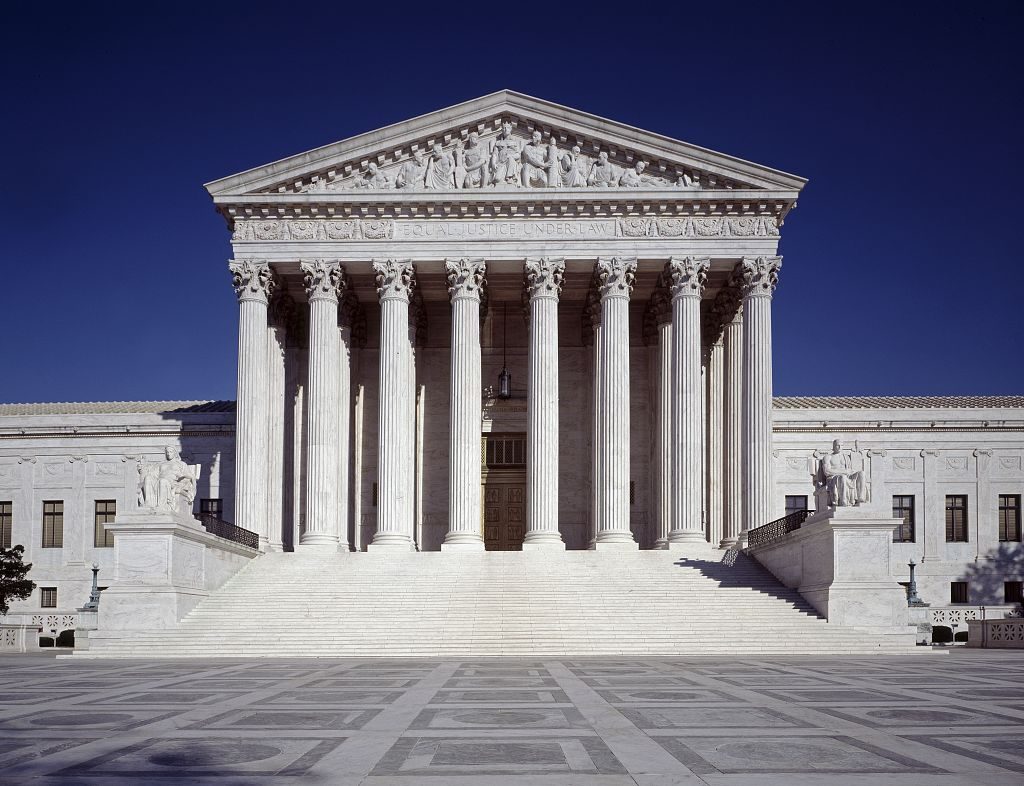
SpeechNow.org v. FEC Explained
Super PACs did not appear out of nowhere in 2010. They grew out of a specific legal conclusion: if a group is making independent expenditures , meaning it is not coordinating its spending with a candidate, then limiting how much people can give to that group starts to look less like corruption...
Read more →