
Articles by Eleanor Stratton
Browse articles in Articles by Eleanor Stratton on U.S. Constitution
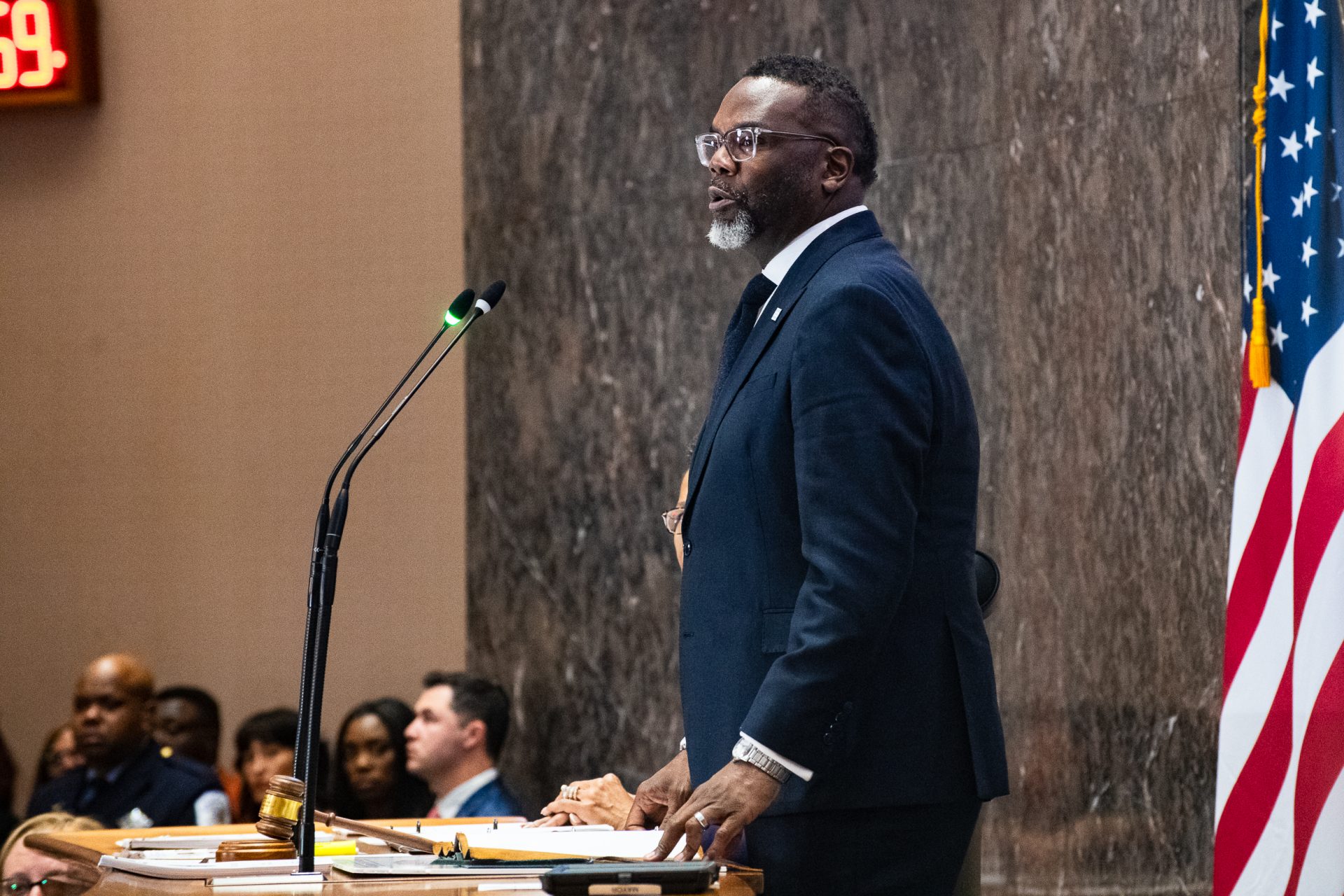
Chicago Mayor’s Armed Detail and Two Sets of Rules
There is a particular kind of argument that never happens in a courtroom and yet shapes constitutional culture anyway: the argument about who gets to live under the “real” rules. That is why a reported price tag attached to Chicago Mayor Brandon Johnson’s personal security has landed with...
Read more →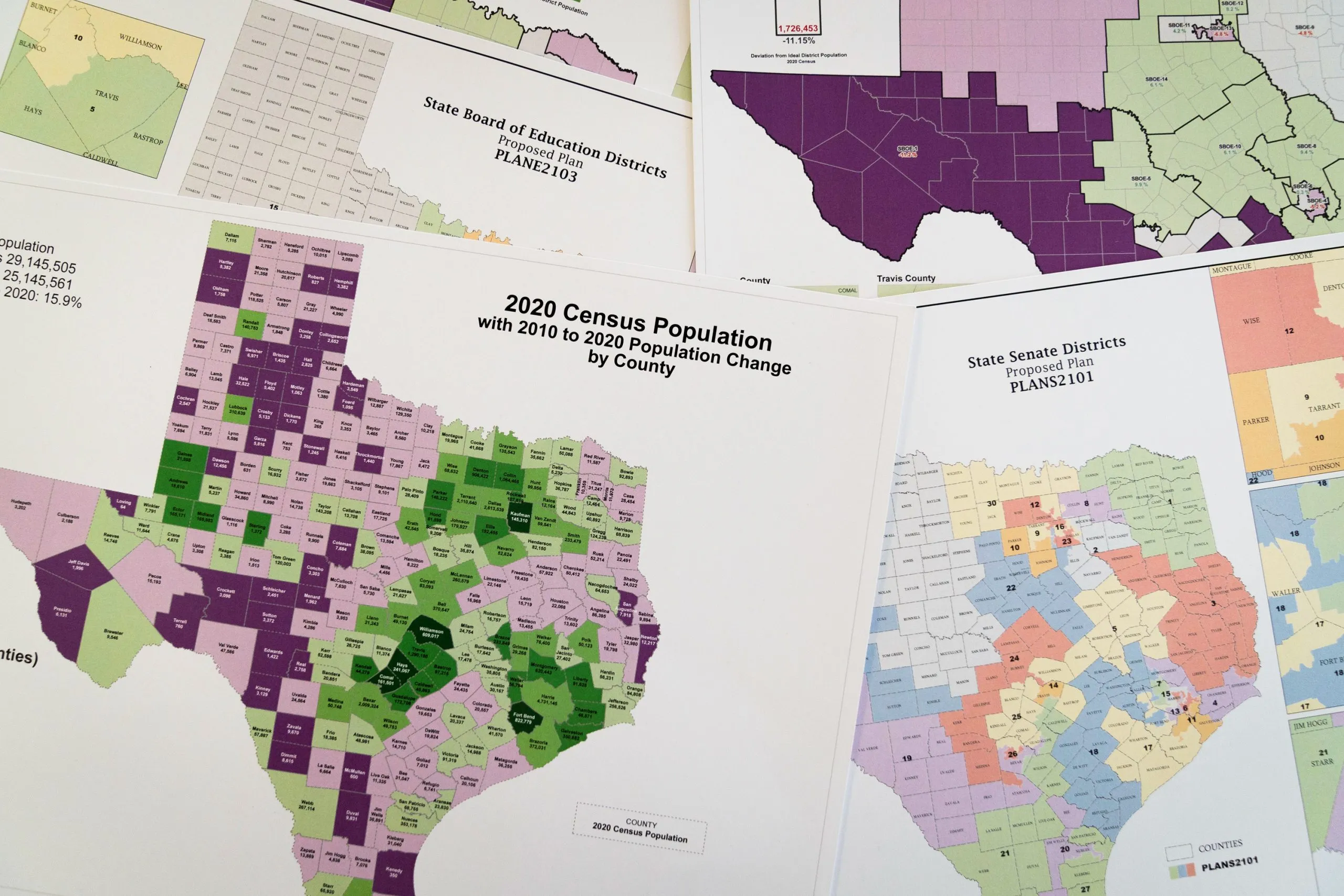
Gerrymandering Explained
Gerrymandering is what happens when the people who draw election districts choose their voters before voters choose them. More literally: it is the deliberate shaping of district boundaries to tilt election outcomes. Sometimes the goal is partisan advantage. Sometimes it is to weaken the voting...
Read more →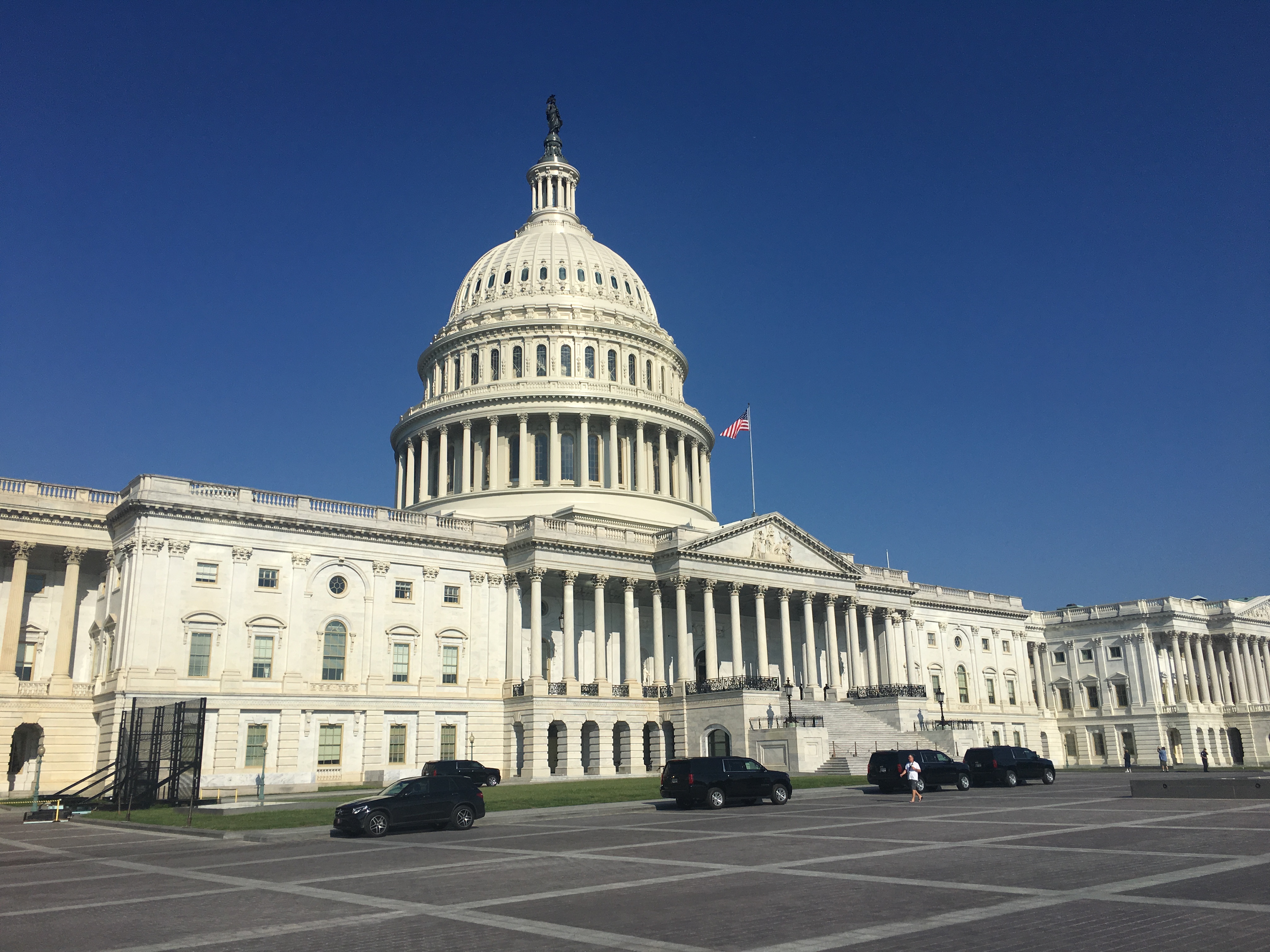
How Congress Works
Congress looks like a marble monument on the outside. On the inside, it runs like a busy workplace with calendars, managers, deadlines, and constant negotiations. The Constitution sets the basic structure in Article I, but the day-to-day reality is built from rules, committees, party leadership,...
Read more →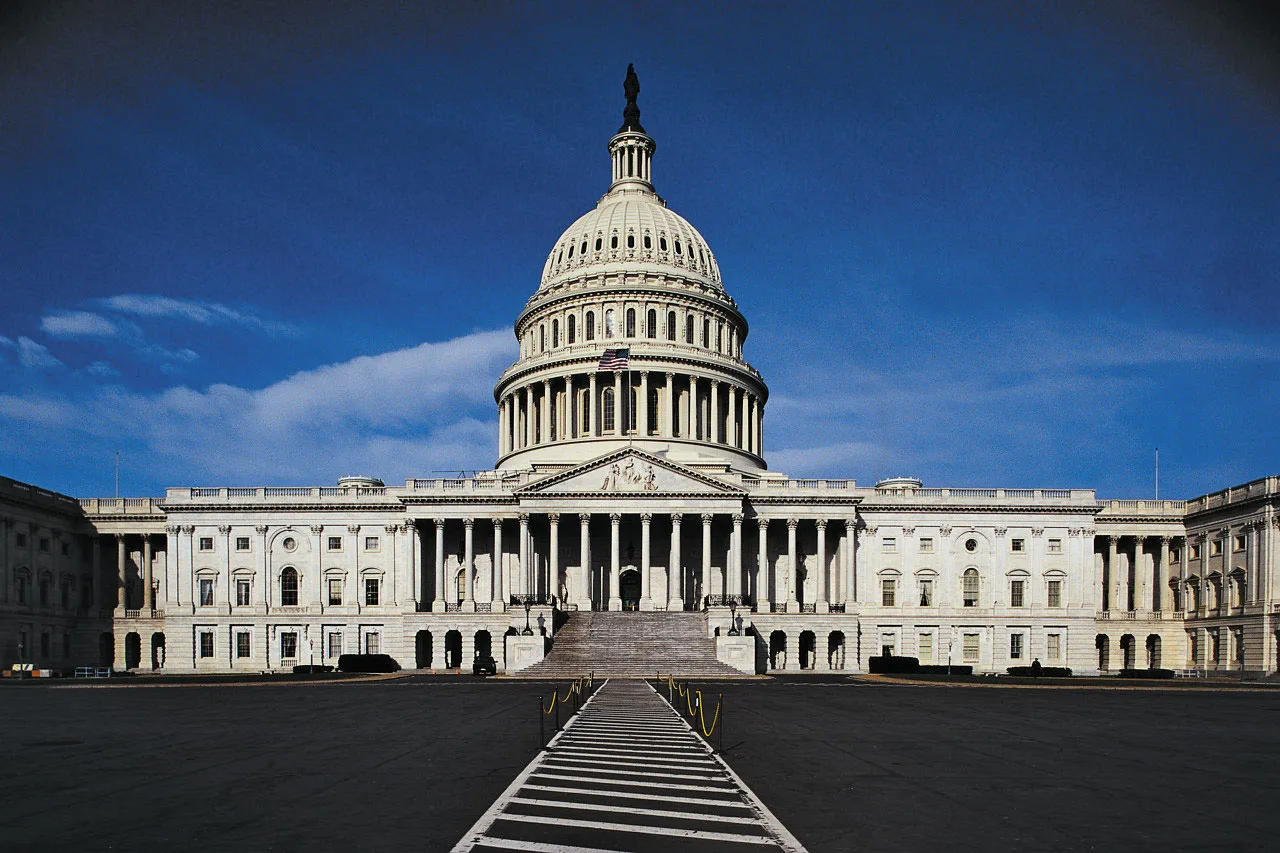
House vs. Senate: Key Differences
Congress has two chambers that do the same job in very different ways. The House of Representatives is built for speed, population, and political responsiveness. The Senate is built for stability, smaller-state influence, and longer-term bargaining. If you have ever wondered why a bill can sail...
Read more →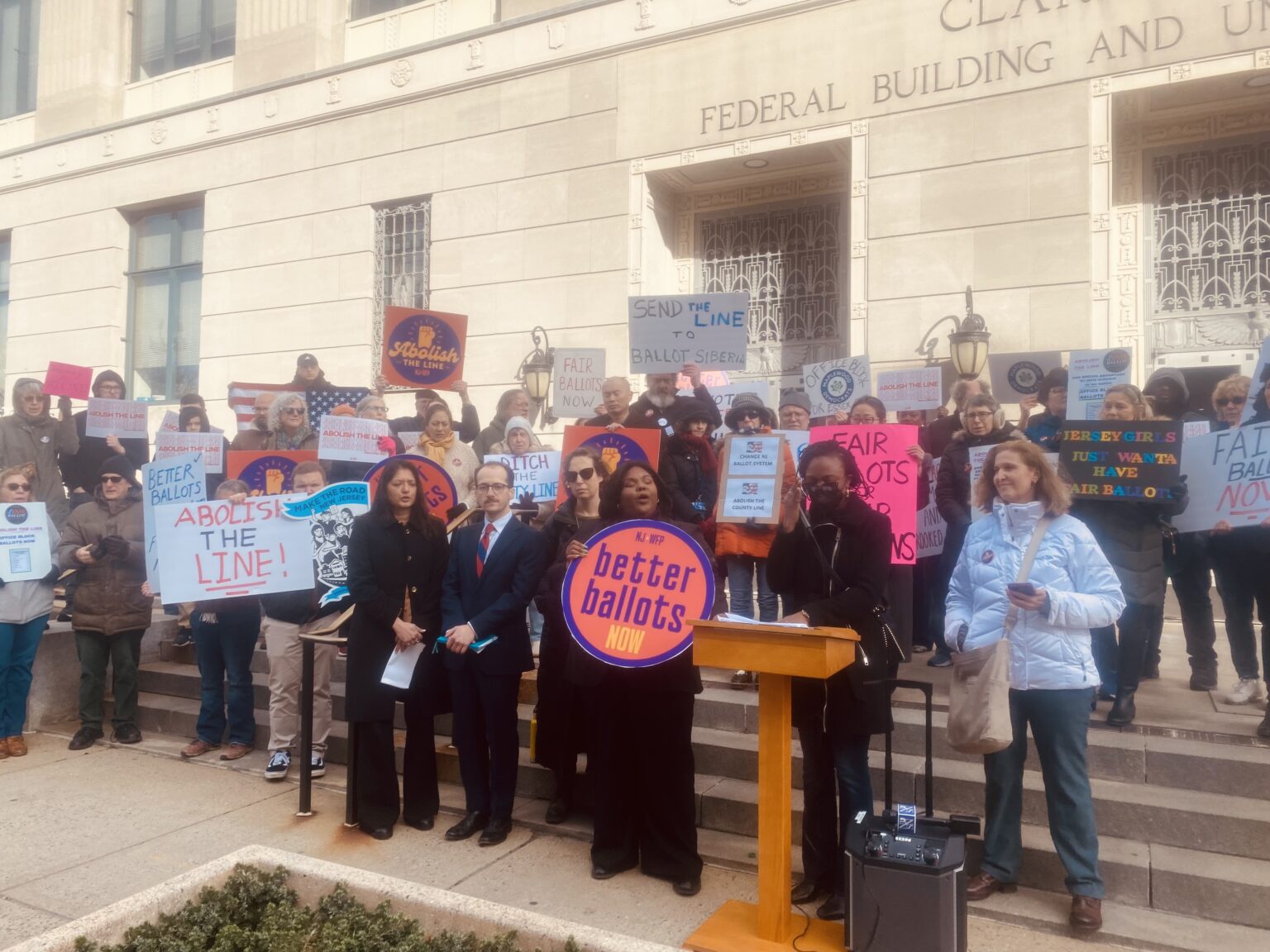
Election Law Fights Headed to Court in 2026
Every midterm election is a civic stress test. In 2026, some of the most consequential arguments may unfold away from rallies and debates, in courtrooms, where voting rules are often contested. Because the details differ by state and by lawsuit, what follows is not a recap of any single docket. It...
Read more →
ICE at the Airports Is a Dry Run for the Midterms
When federal immigration agents start showing up where ordinary civic life happens, the question is rarely just why they are there. The question is what we are being trained to accept. Democracy lawyer Ian Bassin, a co-founder of Protect Democracy, has been blunt about what he thinks is happening:...
Read more →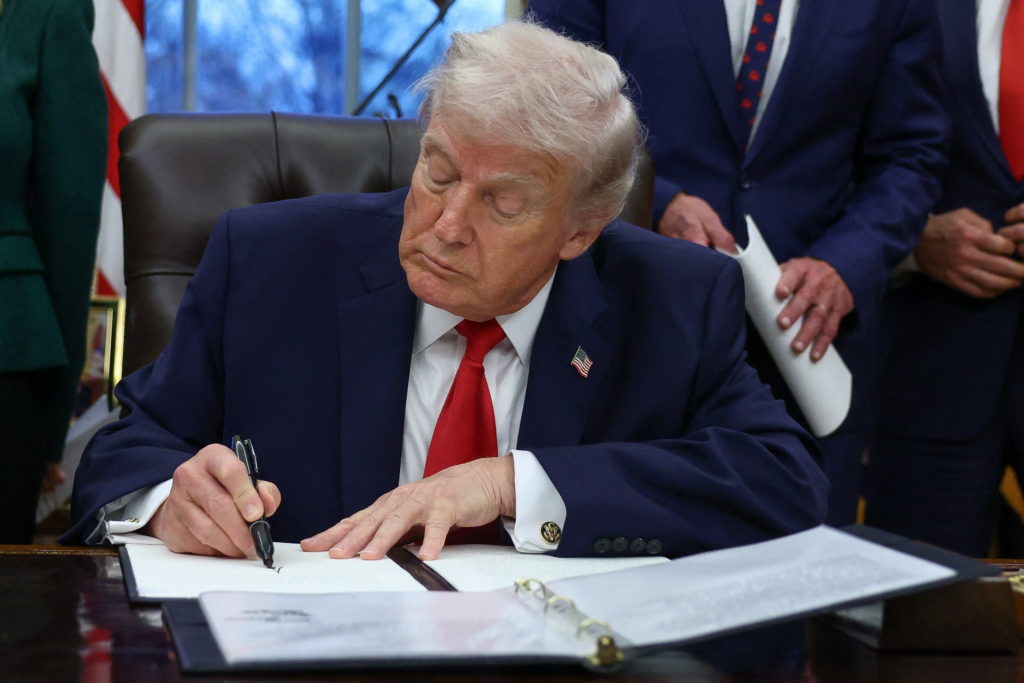
Elk v. Wilkins and the New Birthright Citizenship Fight
The Fourteenth Amendment sounds simple until you reach the phrase that does all the work. “All persons born or naturalized in the United States, and subject to the jurisdiction thereof, are citizens of the United States.” For more than a century, Americans have mostly treated that sentence as a...
Read more →Supreme Court Takes Up Trump’s Birthright Citizenship Order
The Supreme Court is about to do something it has largely avoided for generations: squarely decide what the Constitution’s Citizenship Clause requires in the modern immigration era. On Wednesday, the justices will hear arguments over President Donald Trump’s executive order aimed at narrowing...
Read more →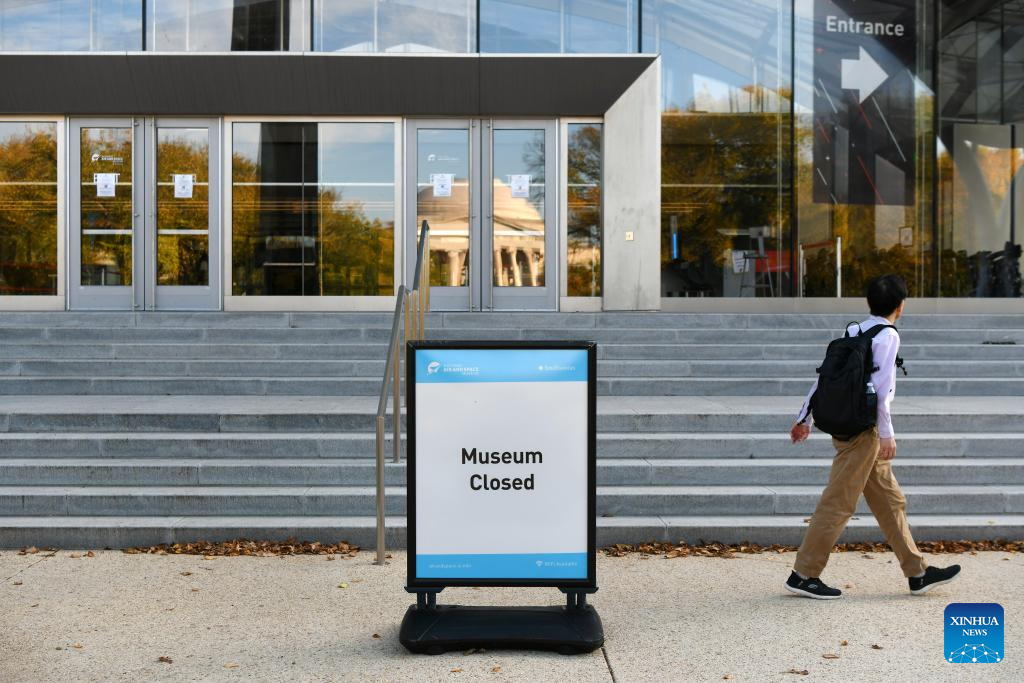
How Government Shutdowns Work
A “government shutdown” sounds like the United States simply turns the lights off. That is not how the Constitution designed the federal government to function, and it is not how modern budgeting actually works. A shutdown is really a legal event: at a certain moment, some parts of the federal...
Read more →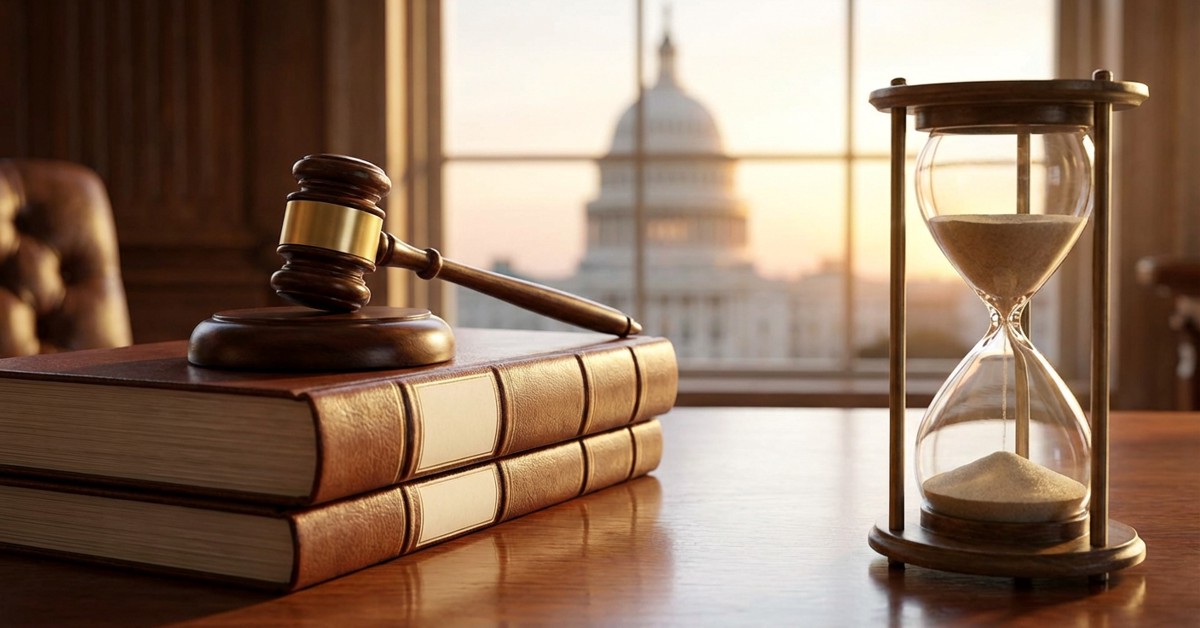
Continuing Resolutions Explained
Every fall, Washington runs into the same cliff. The federal fiscal year starts on October 1. Agencies need legal authority to obligate and expend funds on October 1. And in many years in recent decades, Congress does not finish the regular appropriations bills in time. So Congress reaches for a...
Read more →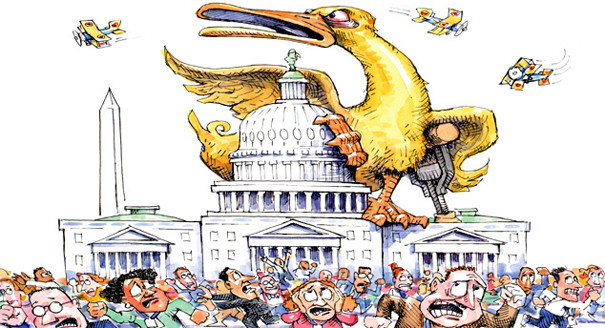
Lame Duck President: What It Means and What They Can Still Do
The morning after Election Day, the losing president does not instantly become powerless. The cameras may pivot to the president-elect, donors may scatter, and party leaders may start talking like the next administration is already here. But constitutionally, the sitting president remains the...
Read more →
What Is a Super PAC and How Does It Work?
Americans tend to talk about money in politics like it is one big, shadowy bucket. But election law does not treat political spending as one thing. It sorts it into categories, draws bright lines between some of them, and then spends the next decade litigating whether those lines still mean...
Read more →
What Is a Lame Duck President (or Congress)?
A lame duck is an elected official who is still in office, but is on the way out. They either lost reelection, chose not to run again, or are term-limited, and everyone in Washington knows their time is expiring. The phrase sounds like a joke, but the situation is real power plus declining...
Read more →
How Small Claims Court Works
Small claims court is the legal system’s fast lane: less formal, cheaper to file, and built for ordinary people who need a judge to settle a money dispute without turning it into a full-blown lawsuit. But “simple” does not mean “automatic.” The court does not investigate your story. The...
Read more →
Expungement and Sealing: Clearing a Criminal Record
A criminal record can follow you like a shadow file. You served the sentence, paid the fines, finished probation, and still get treated like the case is happening right now. Job applications ask about convictions. Landlords run checks. Licensing boards pull reports. Even when you have turned your...
Read more →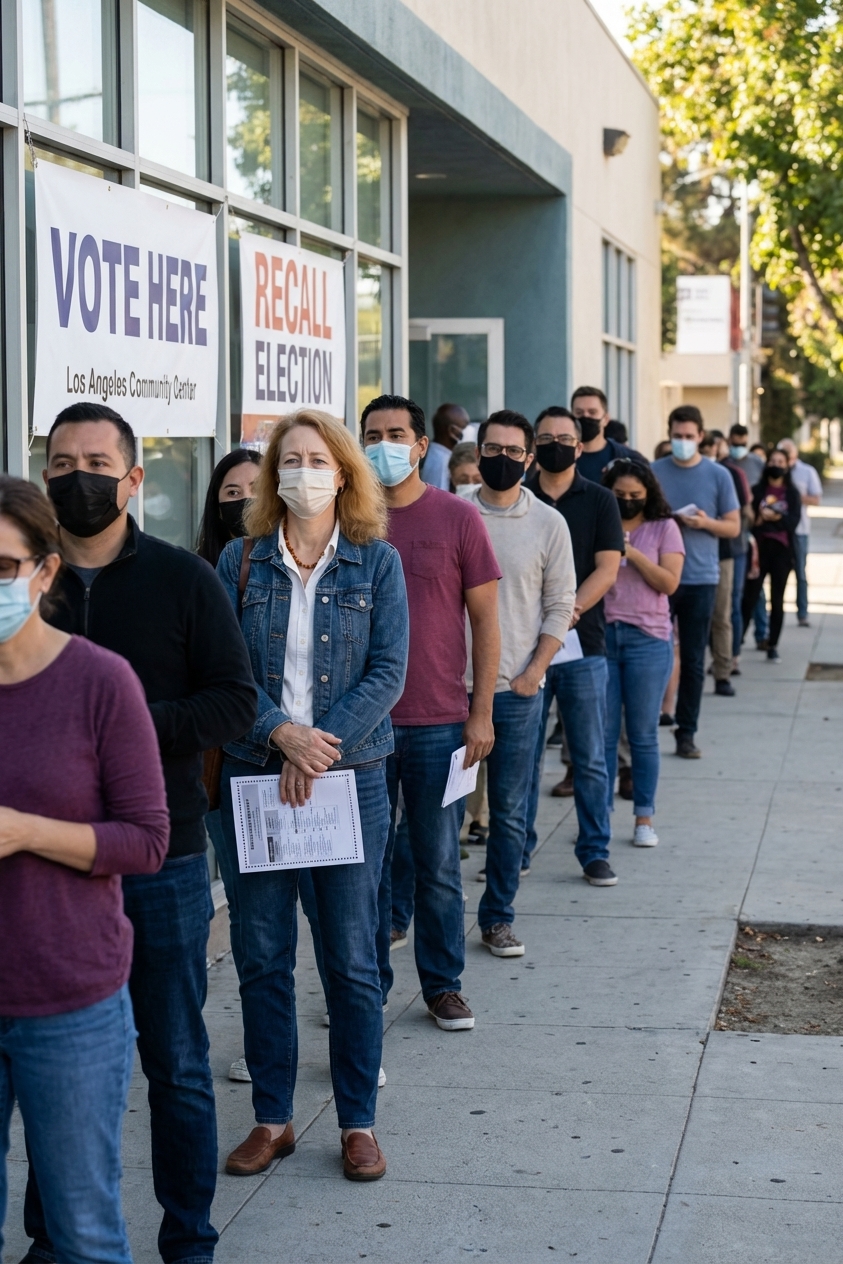
How Does a Recall Election Work?
Recall elections feel like a constitutional pressure valve. A public official wins office in November, and then the public decides it cannot wait until the next November to revisit that choice. But recall is not a federal constitutional feature. It is a state-created tool, governed primarily by...
Read more →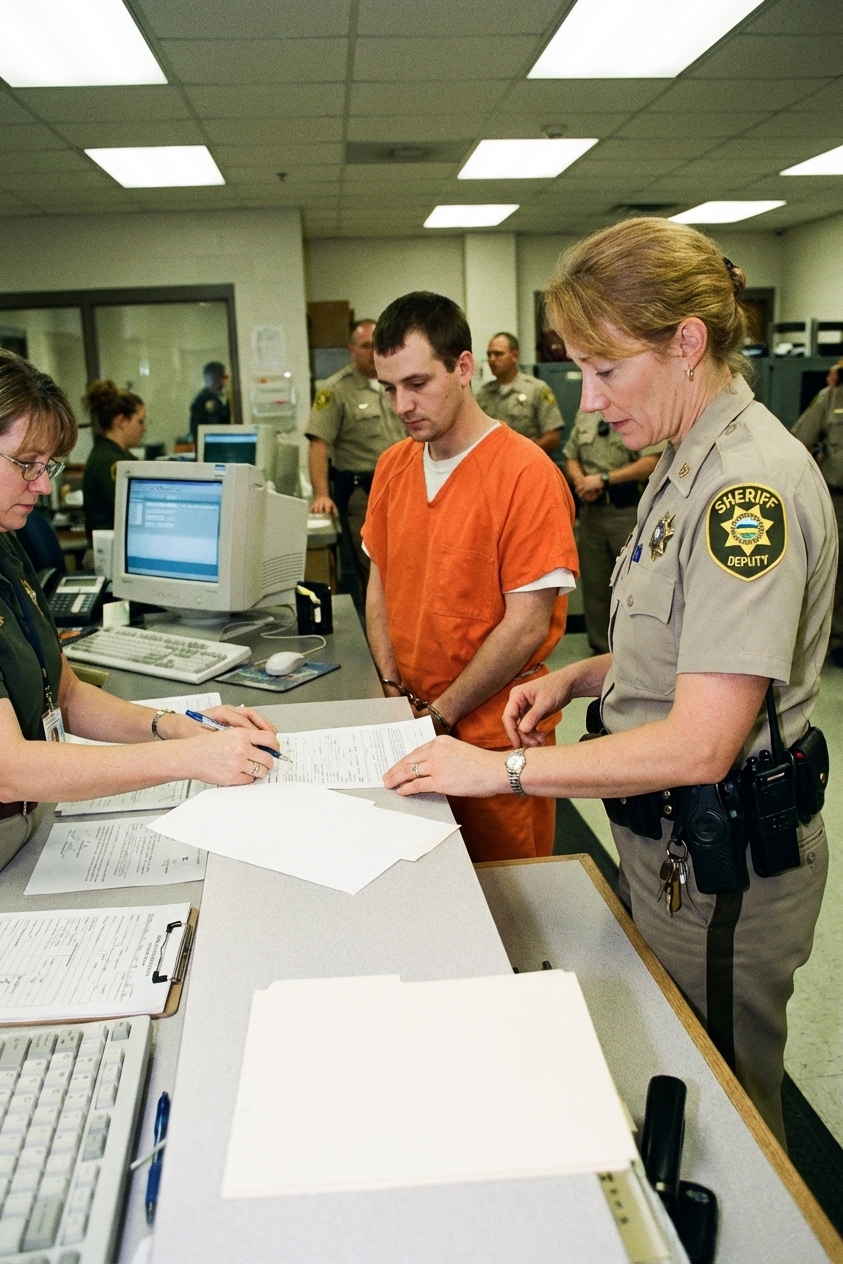
How Bail Works in the United States
Bail is supposed to answer a deceptively simple question: while a criminal case is pending, does the government have to keep you in jail to make sure you show up to court and keep the community safe? Most people think bail is the price of freedom. Legally, it is closer to a promise backed by money...
Read more →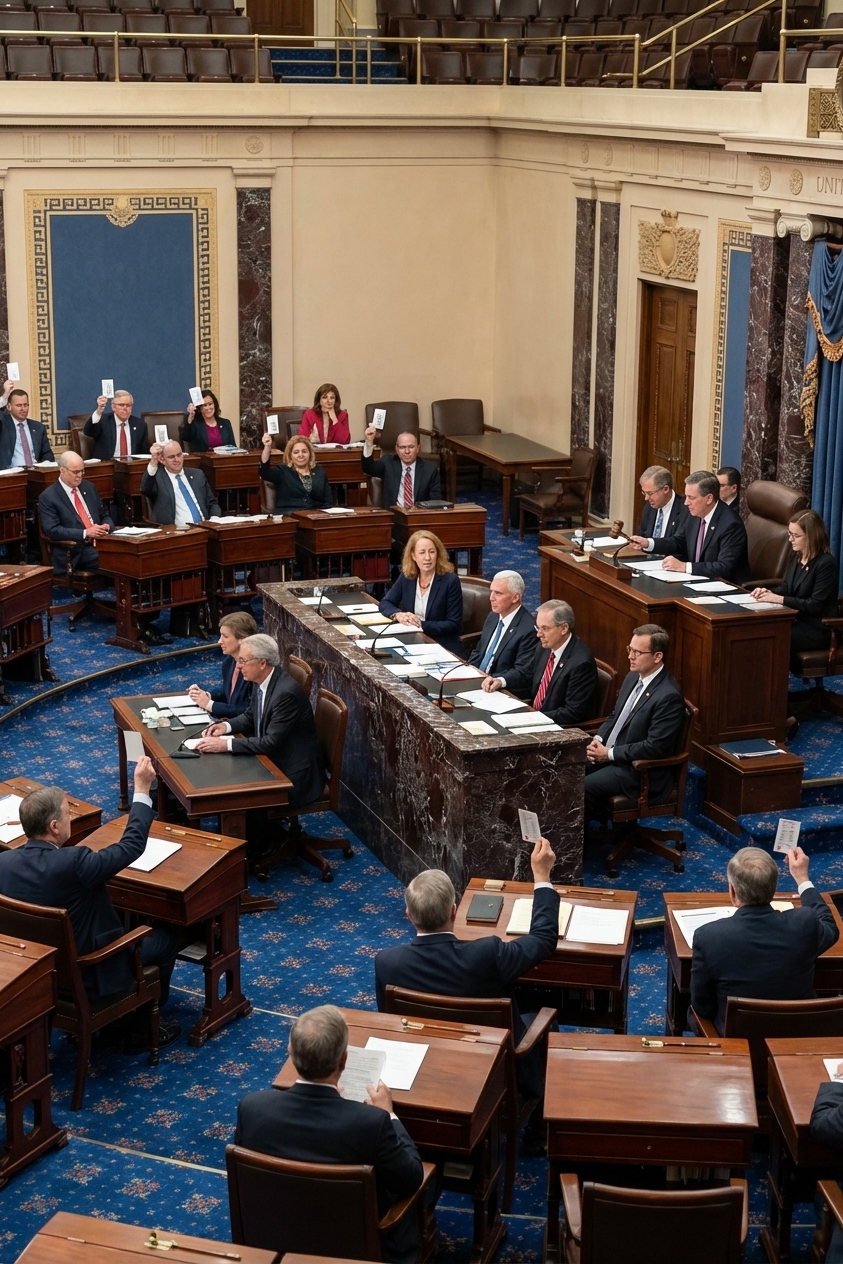
Budget Reconciliation Explained
In the Senate, most big fights eventually run into the same math problem: 60 votes. That is the practical threshold for ending debate on most contested legislation because of the filibuster and the cloture vote used to end debate. Budget reconciliation is the workaround Congress created for certain...
Read more →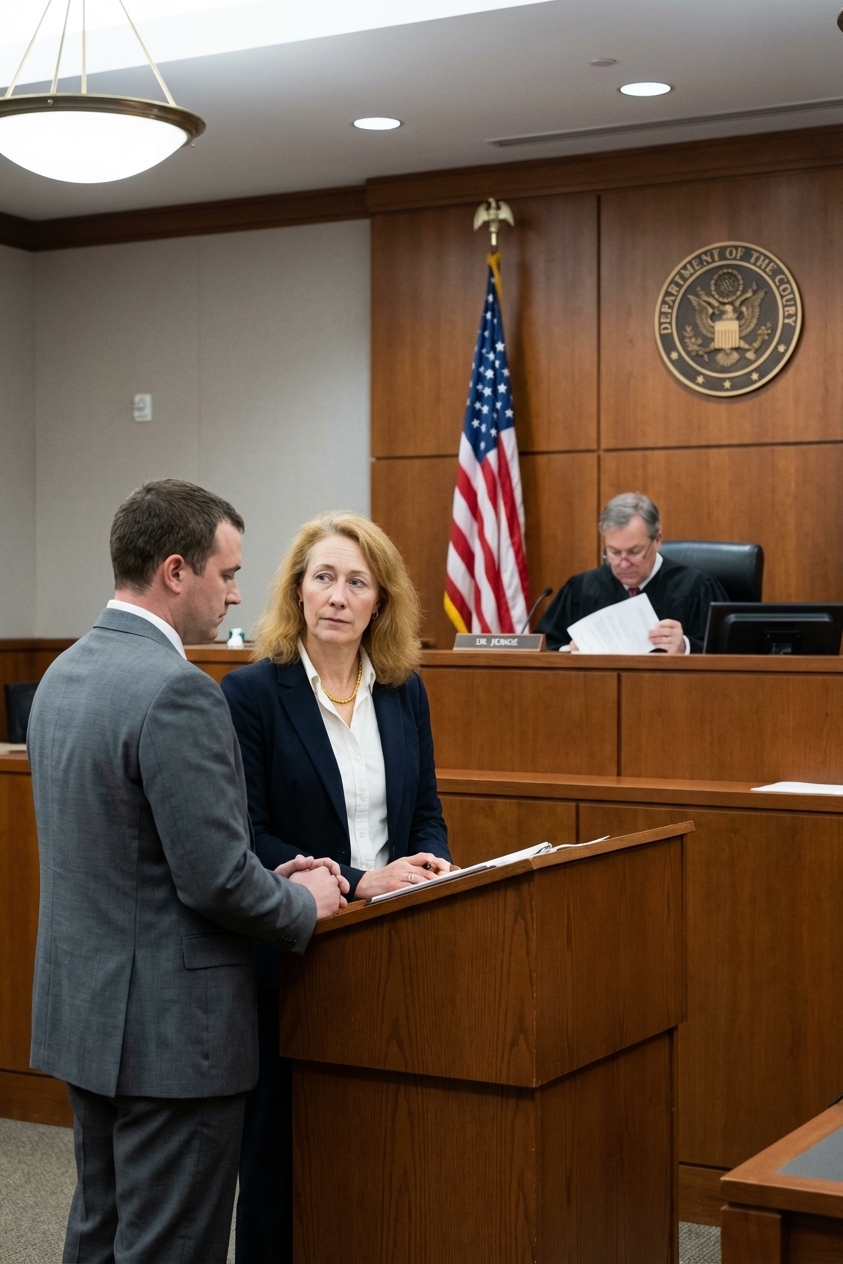
What Is a Plea Bargain and How Does It Work?
You have a constitutional right to a trial. Everyone knows that. Except most criminal cases never reach one. They end with a deal, negotiated in conference rooms and courthouse hallways, then entered on the record in a short court hearing. That deal is a plea bargain , and it is not a side feature...
Read more →
The Hatch Act: What It Is and Who It Applies To
The Hatch Act is the federal government’s attempt to answer a deceptively simple question: How do you run a democracy when the people who administer the government also have political opinions, political friends, and political ambitions? Congress’s answer, first enacted in 1939, was not “ban...
Read more →