
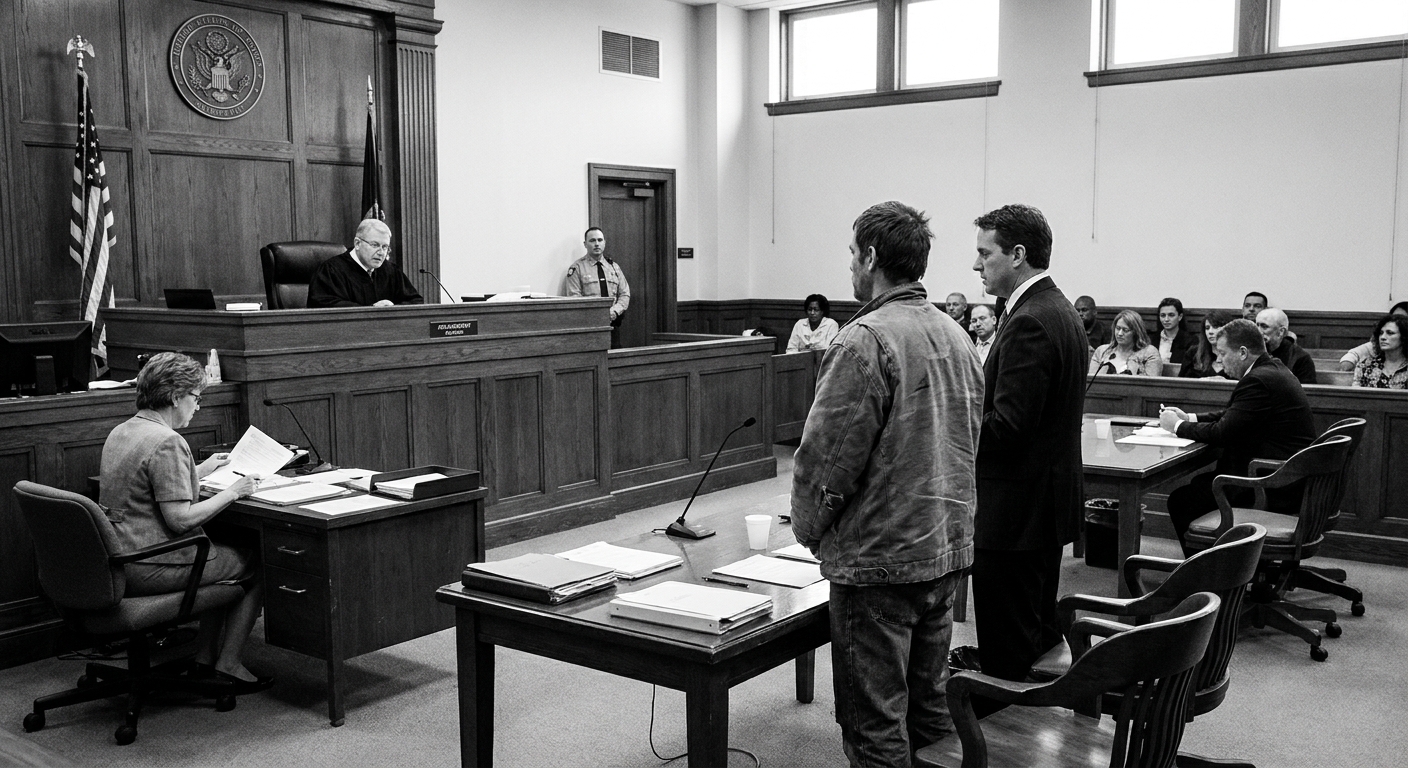
You can feel it in the word itself: arraignment sounds like a switch flipping from the messy world of arrests into the formal world of court. That is essentially what it is. An arraignment hearing is a defendant’s first formal court hearing on the charge, and in many places it is also the first time the defendant appears before a judge after being arrested, booked, or summoned. In other jurisdictions, a separate “initial” or “first appearance” happens first, with arraignment (and the plea) later.
It is not a trial. It is not where guilt is decided. It is an early checkpoint where the court confirms who you are, what you are accused of, what your rights are, and whether you will wait for the next stage at home or in custody.
Join the Discussion
What an arraignment is
An arraignment is a court hearing where:
- the court formally states the criminal charges,
- the judge confirms the defendant understands key constitutional rights,
- the court addresses release conditions (bail or other terms), and
- the defendant typically enters an initial plea (often not guilty).
In many jurisdictions, arraignment happens quickly when someone is in custody, often within 24 to 72 hours, depending on local rules, weekends and holidays, and whether the arrest was with or without a warrant. When someone is not arrested and receives a citation or summons, arraignment may happen weeks later on a scheduled date.
Why it matters
The Constitution does not use the word “arraignment,” but the hearing sits at the crossroads of several constitutional protections.
Due process
The Fifth and Fourteenth Amendments protect against deprivation of liberty without due process. Arraignment is one way the justice system turns an accusation into a court case with notice, oversight, and enforceable rules, rather than leaving detention to drift forward without a judge’s review.
Right to counsel
The Sixth Amendment guarantees the right to assistance of counsel in criminal prosecutions. In many places, arraignment or an earlier initial appearance is where counsel is appointed for eligible defendants, or where the court confirms the defendant has retained a lawyer. If a person is unrepresented, judges often give basic warnings about the risks of proceeding without counsel.
Bail and pretrial liberty
The Eighth Amendment prohibits excessive bail. That does not mean everyone has a right to bail in every case, since preventive detention exists in some circumstances. At the same time, many state constitutions and statutes provide broader or more specific bail rights than federal practice. Arraignment is often when bail is set, reviewed, or replaced with other conditions of release.
Notice of the accusation
The Sixth Amendment also protects the right “to be informed of the nature and cause of the accusation.” Arraignment is the moment when the system puts the charge on the record and fixes what the state is actually alleging.
What happens at an arraignment
Procedures vary by state and by court, but an arraignment commonly includes these steps:
1) The judge calls the case and confirms identity
The court confirms the defendant’s name and basic identifying information. This sounds routine, but it is a safeguard. Court orders, bail terms, and future dates attach to a person, not just to a police report.
2) The charges are read or summarized
The judge or clerk states the charges and the level of the offense (misdemeanor or felony). In many busy courts, the reading is brief because the charging document has already been filed and provided. Still, the arraignment is the official notice: this is what the state says you did.
3) Rights are explained
Courts typically advise defendants of core rights, including the right to counsel and the right to a trial. Many courts also advise, or remind, defendants about the right to remain silent and the risks of speaking about the facts of the case in open court. The details may be provided verbally, in a written advisement, or both.
4) Bail and release conditions are addressed
If bail has not been set, the judge may set it. If bail was set by a schedule or at an earlier appearance, the judge may review it. A bail schedule is a preset list of amounts tied to common charges, and judges can often adjust up or down based on the case.
The court can also impose conditions like:
- no contact orders (for example, no calls, texts, DMs, or third-party messages to the alleged victim),
- travel limits,
- drug testing or treatment requirements,
- surrender of firearms in certain cases,
- electronic monitoring, or
- regular check-ins with pretrial services.
These conditions are not supposed to be punishment. They are meant to manage risk and ensure the defendant returns to court. But in practice, they can reshape daily life immediately, which is why arraignment can matter more than it sounds.
5) The defendant enters a plea
At arraignment, defendants commonly plead not guilty as the default starting point, even in cases that later resolve by plea agreement. Depending on the court and the charge, a defendant may also be able to plead guilty or no contest (nolo contendere). In some jurisdictions, a defendant can “stand mute” and the court enters a not guilty plea on their behalf. Defendants should be cautious about pleading guilty before reviewing evidence or consulting counsel.
6) The court sets next steps
The judge sets future dates such as a pretrial conference, motion hearings, or a preliminary hearing (in felony cases where used or required). The court may also enter orders about discovery, representation, and protective orders.
7) Paperwork and instructions
Defendants often receive, or are told how to get, copies of key documents, such as the complaint, information, or indictment, written release conditions, and the next court date. It is worth confirming you have the correct paperwork before you leave, because missed dates and misunderstood conditions can turn into new problems fast.
8) Interpreters and accessibility
If you need an interpreter or an accommodation for a disability, tell the court as early as possible. Courts commonly provide language access and other accommodations, but they may need notice to coordinate it.
Arraignment vs. other early hearings
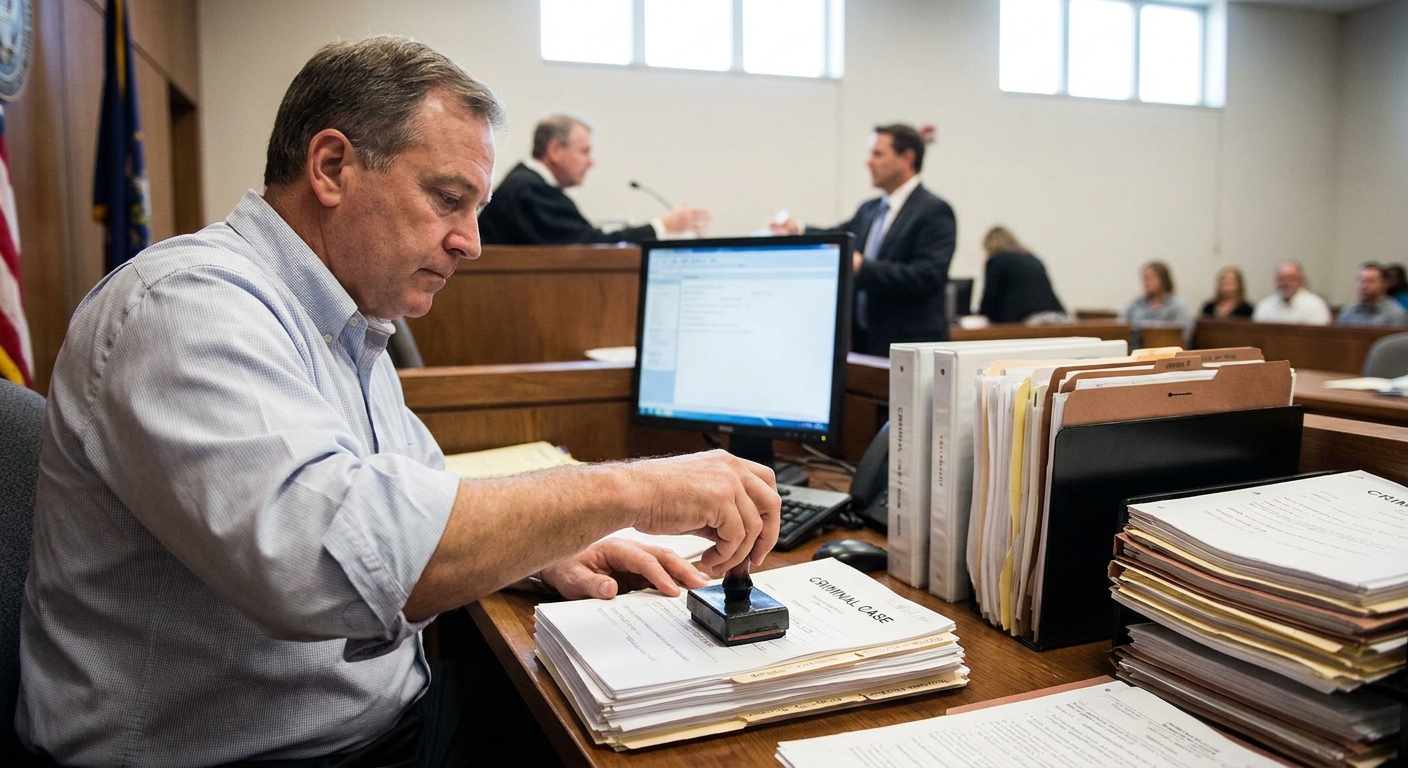
People often use “arraignment” to mean any first appearance, but different hearings can happen early in a case.
Arraignment vs. first appearance
In some jurisdictions, the first hearing after arrest is called a first appearance or initial appearance and focuses heavily on counsel and release conditions. The formal arraignment, with the plea, may happen later. In other places, the first appearance and arraignment are combined.
Arraignment vs. preliminary hearing
A preliminary hearing (in some felony cases, and in others unless the case proceeds by indictment or information) is where a judge decides whether there is probable cause to believe a crime was committed and the defendant committed it. It can involve witnesses and cross examination. Arraignment is usually much shorter and does not test the evidence in that way.
Arraignment vs. indictment
An indictment is a charging document returned by a grand jury. It is tied to the Fifth Amendment grand jury requirement for federal felony prosecutions, and some states use grand juries as well. You can be arraigned on an indictment, but the indictment is the charge. The arraignment is the hearing where the court formally presents it and takes a plea.
Where arraignment happens in felony cases
For felony charges, an arraignment can happen in different courts depending on the state and the charging path. Some jurisdictions start in a lower court and later re-arraign in a higher trial court after an indictment or information is filed.
What judges consider for bail
Bail practices vary widely, but judges commonly consider factors like:
- risk of flight (whether the person will return to court),
- public safety concerns,
- the seriousness of the alleged offense,
- prior failures to appear,
- prior criminal history,
- ties to the community (work, family, housing), and
- any alleged threats to witnesses or victims.
Some states have moved toward risk assessments or expanded pretrial release. Others rely more on bail schedules. Either way, arraignment is often the moment when “innocent until proven guilty” collides with a practical question: Where does the defendant sleep tonight?

Can a case end at arraignment?
Sometimes, yes, but it depends on the charge and the court:
- Minor misdemeanors may resolve quickly if the defendant chooses to plead guilty or no contest and the judge accepts it.
- Dismissals can happen, but they are not the norm at arraignment. More often, if the prosecutor is not ready or paperwork is incomplete, the case is continued or reset rather than dismissed.
- Diversion or deferred prosecution is sometimes offered early, but more commonly after counsel has reviewed the case.
Most of the time, arraignment is the beginning of the court process, not the end.
What to expect as a defendant
Every jurisdiction has its own rhythm, but these expectations are fairly universal:
- It is usually brief. Many arraignments take only a few minutes.
- You may be in a group calendar. Courts often process many cases in a single session.
- You will be asked about counsel. If you cannot afford an attorney, ask about appointment procedures.
- Do not treat it as informal. What happens at arraignment can shape release conditions, no contact orders, and the pace of the case.
- Listen carefully. Future dates and conditions can be easy to miss and hard to undo.
Important: This page provides general educational information, not legal advice. If you have a pending case, a licensed attorney in your jurisdiction is the best source of guidance.
Common questions
Do you have to speak at an arraignment?
You may only need to answer basic questions and enter a plea. Defendants should be careful about volunteering facts. The right to remain silent exists for a reason, and arraignment is not designed for explaining your side of the story.
Is an arraignment public?
Usually, yes. Criminal court proceedings are typically public, with limited exceptions. That openness is tied to long standing principles of transparent justice.
Will the prosecutor offer a deal at arraignment?
Sometimes, especially for low-level charges, but many offers come later after discovery is exchanged and counsel has time to evaluate the evidence.
What happens if you miss your arraignment?
Courts often issue a bench warrant for failure to appear, and missing the hearing can make release conditions worse later. If someone misses a date because of a genuine emergency, they should contact counsel or the court immediately.
The bigger picture
The Founders argued endlessly about power that could be exercised in darkness. An arraignment is one of the system’s ways of forcing the state to speak clearly, on the record, in front of a judge: Here is the charge. Here are the rules. Here is what happens next.
That does not guarantee fairness. It does not equal justice by itself. But it is a moment when an accusation stops being a police event and becomes a constitutional process.