
A federal appeals court just gave the Trump administration a short-term victory in a fight that is quickly turning into a constitutional stress test: how much process the government must provide before it sends a noncitizen to a country they are not from.
On Wednesday, the U.S. Court of Appeals for the First Circuit granted the administration’s request to pause a lower court order that would have blocked deportations to so-called “third countries.” The pause arrived only hours before that lower court order was set to take effect.
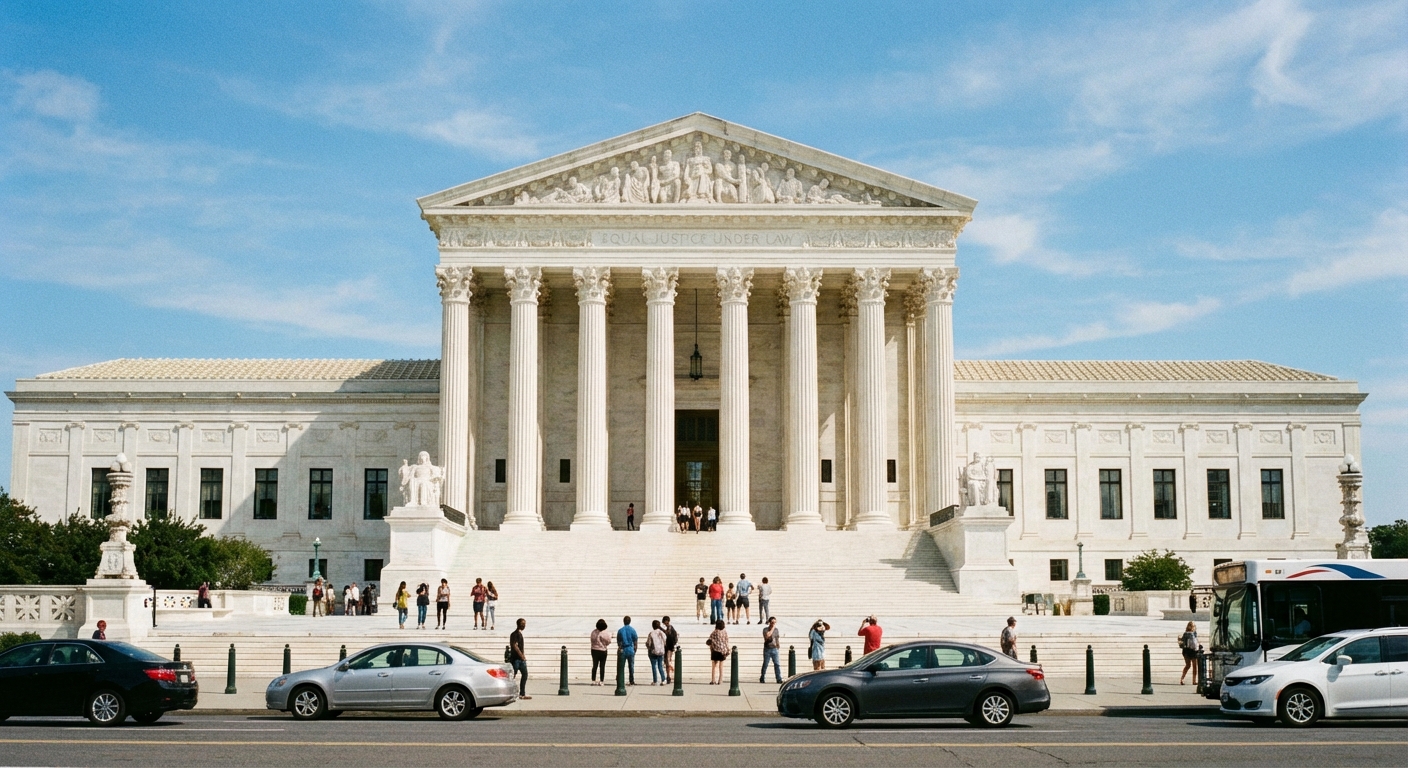
What the lower court required
The order now on hold came from U.S. District Judge Brian Murphy, who issued an 81-page decision last month concluding that the Department of Homeland Security’s third-country removal process was unlawful and violated due process protections under the U.S. Constitution.
In plain terms, Murphy’s ruling would have required the government to follow a sequence before removing someone to a third country:
First attempt removal to the person’s home country, or to a country already designated by an immigration judge.
Only then allow third-country removal, but only after “meaningful notice.”
Provide an opportunity to raise fear of persecution in the newly identified country through a “reasonable fear” interview process.
Murphy framed the core problem as one of information and timing. In his words, the policy “fails to satisfy due process for a raft of reasons, not least of which is that nobody really knows anything about these purported ‘assurances.’”
Murphy stayed his ruling from taking effect for 15 days to give the administration time to appeal. Without intervention from the appeals court, the order was slated to take force on Thursday.
Why the pause matters
The First Circuit’s move does not end the case. It temporarily halts Murphy’s order while the legal fight continues. But that is enough to change the near-term reality: the administration avoids an immediate judicial stop that would have reshaped ongoing removals and diplomatic arrangements.
Trump administration lawyers argued that Murphy’s approach created an “unworkable scheme,” warning it could disrupt sensitive negotiations with outside countries and potentially affect up to “thousands” of planned deportations.
They also told the appeals court that Murphy’s ruling conflicted with two prior Supreme Court emergency stays last year that had allowed the administration to continue its deportation policy, for now.
The constitutional issue
Deportation fights often get framed as a tug-of-war between border enforcement and humanitarian concern. But the procedural question here is constitutional: what does due process require when the government changes the destination country at the end of the removal pipeline.
“Due process” is not a policy preference. It is a constitutional command. The harder part is that the Constitution does not come with a checklist spelling out exactly what notice and a hearing must look like in every immigration setting.
That is why cases like this tend to turn on whether procedures are meaningful given what is at stake. Here, as Murphy emphasized through the “reasonable fear” framework, what is at stake is the risk of being sent to a place where a person claims they could face persecution or torture.
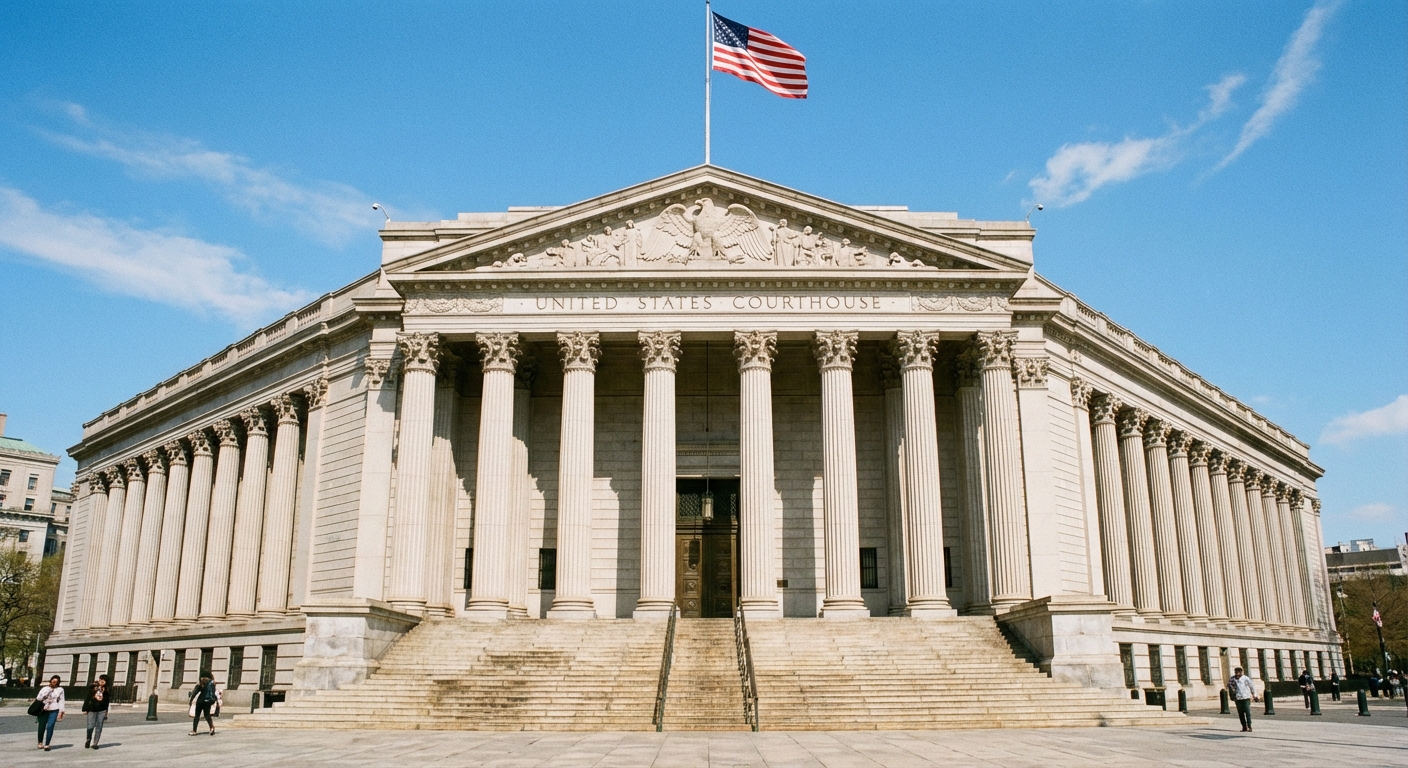
South Sudan and compliance
This case has also been fueled by a separate, escalating conflict over compliance. Murphy has been overseeing a class-action challenge involving removals to third countries including South Sudan, El Salvador, and both Costa Rica and Guatemala. The Trump administration has reportedly eyed Costa Rica and Guatemala as part of its ongoing wave of deportations.
In May, Murphy accused the administration of failing to comply with a court order requiring it to keep in U.S. custody six migrants who were deported to South Sudan without due process or notice.
Murphy previously ordered that the migrants remain in U.S. custody at a military base in Djibouti until each received a “reasonable fear interview,” giving them a chance to explain to U.S. officials any fear of persecution or torture should they be released into South Sudanese custody.
The administration has highlighted the criminal histories of some individuals involved, and DHS officials have claimed an “undisputed authority” to deport criminal illegal migrants to third countries that have agreed to accept them. Former Assistant Secretary Tricia McLaughlin criticized “activist judges” in June after the Supreme Court temporarily permitted the policy to continue amid legal challenges, warning that otherwise “aliens who are so uniquely barbaric that their own countries won’t take them back, including convicted murderers, child rapists and drug traffickers, would walk free on American streets.”
Murphy acknowledged the criminal histories as well, after Trump officials blasted the individuals removed as the “worst of the worst.” “The court recognizes that the class members at issue here have criminal histories,” Murphy wrote in an order last year. “But that does not change due process.”
Supreme Court review ahead
The procedural posture already points upward, and senior Trump administration officials acknowledged earlier this year that the dispute is all but certain to be punted to the Supreme Court for a full review on its merits.
That matters because the Supreme Court has recently used emergency orders, not full opinions, to control the immediate direction of immigration policy. Emergency stays can keep a policy alive without resolving the deeper question of whether it is lawful. A merits decision, by contrast, tends to set rules that last longer than a news cycle.
If the Court takes the case, it will not just be deciding a technical point about removal logistics. It will be weighing a foundational question: when the government changes the destination, does the Constitution require a meaningful opportunity to object before the removal happens.