
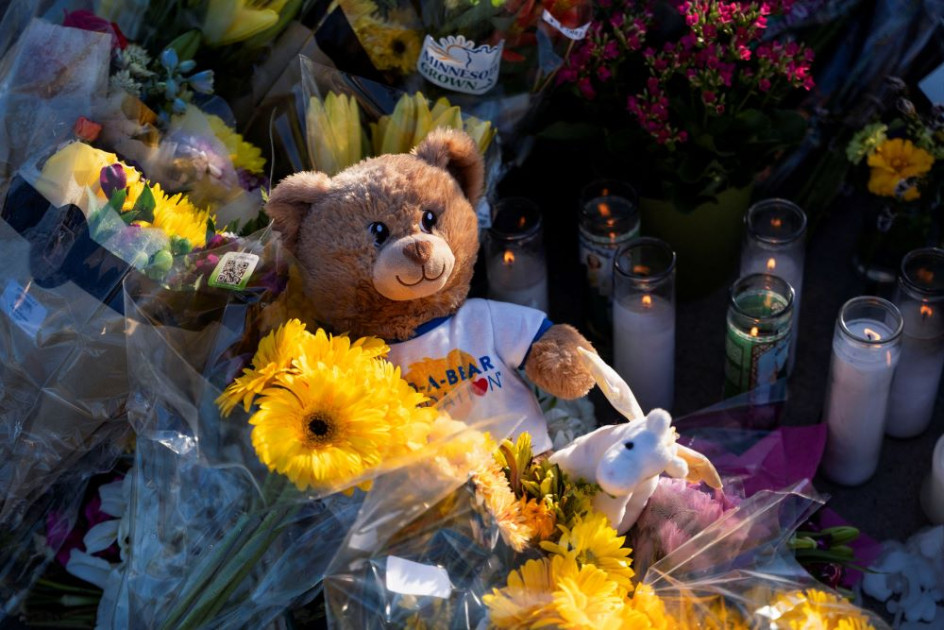
In the agonizing days following the murder of two children at a Minneapolis Catholic school, a grieving nation is once again asking its most difficult question: Why does this keep happening?
The search for answers has ignited a familiar and deeply fractured debate.
But this time, the Trump administration is signaling a sharp turn away from the traditional gun control debate. Instead, it is launching a controversial investigation into the underlying causes of violence itself – from the nation’s mental health crisis to the prescription drugs our children are taking.
At a Glance: The Aftermath of a Tragedy
- What’s Happening: In the wake of the deadly Minneapolis Catholic school shooting, a fierce national debate has erupted over how to prevent future tragedies.
- The Administration’s Focus: The White House and HHS Secretary Robert F. Kennedy Jr. are launching an investigation into the root causes of violence, specifically looking at mental health and potential links between prescription drugs and violent acts.
- The Competing Views: Gun rights advocates are calling for an end to “gun-free zones,” while Democrats are demanding new gun control laws to remove “weapons of war.”
- The Constitutional Issue: The tragedy forces a direct confrontation between America’s most deeply held and conflicting constitutional principles: the Second Amendment’s right to bear arms and the First Amendment’s right to freely exercise religion in safety.
A Search for a Deeper Cause
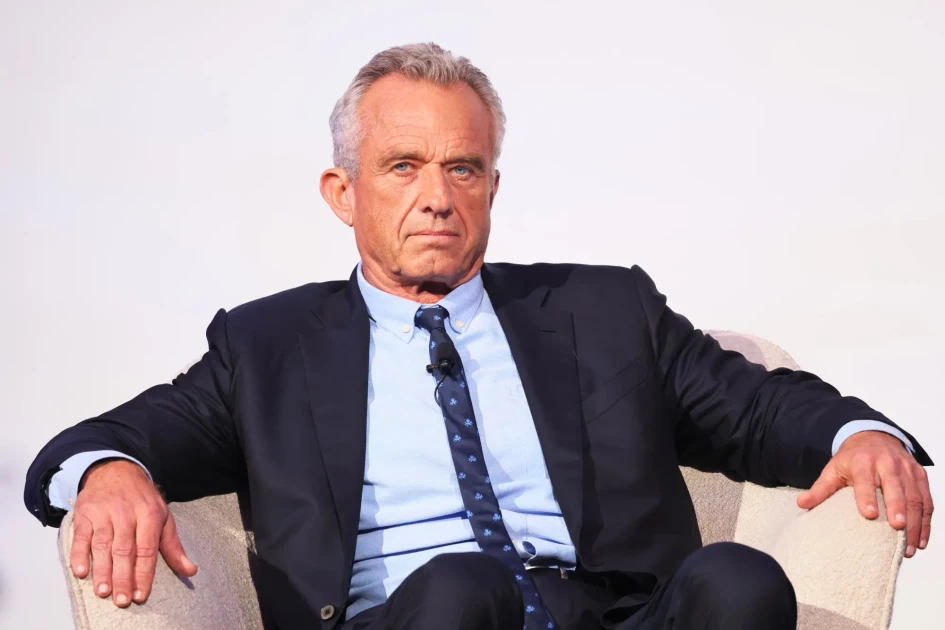
Leading the administration’s response is Health and Human Services Secretary Robert F. Kennedy Jr. In an interview Thursday, he framed the problem of mass violence as a modern sickness largely unique to America.
“This kind of violence is very recent. It’s a new thing in human history… It’s not really happening in other countries. It’s happening here, and we need to look at all of the potential culprits that might be contributing to that.” – HHS Secretary Robert F. Kennedy Jr.
The White House confirmed that HHS is now investigating potential links between certain prescription drugs and the rise in violence. Conservative groups have amplified this, pointing to drugs like SSRIs and puberty blockers as potential sources of mental instability. This focus on the shooter’s mind and motivations represents a deliberate shift away from the tool they used.
The Two Sides of the Second Amendment
The tragedy has, as always, thrown the Second Amendment into the center of the national conversation. The debate immediately split into two deeply entrenched and opposing viewpoints, each claiming to offer the true path to safety.
The Gun Control Argument: Led by Democratic leaders like Chuck Schumer and Hakeem Jeffries, this side argues that the problem is the easy access to firearms, particularly “weapons of war.” They are demanding new federal gun control legislation, which they contend is a permissible and necessary regulation under the Second Amendment to ensure public safety.
The Gun Rights Argument: Voiced by experts like John Lott of the Crime Prevention Research Center, this side argues that the problem is not the gun, but the vulnerability of the target. They contend that shooters are drawn to “soft targets” like “gun-free” school zones where they can achieve maximum carnage without resistance. The solution, they argue, is to “harden” these targets by empowering law-abiding citizens to be armed for self-defense, which they see as the core purpose of the Second Amendment.
“This is the intractable heart of the American gun debate: one side believes safety is achieved by limiting access to firearms, while the other believes safety is achieved by expanding it.”
An Attack on a Sanctuary
Complicating the debate is the nature of the target. The FBI has announced it is investigating the shooting as both an act of domestic terrorism and a “hate crime targeting Catholics.”
This frames the attack as more than just a school shooting; it was an assault on a house of worship during a religious service. This strikes at the heart of the First Amendment’s Free Exercise Clause, which guarantees the right of all Americans to practice their faith in peace and safety. The shooting was a violent violation of this fundamental constitutional freedom.
A Nation at a Crossroads
The horror in Minneapolis has exposed the deep, almost irreconcilable, divisions in how Americans approach the problem of mass violence.
The administration is pursuing a path focused on the killer’s mind and motivations. Congress is locked in a familiar and bitter stalemate over the weapon itself.
As the nation grieves, it is also trapped at a constitutional and cultural crossroads. The search for a solution to this uniquely American horror continues, but a consensus on how to balance the fundamental rights to worship safely and to bear arms remains as elusive as ever.