
Faced with a staggering backlog of over three million cases, the Department of Justice has announced a seemingly logical plan: bring in temporary judges to help clear the docket. But a look at the fine print of this new rule reveals a shocking and constitutionally problematic catch.
These new judges will no longer be required to have any experience in immigration law.
This is not a minor administrative tweak. It is a radical change that threatens the very foundation of due process for those in our immigration system. It is the latest development in a long-running constitutional crisis over the fundamental structure and independence of our nation’s immigration courts.
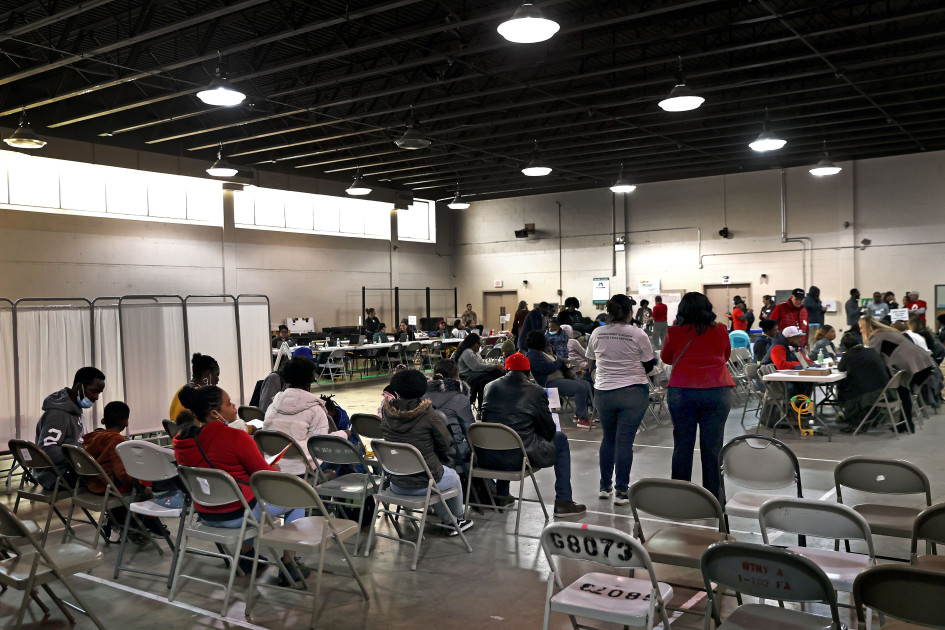
A Constitutional Anomaly: Our Immigration “Courts”
To understand the gravity of this new rule, every American must first understand a surprising and crucial fact. Our immigration courts are not part of the independent judicial branch of government established by Article III of the Constitution.
They are an agency called the Executive Office for Immigration Review (EOIR), which sits entirely within the Department of Justice – a law enforcement agency of the executive branch.
This means that immigration judges are not independent, lifetime-appointed judges like those in our federal courts. They are attorneys who are hired by, and serve at the pleasure of, the Attorney General – the nation’s chief prosecutor.
This creates a profound, structural conflict of interest: the very same government department that is trying to deport a person is also the employer of the judge who will decide their fate.
A Crisis as a Pretext?
The administration’s stated reason for this new rule is the “need for assistance in fairly and efficiently adjudicating immigration cases.” However, this justification must be viewed in its proper context. This new push for “flexibility” in hiring comes just after the same administration fired or forced out more than 100 experienced, career immigration judges earlier this year.
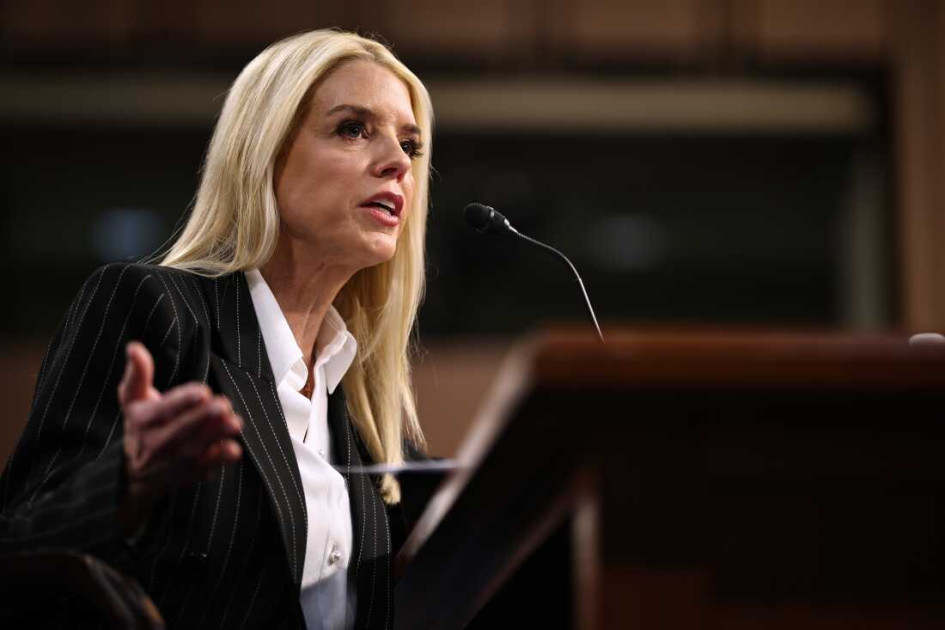
This sequence of events is deeply troubling. It appears to be a deliberate, two-step maneuver. First, create a staffing crisis by removing the existing, experienced judges. Second, use that crisis as a pretext to push through a new rule that allows the administration to rapidly backfill the courts with temporary appointees who may lack legal expertise but are more aligned with the administration’s enforcement-heavy agenda.
The Threat to Due Process
This new rule is a direct threat to the Fifth Amendment’s guarantee of due process of law. A fair hearing before a competent and impartial judge is the bedrock of our entire justice system.
Immigration law is famously complex, second only to the U.S. tax code in its intricacy. The life-or-death decisions made in asylum and deportation cases require a deep understanding of this complex web of statutes, regulations, and international treaties.
To allow a judge with zero experience in this area to preside over these cases is to create a system designed for speed and deportation quotas, not for justice.
The administration’s new rule, while presented as a common-sense solution to a backlog, is a dangerous and cynical maneuver. It further erodes the already fragile independence and expertise of our immigration courts. It replaces the ideal of an expert jurist with that of a temporary, inexperienced appointee who is beholden to the political agenda of the Attorney General who hired them. This is not a step toward efficiency; it is a step away from the constitutional promise of due process.