
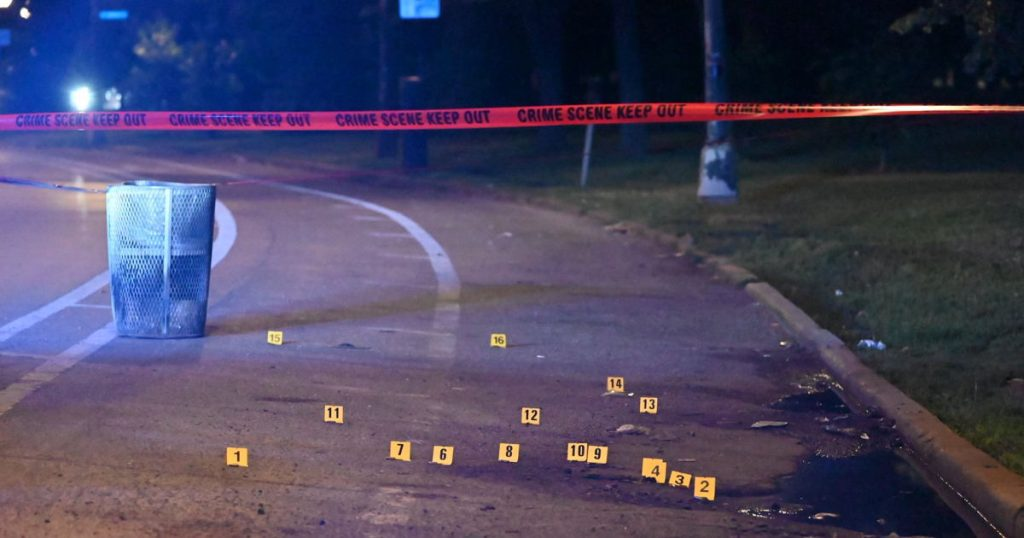
After another weekend of tragic violence that saw six people killed, including a five-year-old boy, a desperate and constitutionally dangerous cry is rising from some corners of Chicago. Frustrated with the relentless crime, some residents are now openly welcoming President Trump’s threat to send federal forces into their city to restore order.
This is not a simple plea for more policing. It is a demand for a federal intervention that would shatter the bedrock principles of American federalism.
While born from a place of genuine fear and pain, this call for a constitutional shortcut is a perilous one, testing the very structure of our republic.
A City’s Pain, A President’s Promise
The sentiment on the ground is palpable. “Our communities are out of control,” said one South Side resident and Trump supporter.
“You can’t sit in your car without worrying about being robbed, mugged, shot, carjacked. We definitely need something to be done.”
For these citizens, the President’s recent promise to “straighten that one out” and solve the city’s crime problem “within one week” is a welcome sign of hope.
This local support provides a powerful political justification for the President’s threatened intervention. It allows the administration to frame a potential federal takeover not as an imposition, but as a response to the “screaming” pleas of the city’s own people who feel abandoned by their local Democratic leaders.
The Constitutional Firewall
This is where the desires of desperate citizens collide with the hard lines of the Constitution. Our system of government is built on the principle of federalism, which is enshrined in the 10th Amendment. The power to police the streets of Chicago – the “police power” – belongs to the state of Illinois, not the federal government.

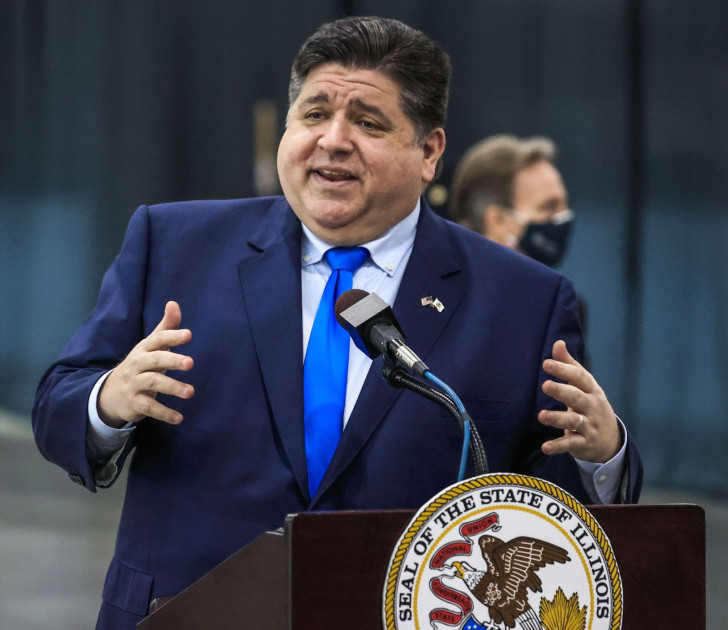
For the President to send in federal troops against the will of the state’s governor, J.B. Pritzker, he would have to bypass two major legal barriers. The first is the Posse Comitatus Act, which forbids the use of the military for domestic law enforcement.
The second, and only, exception to that rule is the Insurrection Act of 1807, a law that grants the president the extraordinary power to deploy troops to suppress an actual rebellion.
A tragic weekend of street crime, however horrific, does not meet the high constitutional bar of an insurrection.
The Allure of a Shortcut
The calls for federal intervention are a clear sign of a political and constitutional system under immense stress. It represents a temptation to abandon the often-slow and messy process of local governance in favor of a swift and decisive solution from a powerful executive.
This is a dangerous allure. Our federalist system was designed precisely to prevent the concentration of this kind of power in a single federal entity. The framers believed that local problems should be handled by local governments, accountable to the local population.
To invite the President to use the military to solve a local crime problem is to ask him to ignore this entire constitutional structure.
The pain of Chicago’s residents is real, and their demand for safety is the most fundamental charge of any government. But the precedent that would be set by a president unilaterally sending troops into an American city against the will of its state government would be a devastating blow to our republic.
The solution to crime in Chicago must be found within the constitutional bounds of state and local authority, not by inviting a federal intervention that would shatter the very principles of self-governance.