
A late-night television set in Hollywood is dark tonight. The show was not canceled for low ratings or a lack of talent. It was pulled from the air just hours after a direct and public threat from one of the most powerful regulatory officials in Washington.
The suspension of “Jimmy Kimmel Live!” by ABC is not a story about a comedian’s monologue. It is the story of a constitutional line being crossed. It is the moment where government criticism of the press escalated into government-coerced censorship, a direct and brazen assault on the First Amendment.

The 24-Hour Takedown
The sequence of events was a masterclass in political hardball. On Monday, host Jimmy Kimmel used his monologue to criticize what he perceived as attempts by the “MAGA gang” to politicize the assassination of Charlie Kirk.
In response, the Chairman of the Federal Communications Commission (FCC), Brendan Carr, publicly and unsubtly threatened ABC and its affiliate stations, implying their broadcast licenses could be at risk.
Within hours, major affiliate groups like Nexstar and Sinclair – who need the FCC’s approval for their business deals – announced they would preempt the show. Faced with a revolt from the local stations that hold the licenses, the parent company, Disney-ABC, capitulated and suspended Kimmel indefinitely.

The Media’s Constitutional Achilles’ Heel
This episode is a powerful “teaching moment” about the unique constitutional vulnerability of broadcast television. Unlike a newspaper or a cable channel, a broadcast station (like your local ABC, NBC, or CBS affiliate) operates on the public airwaves.
The FCC, a federal agency, has the statutory power to grant and renew their licenses based on a vague standard of whether they are serving the “public interest.”
This power was upheld by the Supreme Court in the 1969 case Red Lion Broadcasting Co. v. FCC. The administration is now weaponizing this 75-year-old legal framework, designed for an era of scarce airwaves, to enforce political conformity in the digital age.
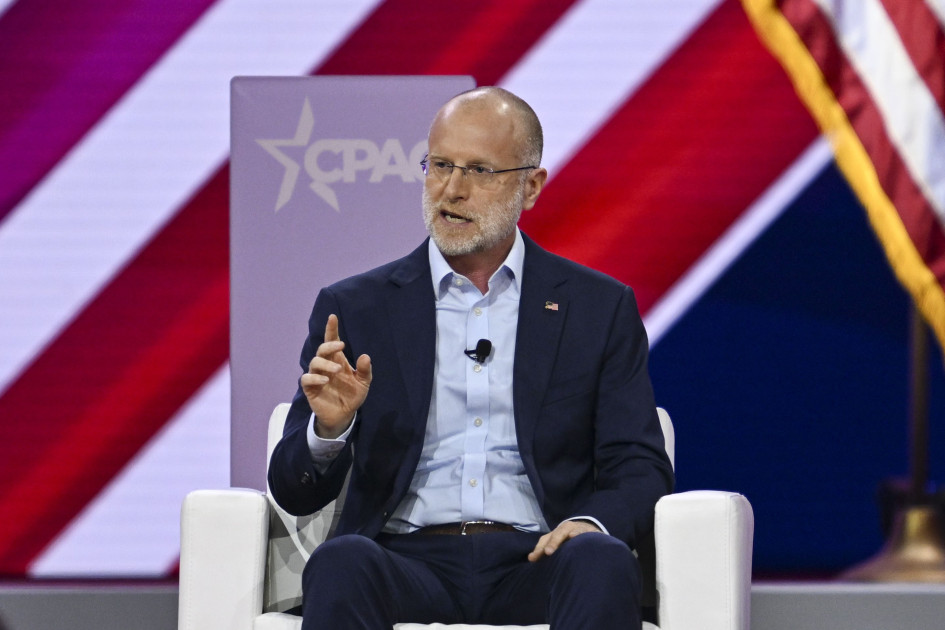
As House Democratic leaders stated, FCC Chair Brendan Carr “has engaged in the corrupt abuse of power… bullying ABC… and forcing the company to bend the knee to the Trump administration.”
The Unconstitutionality of Coercion
This is a textbook case of unconstitutional government coercion. The government does not need to pass a formal censorship law to violate the First Amendment. The threat of regulatory action from a powerful official – if it is intended to and succeeds in silencing speech – is itself an act of censorship.

The President has since praised the move, suggested other late-night hosts should be next, and stated that networks are “not allowed” to have overwhelmingly negative coverage of him. This is the very definition of a “chilling effect,” a tactic designed to intimidate speakers into silence. As former President Barack Obama warned in response to the news:
“This is precisely the kind of government coercion that the First Amendment was designed to prevent – and media companies need to start standing up rather than capitulating to it.”

The suspension of Jimmy Kimmel’s show is a dark and pivotal moment for the First Amendment. The playbook being used – threatening regulatory action to silence media critics – is a hallmark of authoritarian regimes. It is now happening here, and it is a test of whether our media companies, and our republic itself, still have the courage to stand up to it.