
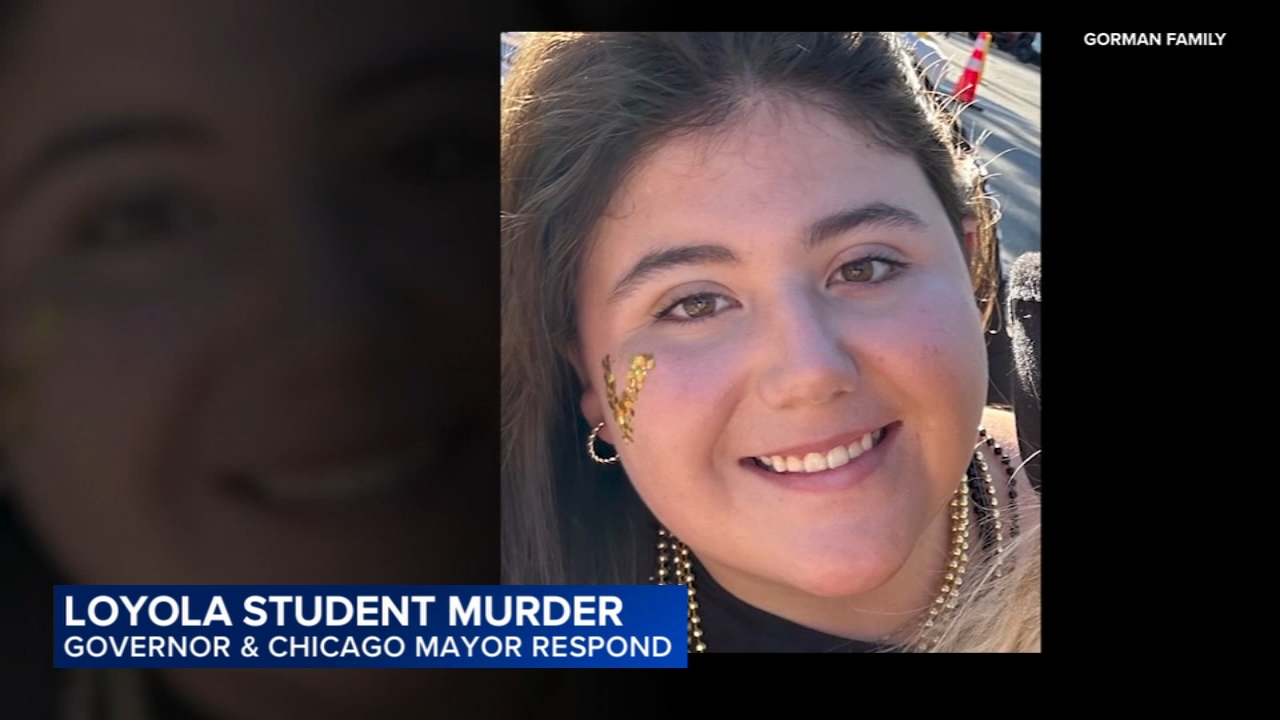
Every so often, a criminal case lands in the public square with a set of details so jarring that it disrupts our civic instincts. A man is accused of murdering a Chicago student. He is reportedly in the country illegally. And then comes the detail that makes people sit up straight: according to reports, he is missing part of his skull and cannot read or write.
That is, for now, the broad outline most people have. The available details are limited. What follows is not a full recap, and it is not an allegation that any court or lawyer has failed to do anything in this specific case. It is a constitutional meditation on general due process principles that become especially salient whenever reports suggest an accused person may face basic barriers inside a system built on paperwork.
What does due process require when a defendant is reported to be unable to read the documents that guide a case?
The basics
At this stage, the public picture is stark and spare: a murder accusation involving a Chicago student, paired with reports about the accused’s immigration status, reported illiteracy, and a reported skull injury.
The temptation is immediate: to turn a defendant into a symbol, and to treat the worst-sounding details as a substitute for the slow work of proof.
But the Constitution, stubborn as ever, resists that move. The Bill of Rights speaks to individuals, including the ones we might prefer to treat as exceptions.
Due process
The Fifth and Fourteenth Amendments do not say, “No person shall be deprived of life or liberty without due process, unless the public is angry.” They say no person. That word has weight. It includes citizens and non-citizens. It includes the educated and the illiterate. It includes the healthy and the injured.
Due process is not softness. It is legitimacy. It is the difference between punishment and power.
Understanding
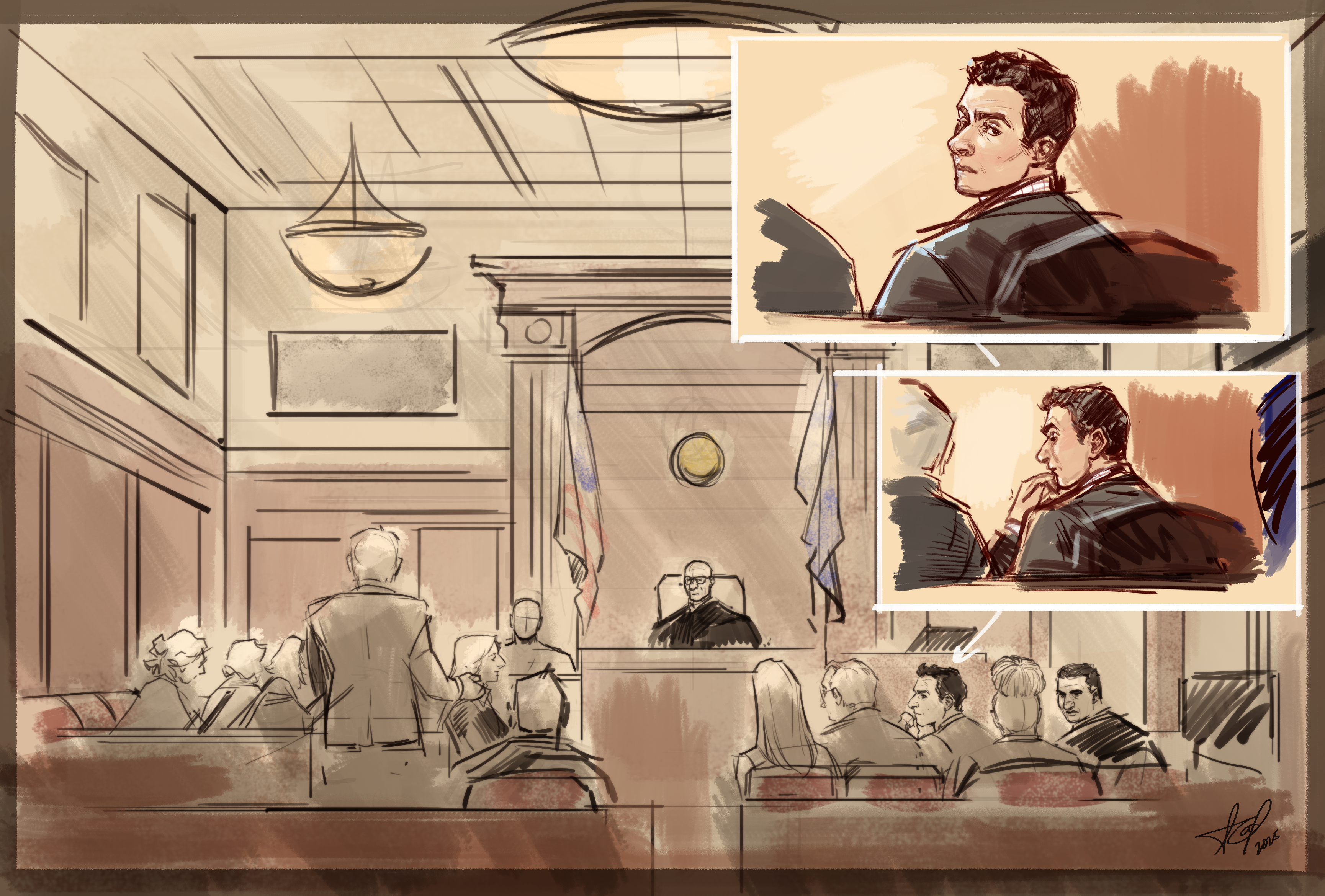
Here is the procedural point worth keeping separate from the noise. As a general matter, when a defendant cannot read or write, courts commonly take care to ensure the person understands what is happening before the court asks for choices that carry legal consequences.
That can be as simple as, for example, having key paperwork read aloud, explained in plain language, and confirmed on the record. It can mean extra time with counsel. It can mean the court being meticulous about what, exactly, the defendant is agreeing to and what rights are being given up, if any. These are illustrative possibilities, not claims about what is or is not occurring in this particular case.
This is not a diagnosis. It is not an excuse. It is a basic fairness question: is the process being conducted in a way that allows the accused to receive and respond to what is happening in his case?
It is also crucial to say what the reported details do not establish. Illiteracy, by itself, does not prove incompetence. A reported skull injury, by itself, does not prove incompetence. And neither, even together, allows the public to infer a person’s capacity from afar. At most, they are the kind of reported facts that can justify a court moving carefully and making sure comprehension is real, not assumed.
Pressure
Big allegations reliably generate pressure for speed. That is a recurring feature of public life when violence is involved and emotions are high.
In some cases, immigration status can add another layer, because people start asking whether the system should prioritize removal over adjudication. As a general matter, that instinct treats procedure as an obstacle rather than a safeguard.
But constitutional rights are designed for moments when we are sure we already know what justice looks like. If the accused committed murder, the public interest is served by a lawful conviction that can withstand scrutiny, not by a rush that creates avoidable error or later uncertainty.
What it means
This case, as it is publicly understood right now, presses three uncomfortable points.
- The Constitution protects people we do not like. That is the point of a Constitution.
- Immigration status does not erase criminal procedure. The courtroom is not a border checkpoint.
- Understanding is not a side issue. In any case involving reported illiteracy, courts commonly take steps to ensure that agreements and choices are informed, not performative.
The hardest civic skill is holding two thoughts at once: sympathy for the victim and insistence on constitutional limits. A system that cannot do both is not a justice system. It is power wearing legal clothes.
The question
In the coming weeks, many voices will argue about what this case “proves.” But the better question is smaller, sharper, and more constitutional.
If the government can take away a man’s liberty through documents he cannot read, what exactly do we mean by due process?
That question does not decide guilt or innocence. It decides whether we are still a nation ruled by law, even when the allegations make the law difficult to defend.