
The second Trump term is barely six months old, but in the quiet cornfields of Iowa and the backrooms of Washington, the next presidential race is already beginning.
A crowded field of ambitious Republicans is taking the first tentative steps toward a 2028 run for the White House. But they all face a monumental and unprecedented challenge: how do you run to succeed a man who jokes about never leaving, and whose blessing is the single most important asset in the party he completely remade in his own image?
This is the story of the “invisible primary” – a quiet but intense competition to become the heir to the MAGA movement.
A Looming Open Field
First, it is essential to understand the constitutional bedrock that makes this race possible. President Trump has often teased the idea of seeking a third term, but the law is unambiguous.
The Twenty-Second Amendment to the U.S. Constitution, ratified in 1951, states plainly: “No person shall be elected to the office of the President more than twice.”
“While the President may joke about a third term, the Twenty-Second Amendment is no laughing matter. Its two-term limit is an absolute constitutional barrier, guaranteeing an open Republican primary in 2028.”
This constitutional fact is what has set the stage for one of the most complex succession battles in modern political history. Every potential candidate must demonstrate absolute loyalty to the current President while simultaneously, and subtly, making the case for themselves as his replacement.
The Inner Circle: The Heirs Apparent
The two figures who start with the most obvious advantage are those closest to the President.
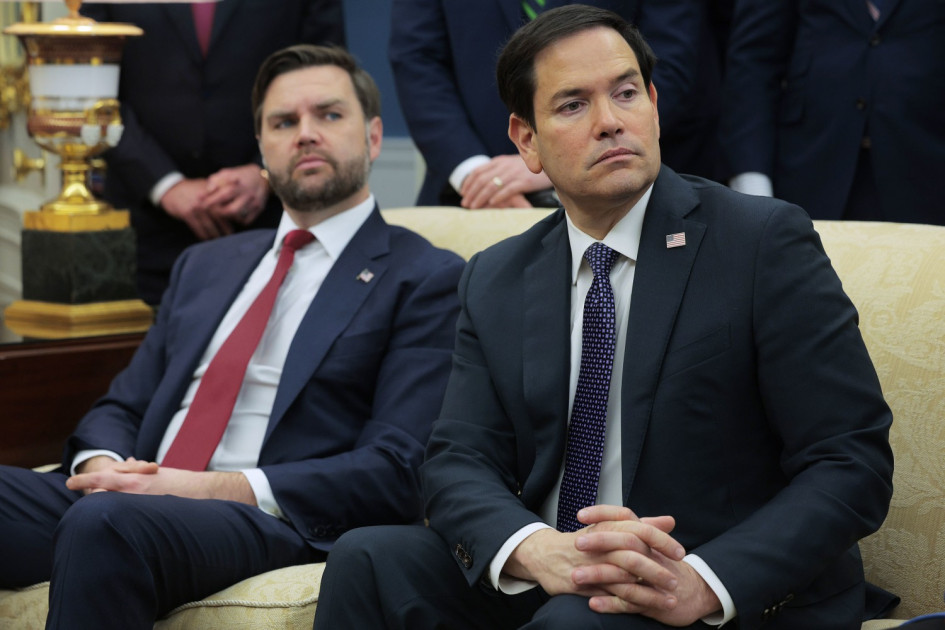
Vice President J.D. Vance is the natural successor. As Trump’s understudy, he is in the “pole position,” with a direct line to the MAGA base and a shared populist ideology. He will have the most opportunities to prove his loyalty and adopt the President’s mantle.
Secretary of State Marco Rubio has emerged as a surprisingly strong potential contender. His prior presidential campaign experience in 2016 means he is already a known quantity to primary voters. His successful transformation from a one-time critic to a loyal and effective member of the administration’s national security team has earned him credibility with the base.
Executives Outside the Beltway
Perhaps the most interesting group of contenders are the governors, who have the advantage of building their own executive records far from the daily drama of Washington.
The role of governor is a powerful one in our federalist system, often described as a “laboratory of democracy.” These leaders can point to tangible accomplishments and conservative governance in their own states.
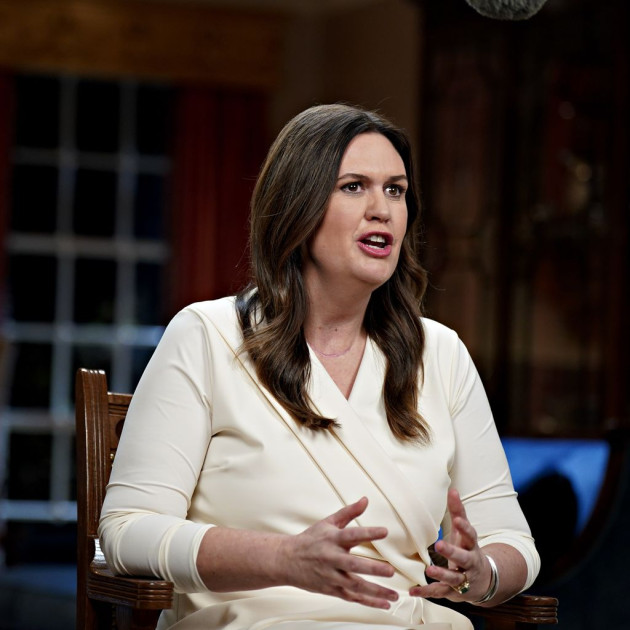
Among the most prominent names are Ron DeSantis of Florida, who has a massive fundraising network from his 2024 run; Glenn Youngkin of Virginia, who will soon be a term-limited free agent with a proven track record of winning in a purple state; and Sarah Huckabee Sanders of Arkansas, whose ties to the President are unbreakable.
“The governors represent a potent force, able to build a record of accomplishment in their own states – the constitutional laboratories of democracy – far from the shadow of the White House.”
The Washington Warriors and the Wild Cards
A number of U.S. Senators are also testing the waters, including Ted Cruz of Texas, who won the Iowa caucuses in 2016, and populist figures like Josh Hawley of Missouri. Senators, however, often face a tougher path, as they can get bogged down in unpopular Washington debates.
The most fascinating wild cards are figures who were not long ago Democrats. HHS Secretary Robert F. Kennedy Jr. and Director of National Intelligence Tulsi Gabbard are now key members of the administration. A potential run by either would be a profound test of how durable Trump’s unique coalition is, and whether party history still matters in the new Republican party.
A Test of the Trumpist Faith
The “invisible primary” for 2028 is unlike any other. It will likely not be a battle over ideology – all serious contenders must swear fealty to the populist, “America First” principles that now define the GOP.
Instead, it will be a test of personality, perceived strength, and, above all, loyalty to Donald Trump. The central question for Republican primary voters will be who they trust most to be the authentic heir to the Trump legacy.
The race is not to replace the President, but to prove who can best continue his revolution.