
While the nation’s attention is often captured by the high-stakes drama of Cabinet confirmations and Supreme Court nominations, the true machinery of the executive branch is run by hundreds of lesser-known but critically important officials. These are the Assistant Secretaries, U.S. Attorneys, and commission members who translate a president’s agenda into government action.
The President has now sent a new slate of these key nominees to the Senate for its constitutional duty of “Advice and Consent.” Their backgrounds—from career prosecutors and industry experts to political allies—provide a clear window into the administration’s priorities for law enforcement, national security, and regulatory policy. The following is a brief overview of these individuals and the powerful roles they have been nominated to fill.
United States Attorney Nominees
Thomas Albus, of Missouri (Eastern District of Missouri)
Thomas Albus is a veteran federal prosecutor with deep roots in the Eastern District of Missouri. He has spent the majority of his career as an Assistant U.S. Attorney in that very office, rising through the ranks and handling a wide array of federal criminal cases. He briefly served as the interim U.S. Attorney for the district during the previous Trump administration, giving him direct experience leading the office.
His nomination is widely seen as a choice for continuity and experience. Albus is a career prosecutor, not a political figure, and is respected for his professionalism. His focus is expected to be on traditional federal law enforcement priorities, such as violent crime, drug trafficking, and public corruption.
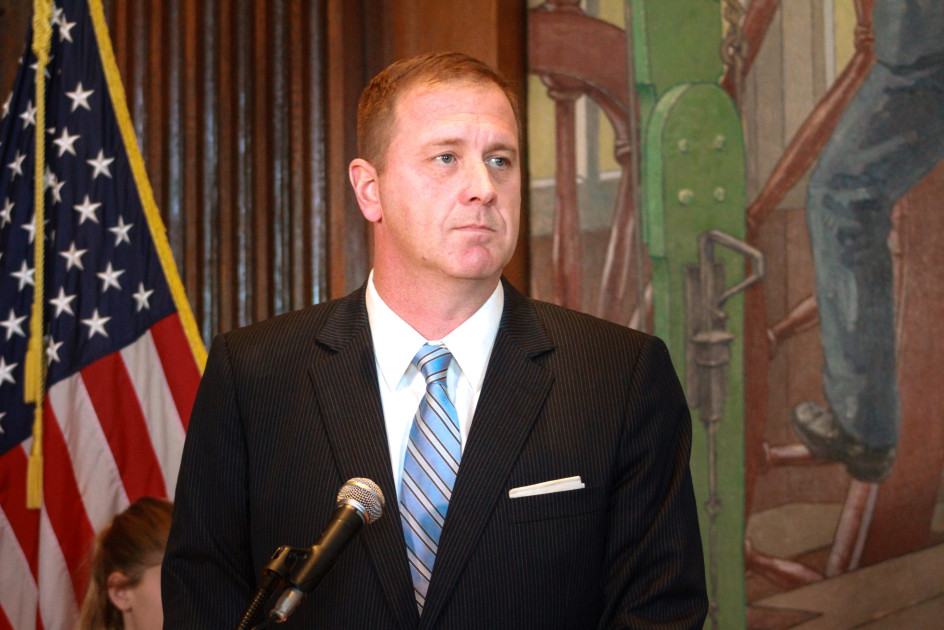
Thomas Ferguson III, of North Carolina (Western District of North Carolina)
Thomas Ferguson is a seasoned prosecutor and trial attorney based in North Carolina. He has previously served as an Assistant District Attorney at the state level and as a Special Assistant U.S. Attorney, giving him experience in both state and federal court systems. Ferguson has also spent time in private practice, specializing in criminal defense and civil litigation.
His background suggests a nominee with a comprehensive understanding of the criminal justice system from both the prosecution and defense perspectives. His nomination indicates a focus on bringing in an experienced litigator to lead one of North Carolina’s busiest federal districts, with an expected emphasis on tackling violent crime and firearms offenses.
Richard Price, of Missouri (Western District of Missouri)
Richard Price is a career prosecutor who has served in the U.S. Attorney’s Office for the Western District of Missouri for many years. Like Thomas Albus in the state’s eastern district, Price has built a reputation as a non-political, workhorse prosecutor. He has been involved in numerous high-profile cases, particularly those involving drug trafficking conspiracies and organized crime.
His nomination signals a preference for institutional knowledge and stability. By selecting a long-serving internal candidate, the administration is prioritizing experience and a continuation of the office’s existing law enforcement strategies, particularly in combating violent crime and drug networks.
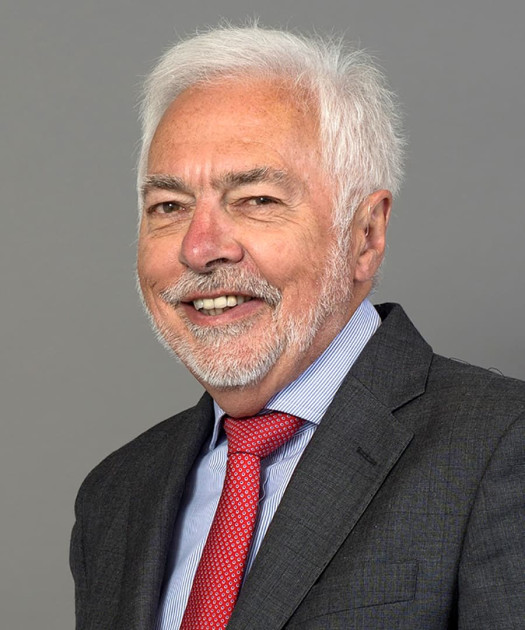
Darin Smith, of Wyoming (District of Wyoming)
Darin Smith is a Wyoming-based attorney and businessman with a background in both law and politics. A U.S. Army veteran, Smith has also run for Congress and for governor of Wyoming as a conservative Republican, closely aligning himself with President Trump’s platform. His legal practice has focused on business and real estate law.
Unlike many U.S. Attorney nominees who are career prosecutors, Smith’s profile is more overtly political. His nomination reflects a desire to place a trusted political ally, who shares the administration’s “America First” agenda, in charge of the top federal law enforcement post in Wyoming.
Executive Branch Nominees
Timothy Dill & Maurice Todd, of Ohio and Florida (Assistant Secretaries of Defense)
Timothy Dill and Maurice Todd are both nominees for key civilian leadership roles at the Department of Defense. Such positions are typically filled by individuals with extensive military backgrounds or deep experience in national security policy. Nominees like Dill and Todd are often retired high-ranking military officers or long-serving civilian experts from defense-focused think tanks or congressional committees.
As Assistant Secretaries, they will be responsible for overseeing specific areas of Pentagon policy, from international security affairs to logistics and personnel. Their appointments are critical for implementing the administration’s national security strategy and managing the world’s largest military bureaucracy.
Andrew Duva, of Florida (Assistant Attorney General)
Andrew Duva is nominated to a senior position within the Department of Justice. An Assistant Attorney General typically leads one of the DOJ’s major divisions, such as the Civil Rights Division, the Criminal Division, or the National Security Division. These roles require deep legal expertise and the ability to manage complex, nationwide litigation.
Nominees for these positions are often former U.S. Attorneys, high-ranking DOJ officials, or highly respected legal scholars. Duva’s role will be to serve as a key lieutenant to the Attorney General, shaping and executing the administration’s legal policy across the country.
Daniel Edwards, of North Carolina (Assistant Secretary of Transportation)
Daniel Edwards has been nominated to a senior leadership role at the Department of Transportation. This position involves overseeing national policy on a specific area of transportation, such as aviation, highways, or public transit. Nominees typically have a background as a state-level transportation official, a senior executive in the private transportation sector, or an expert in infrastructure policy. Edwards will be tasked with helping to implement the administration’s infrastructure goals and regulatory agenda.
Ho Nieh, of Alabama (Member, Nuclear Regulatory Commission)
Ho Nieh is a long-time executive in the American nuclear power industry, most recently serving in a senior role at Southern Nuclear Operating Company, a major utility. The Nuclear Regulatory Commission (NRC) is the independent agency tasked with ensuring the safe use of radioactive materials, primarily by regulating commercial nuclear power plants.
Nieh’s nomination brings deep industry experience to the commission. Supporters would argue this provides essential technical expertise, while critics will likely raise concerns about a potential lack of regulatory independence, questioning whether an industry veteran can be an impartial overseer of that same industry.
Michael Payne, of Virginia (Director of Cost Assessment and Program Evaluation, DoD)
Michael Payne is a veteran defense budget analyst, nominated to lead the Pentagon’s influential Cost Assessment and Program Evaluation (CAPE) office. This office acts as an internal think tank, providing the Secretary of Defense with independent analysis of defense programs, budgets, and military capabilities. Payne has likely spent years within the DoD or related government agencies, developing an expertise in the technical and financial aspects of military procurement. His role is critical for ensuring fiscal discipline and strategic coherence in the massive defense budget.
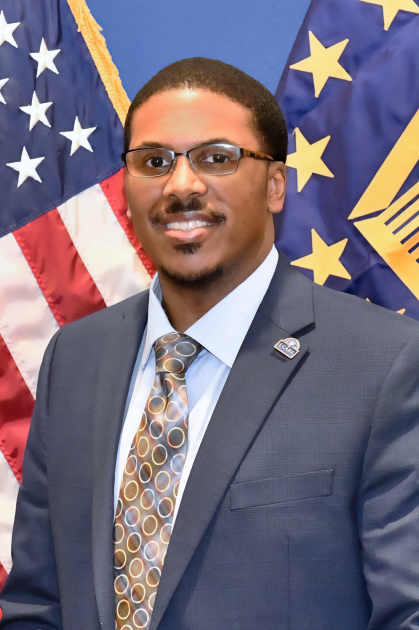
Douglas Troutman, of Maryland (Assistant Administrator for Toxic Substances, EPA)
Douglas Troutman has been nominated to lead the Environmental Protection Agency’s office responsible for chemical safety and pollution prevention under the Toxic Substances Control Act (TSCA). This role requires a deep understanding of environmental science, chemistry, and regulatory law. Nominees for this position are typically scientists, environmental lawyers, or public health experts, often with prior experience at the EPA or a state-level equivalent. Troutman will be responsible for implementing the administration’s agenda on chemical regulation and safety.