
The White House physician has declared the 79-year-old President to be in “exceptional health” following his second “annual” physical in just six months.
But this latest visit to Walter Reed Medical Center – coming after a string of unexplained health incidents and a recent diagnosis for a chronic condition – has reignited one of the most sensitive and consequential questions in our republic: Is the President fit for office?
This is more than a medical question. It is a constitutional one, with a long, often hidden, and perilous history.
At a Glance: The President’s Health
- What’s Happening: President Trump, 79, made a second “annual” visit to Walter Reed in six months for “advanced imaging” and heart tests.
- The Official Report: The White House physician says the President is in “exceptional health,” but the visit follows a recent diagnosis of Chronic Venous Insufficiency and other public health questions.
- The Historical Context: The health of a President is a matter of national security. Past crises, like Woodrow Wilson’s stroke, have tested the stability of the U.S. government.
- The Constitutional Issue: Any serious presidential health issue raises the specter of the 25th Amendment, the constitutional mechanism for dealing with a president who is unable to discharge the powers of the office.
A Picture of ‘Exceptional Health’?
The official summary of President Trump’s Friday visit to Walter Reed, released by his physician Dr. Sean Barbabella, painted a rosy picture. It described the visit as a “routine” part of an “ongoing health maintenance plan” and declared the President’s health to be “exceptional.”
This glowing report, however, stands in contrast to a series of recent and observable health concerns that have fueled public speculation.
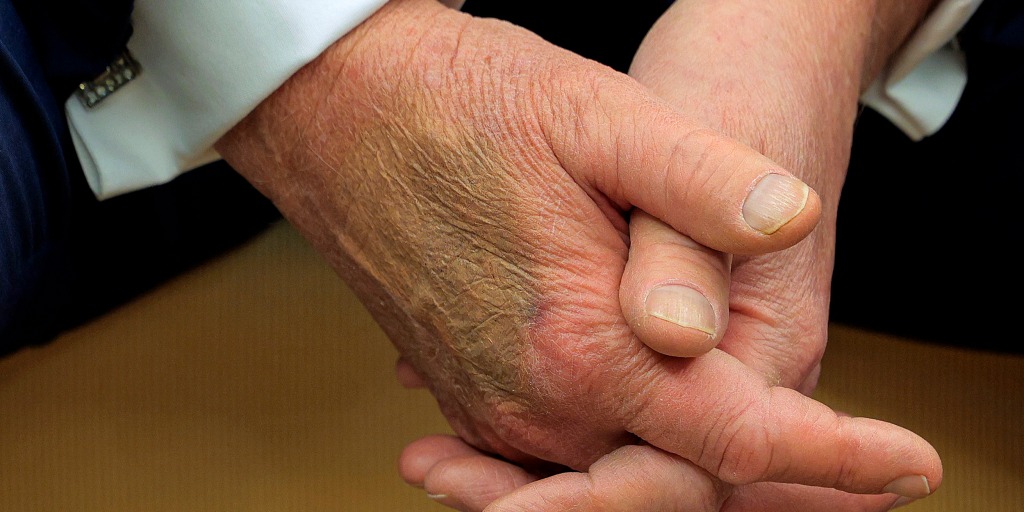
In July, the President made an unplanned visit to the doctor for swelling in his legs, which resulted in a diagnosis of Chronic Venous Insufficiency (CVI), a circulatory condition. For months, he has also been photographed with recurring, and at times heavily concealed, bruises on his right hand. And just last month, his longest absence from the public press since taking office fueled a storm of online rumors about his well-being.
A Confident Public Relations Defense
The administration has met the rising tide of public speculation with an aggressive and consistent public relations strategy, aiming to frame any health concern as either trivial or a sign of the President’s vigorous work ethic.
When photos of the recurring bruises on his hand first went viral, White House Press Secretary Karoline Leavitt told reporters they were simply because he “is constantly working and shaking hands all day every day.” The President’s physician later attributed them to a combination of handshaking and aspirin use.
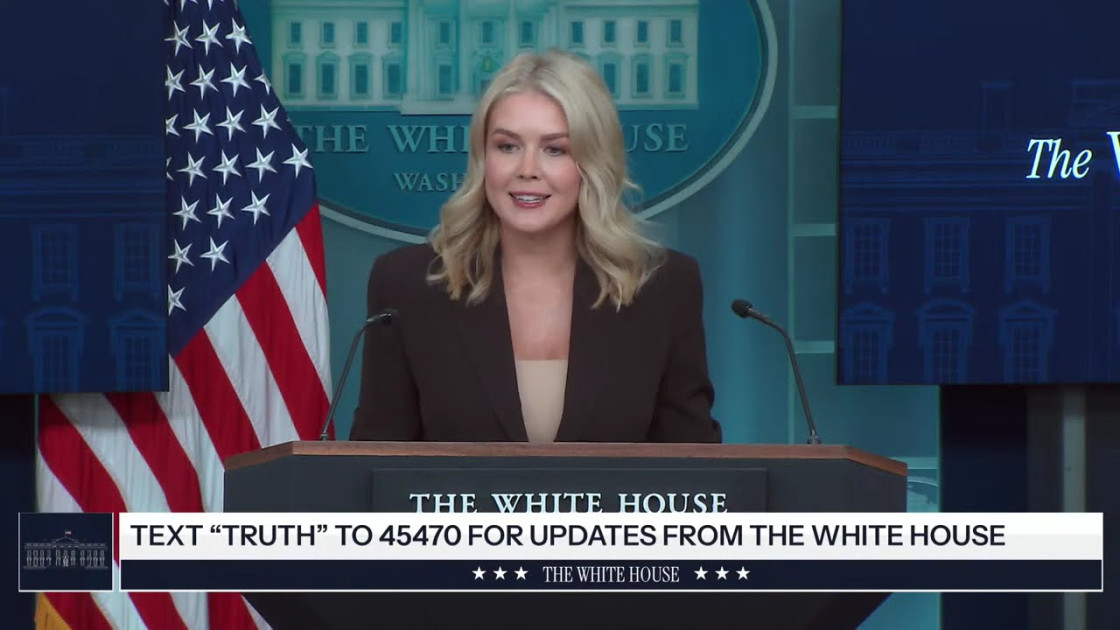
Likewise, the July diagnosis of Chronic Venous Insufficiency was described as a “benign and common condition.” This pattern of downplaying and deflecting – casting all concerns as media-driven hysteria – is a key part of the White House’s effort to control the narrative around the 79-year-old president’s fitness.
The Ghosts of Presidents Past: A History of Hidden Illness
The public’s intense focus on a president’s health is born from a history of national trauma, when presidential incapacity was hidden from the American people, creating profound constitutional crises.
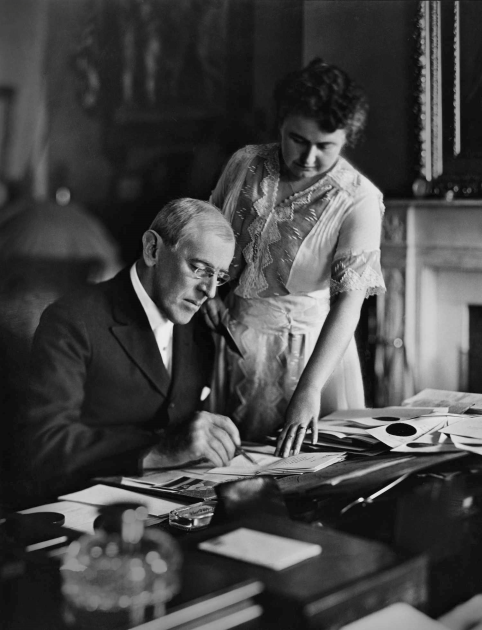
In 1919, President Woodrow Wilson suffered a debilitating stroke that left him partially paralyzed. For the next 18 months, his wife, Edith, and his doctor secretly controlled access to the President and effectively ran the executive branch, a situation that many historians consider a “bedside presidency.”
President Dwight D. Eisenhower suffered a major heart attack in office, and the full extent of President John F. Kennedy’s many serious illnesses, including Addison’s disease, was carefully concealed from the public.
“History has taught a painful lesson: a president’s health is not a private matter. The secrecy surrounding Woodrow Wilson’s stroke effectively left the nation without a functioning chief executive for over a year.”
The Constitutional Safeguard: The 25th Amendment
These historical crises were the direct catalyst for the ratification of the 25th Amendment in 1967. This is the Constitution’s ultimate answer to the question of presidential fitness, and it provides two clear paths for a transfer of power.
Section 3 allows for a voluntary and temporary transfer of power. A President about to undergo a medical procedure can inform Congress, and the Vice President becomes Acting President until the President declares himself fit to return.
Section 4 outlines the “break glass in case of emergency” scenario: the involuntary removal of a president. This is an extraordinarily difficult process. It requires the Vice President and a majority of the Cabinet to declare the President “unable to discharge the powers and duties of his office.” If the President contests this, it requires a two-thirds vote of both the House and the Senate to keep him from reclaiming his power.
“The 25th Amendment is the Constitution’s ultimate answer to the question of presidential fitness. It provides a clear, orderly process to ensure that the power of the office is never left in the hands of someone who is unable to wield it.”
A Question of Trust
While the President’s physician has issued a glowing report, the unusual circumstances of a second “annual” physical, combined with the administration’s reliance on political surrogates to manage the public narrative, have created an atmosphere of suspicion.
In the American constitutional system, the President’s fitness for office is not just a medical diagnosis; it is a matter of public trust.
The recurring questions about President Trump’s health, and the administration’s sometimes defensive and contradictory responses, have put that trust to a severe test, keeping the specter of the 25th Amendment in the national conversation.