
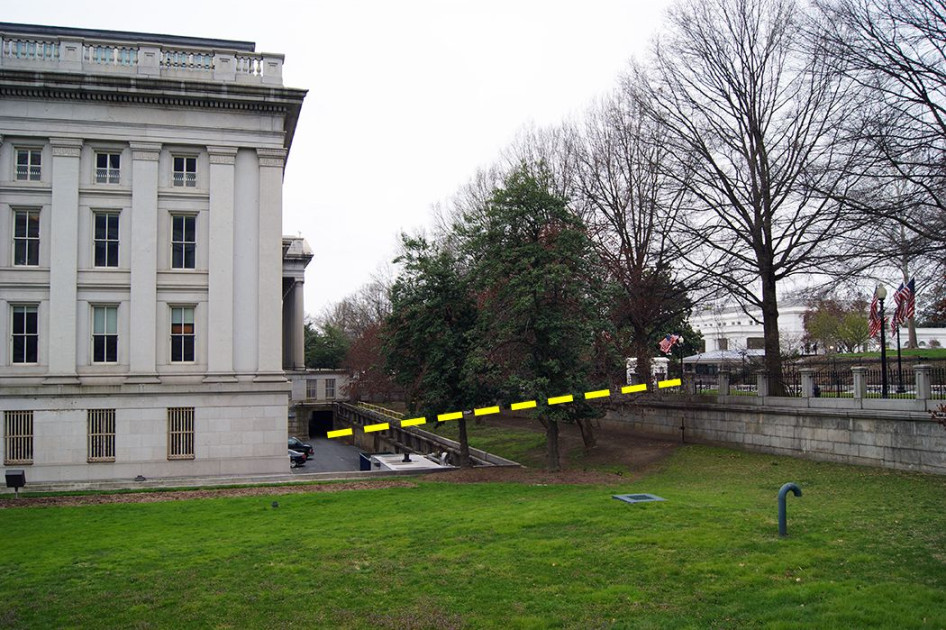
Excavators tore into the White House East Wing on Monday, demolishing the structure built in 1942 to hide FDR’s underground bunker during World War II. President Trump is replacing it with a $200 million, 90,000-square-foot ballroom featuring gold chandeliers, gilded Corinthian columns, and checkered marble floors.
The East Wing has housed first ladies’ offices since the 1970s and contains the Presidential Emergency Operations Center – the secure bunker where Dick Cheney sheltered on 9/11. Trump says he’s been told “you’re the president of the United States, you can do anything you want” regarding the White House.
That raises a genuinely interesting constitutional question: does the President actually own the White House in any meaningful sense, or is he just a temporary tenant who shouldn’t be making irreversible changes to a building that belongs to the American people?
At a Glance
- Demolition began Monday on the 1942 East Wing, built during WWII to conceal FDR’s underground bunker construction
- Trump is building a $200 million, 90,000-square-foot ballroom with gold chandeliers, gilded columns, and marble floors
- The project is privately funded by Trump and donors, with seated capacity for 650 people (triple the East Room)
- Trump claims he was told there are “zero zoning conditions” and he can “do anything you want” as president
- At stake: whether the President has unlimited authority to alter historic federal property without oversight

The East Wing’s History and Significance
The East Wing being demolished isn’t just any office building – it’s a structure with genuine historical significance. Built in 1942 during World War II, President Franklin D. Roosevelt constructed it specifically to conceal the building of an underground bunker, now known as the Presidential Emergency Operations Center. That bunker became famous on September 11, 2001, when Vice President Dick Cheney was rushed there as the attacks unfolded.
The East Wing provided much-needed office space during wartime government expansion and eventually became the home of the first lady’s office, formally established there by President Jimmy Carter in 1977. For nearly 50 years, first ladies from Rosalynn Carter to Melania Trump to Jill Biden maintained their offices in the East Wing, making it symbolically important as the institutional home of a role that’s not even mentioned in the Constitution but has become central to how Americans understand the presidency.
The site has an even longer history. Thomas Jefferson first proposed colonnaded terraces on the east and west sides of the White House, which were partially constructed for service areas. An 1866 renovation removed the East Terrace. In 1902, architect Charles McKim built a glass-enclosed wing that served as a formal entrance. The area has been modified repeatedly throughout American history, which White House Communications Director Steven Cheung emphasized when he shared Truman-era construction photos to defend the current demolition.
“Construction has always been a part of the evolution of the White House. Losers who are quick to criticize need to stop their pearl clutching and understand the building needs to be modernized.” – Steven Cheung, White House Communications Director
Trump’s Vision: Gold, Marble, and Grandeur
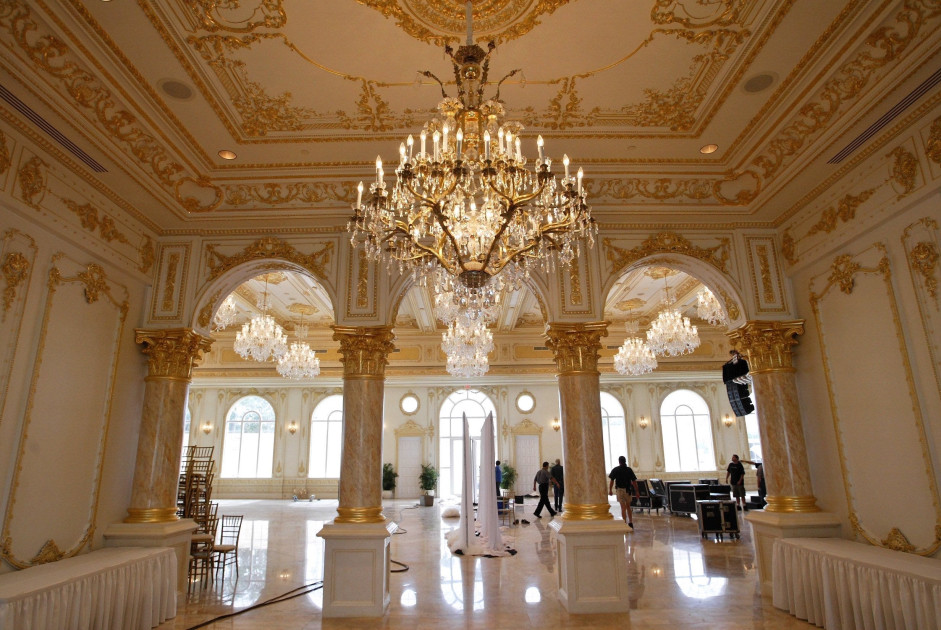
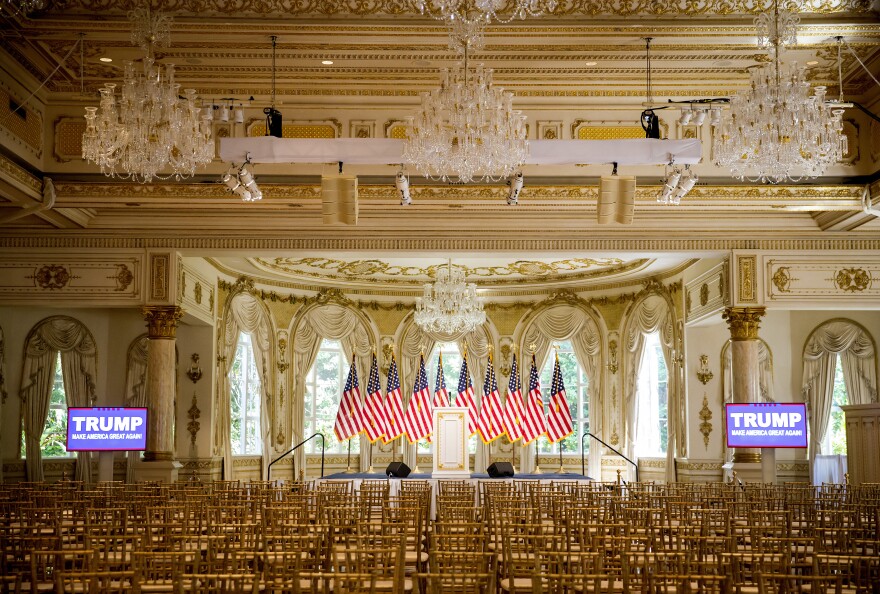
Renderings released by the White House show a vast space that looks more like Mar-a-Lago than traditional White House architecture – though the administration insists it will maintain the “theme and architectural heritage” of the neoclassical executive mansion. The ballroom will feature gold and crystal chandeliers, gilded Corinthian columns, a coffered ceiling with gold inlays, gold floor lamps, and a checkered marble floor. Three walls of arched windows will overlook the south grounds.
The space will have seated capacity for 650 people – more than triple the 200-person capacity of the East Room, currently the largest event space in the White House. Trump has wanted this ballroom for 15 years, and he’s finally getting it.
At a recent dinner with high-dollar ballroom donors, Trump explained his design philosophy: “You know, a new thing is you build a super modern building next to an old-fashioned building, and I think that’s good, but I don’t have the courage to do that with the White House.” He said the new space would be “in keeping” with White House architecture and “appropriate in color and in window shape.”
Trump also revealed what he was told about regulatory oversight: “I said, ‘How long will it take me?’ ‘Sir, you can start tonight, you have no approvals.’ I said, ‘You gotta be kidding.’ They said, ‘Sir, this is the White House, you’re the president of the United States, you can do anything you want.’”
“They wanted a ballroom for 150 years, and I’m giving that honor to this wonderful place.” – President Donald Trump
The “You Can Do Anything You Want” Problem
Trump’s account of being told he can “do anything you want” with the White House raises the central constitutional question: is that actually true?
The White House is federal property. It’s owned by the United States government, not by the President personally. The President lives there and works there, but he doesn’t own it in the way he owns Mar-a-Lago or Trump Tower. He’s essentially a temporary resident with a four-or-eight-year lease that the American people can revoke through elections.
But the White House is also the President’s official residence and workspace. He needs authority to maintain it, modify it for security or operational needs, and ensure it functions effectively as both home and office. That requires substantial discretion over how the building is used and configured.
The tension is between those two concepts: the White House as public property that belongs to all Americans versus the White House as the President’s residence and office where he needs operational control.
Historically, presidents have made significant changes to the White House. Harry Truman gutted and rebuilt the entire interior when engineers determined the building was structurally unsound. Theodore Roosevelt added the West Wing. Jefferson designed the original terraces. Jackie Kennedy led a complete redecoration that created much of what we now consider the historic White House interior.
But there’s a difference between necessary structural work, adding functional office space, or redecorating – and building a massive new ballroom that permanently alters the historic property primarily to expand entertaining capacity.
The Legal and Statutory Framework
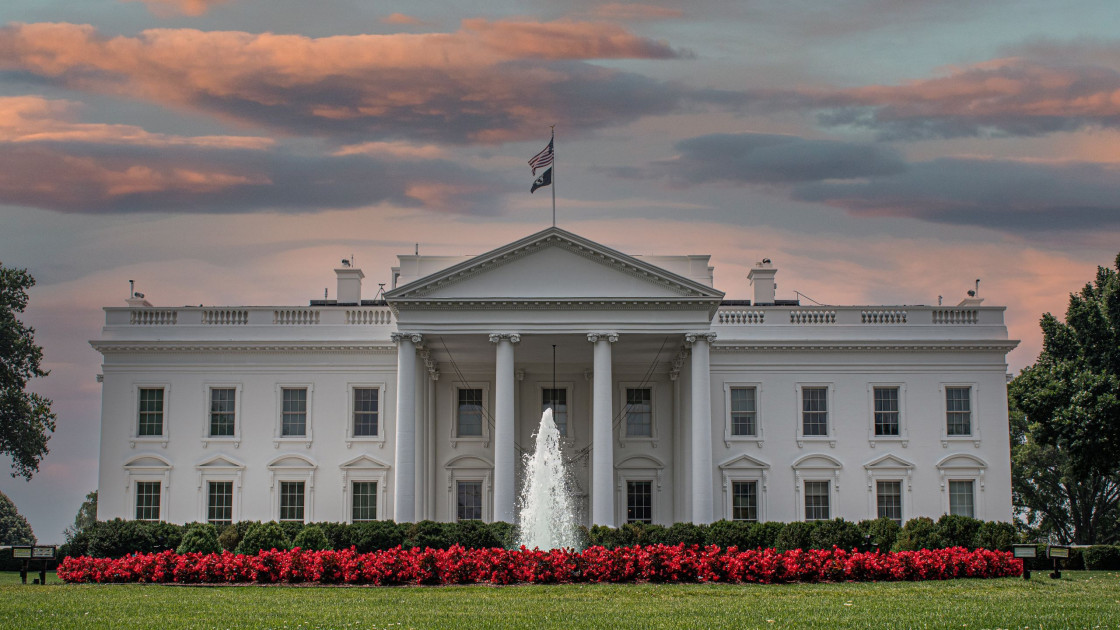
The White House is managed by the National Park Service and the White House Historical Association, but ultimate authority rests with the President through his control of the executive branch. There’s no independent board that can veto presidential changes to the White House.
Unlike other federal buildings, the White House isn’t subject to normal historic preservation laws. The National Historic Preservation Act exempts the White House and Capitol from many requirements that would apply to other historic federal properties. This is intentional – lawmakers recognized that the President and Congress need flexibility to modify their workspaces for security, operational efficiency, and changing needs.
There are also no zoning laws that apply to the White House. D.C. building codes don’t govern construction on federal property, and the White House sits on federal land. That’s what Trump meant when he said there are “zero zoning conditions” – he’s technically correct that normal regulatory oversight doesn’t apply.
Congress does control appropriations, which means they could theoretically refuse to fund White House renovations they disapprove of. But Trump says this project is privately funded by him and donors, which removes even that check on presidential authority.
The ballroom is “completely separate from the White House itself” and the “East Wing is being fully modernized as part of this process,” according to Trump’s announcement.
The Private Funding Question
Trump claims the $200 million ballroom is being funded privately by him and donors. That raises its own set of questions: can private money buy permanent changes to public property?
Private donations for White House improvements aren’t unprecedented. The White House Historical Association, founded by Jackie Kennedy, raises private money for preservation and restoration. But those efforts typically focus on maintaining and restoring historic features, not building massive new additions.
When private donors fund changes to federal property, it can create conflicts of interest. Are donors buying influence? Are they getting special access to the President in exchange for ballroom contributions? The dinner Trump held with “high-dollar ballroom donors” suggests this is exactly what’s happening – wealthy supporters funding a project that gives them enhanced access to the President.
There’s also the question of what happens after Trump leaves office. If he and private donors paid for the ballroom, does the next president have to keep it? Can they demolish a privately-funded addition to federal property? Or does the ballroom become a permanent feature that future presidents inherit regardless of their preferences?
The constitutional principle is that federal property belongs to the United States, not to whoever temporarily occupies or uses it. Private funding doesn’t change ownership. But it does create awkward situations where a president’s personal taste and donors’ money permanently alter property that belongs to the American people.
What the Founders Would Say
The Founders never anticipated the White House becoming what it is today. When the building was constructed in the 1790s, it was meant to be a functional residence and office for the President, not a historic monument or museum.
Jefferson, who helped design the original White House grounds and added the colonnaded terraces, believed presidents should be able to modify their workspace to suit their needs. He’d probably support giving the President broad authority over White House changes, though he’d likely prefer classical simplicity over Trump’s gilded aesthetic.
Madison would worry about private donors funding changes to public property. He’d see the conflict of interest problem and want clearer rules about how the White House can be modified and who pays for it.
Hamilton would probably argue that the President needs operational flexibility over his residence and shouldn’t be subject to excessive oversight from Congress or preservation boards. He believed in energetic executive authority, which includes authority over the President’s workspace.
But all three Founders would likely be troubled by the idea that the President can “do anything you want” with federal property. They created a system of limited government with checks and balances. The concept of unlimited presidential authority over anything – even the White House – would concern them.
The Truman Comparison
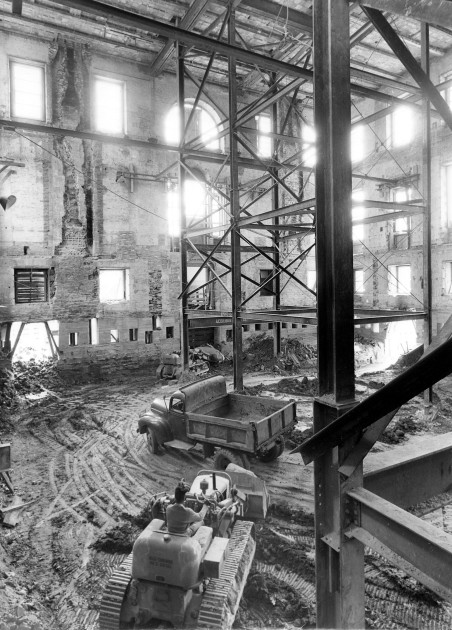
White House Communications Director Steven Cheung defended the demolition by sharing photos of Truman-era construction, noting that the White House underwent “complete reconstruction” in the 1950s when engineers discovered it was “structurally weak and in danger of collapse.”
That comparison is both valid and misleading. Yes, Truman made massive changes to the White House – he gutted the entire interior and rebuilt it with modern steel framing because the building was literally in danger of collapse. That was necessary structural work to preserve a historic building.
Trump’s ballroom isn’t necessary structural work. It’s not preserving the existing White House – it’s demolishing part of it to build something new that suits his personal taste and entertaining needs. Those are fundamentally different types of projects, even if both involve construction at the White House.
The fact that presidents have always modified the White House doesn’t mean every modification is equivalent. Context matters: was the change necessary for security, structure, or operations? Or was it purely aesthetic and functional preference?
The Irreversibility Problem
One key difference between this project and past White House modifications: demolishing the 1942 East Wing is largely irreversible. You can redecorate the Oval Office – the next president can change it back. You can add flagpoles or pave over gardens – those can be undone.
But once you demolish a historic structure and build a massive ballroom in its place, future presidents inherit that change whether they want it or not. The 1942 East Wing is gone. The bunker FDR built to hide his wartime command center will be integrated into or underneath a gold-chandeliered ballroom.
That permanence matters when evaluating whether the President should have unilateral authority to make such changes. Temporary modifications are one thing – permanent alterations to historic property are different.
The Constitution doesn’t directly address this question because the Founders didn’t imagine the White House becoming a historic monument. They saw it as a functional building that presidents would naturally modify over time. But we now view the White House as belonging to American history, not just to whoever currently occupies it.
The Constitutional Reality
Trump is probably correct that he has legal authority to build his ballroom. The White House is federal property under executive branch control. Historic preservation laws don’t apply. There are no zoning restrictions. Congress isn’t funding it, so they have limited grounds to object. The President has enormous discretion over his residence and workspace.
But “having authority” and “being wise to exercise that authority” are different questions. Just because the President can do something doesn’t mean he should. And just because there’s no legal mechanism to stop him doesn’t mean his actions are constitutionally appropriate in the broader sense of respecting institutions and traditions that belong to all Americans.
The White House is technically the President’s residence, but symbolically it belongs to the American people. Every modification to that building – especially permanent, irreversible changes – should reflect that dual nature. Presidents are temporary stewards of historic property, not owners who can remake it to personal preference.
Trump’s ballroom will likely be built. The excavators are already tearing down the East Wing. Whether future presidents use it for state dinners or find ways to modify it further remains to be seen. But the precedent being set – that presidents can make massive, permanent, privately-funded changes to the White House with no oversight – is concerning regardless of what you think about this particular ballroom.
In our constitutional system, the President has authority over the executive branch and its property. But that authority should be exercised with recognition that some things – like the people’s house – don’t really belong to him. They belong to history, and to future generations who deserve to inherit the White House as something more than a reflection of one president’s aesthetic preferences and entertaining ambitions.