
In the raw and emotional aftermath of a political assassination, a new and deeply modern battle has erupted – not in a state capitol or a courtroom, but on social media and in the human resources department of the National Basketball Association.
An NBA employee’s crude online remarks celebrating the murder of conservative activist Charlie Kirk have led to a two-week suspension. But Kirk’s organization, Turning Point USA, is demanding more. They want him fired.
The ensuing firestorm is more than just a public relations crisis for the league. It is a powerful, real-world lesson in the limits of the First Amendment and the new, unforgiving rules of speech in a polarized America.
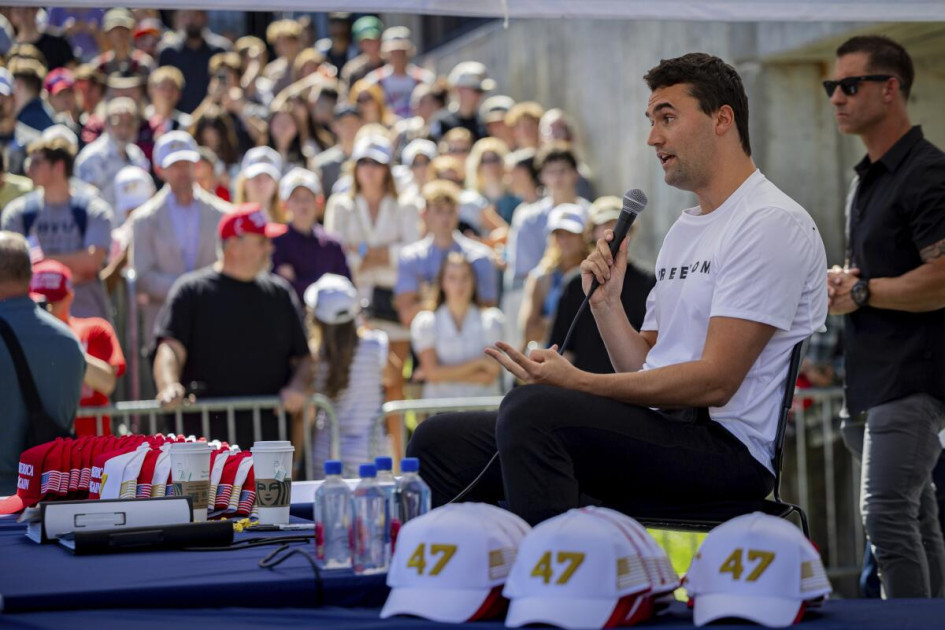
The NBA and the Aftermath
- What’s Happening: An NBA employee was suspended for two weeks without pay after posting crude social media comments celebrating the assassination of Charlie Kirk.
- The Posts: The employee called Kirk a “terrible person” and a “s—hole,” mocked the idea of offering “thoughts and prayers,” and said Kirk had “no legacy.”
- The Backlash: Turning Point USA is demanding the employee be fired, calling his comments “morally depraved” and a “black eye” to the NBA.
- The Constitutional Issue: This is a classic test of a common misunderstanding of the First Amendment. The case highlights the critical distinction between protection from government censorship and consequences from a private employer.
‘An Instant Black Eye’
The employee’s posts on Instagram, made in the days following Kirk’s murder, were unapologetically hostile. In one, he wrote that Kirk “did absolutely nothing healthy for the world except spew dangerous rhetoric.” In another, he added, “Oh I also forgot to include ‘thoughts and prayers.’ LMAO.”
The NBA responded by suspending the employee for two weeks, citing violations of “multiple NBA policies.”
For Turning Point USA, this punishment is not nearly enough.
“The opinion of this team, and that of any decent American, is that if someone is morally depraved enough to celebrate the coldblooded assassination of an innocent husband and father… then they deserve to be immediately fired. We hope the NBA doesn’t stop at suspension but goes the full distance.” – TPUSA Spokesperson
The Constitutional Misconception: Your Boss vs. The Government
This entire controversy is a powerful civics lesson on what the First Amendment does – and does not – do.
The First Amendment’s free speech clause is a shield that protects you from the government. It means Congress, your state legislature, or the police cannot arrest you or punish you for expressing a political opinion, no matter how offensive it may be to others. This is a legal principle known as the “state action doctrine.”
What the First Amendment does not do is protect you from the consequences of your speech from a private entity, like your boss.
“The Constitution prevents the FBI from arresting you for a political tweet, but it does not prevent your boss from firing you for it. The First Amendment is a limit on government power, not on the rules of a private workplace.”
A private company like the NBA is entirely within its rights to have a code of conduct for its employees. If an employee’s public speech – even on a personal social media account – is deemed to violate that code or to damage the company’s brand, the company is generally free to discipline or terminate that employee without violating the Constitution.
The New Public Square and the Power of Pressure
The battle over the NBA employee’s fate highlights a new and powerful force in the free speech landscape: organized public pressure.
The campaign by Turning Point USA to have the employee fired is not a government action. It is a powerful political organization using its platform to pressure a major corporation to enforce a certain standard of speech.
This dynamic has become a common feature of our modern, social media-driven public square. In this new arena, the loudest and most organized voices often have the power to demand accountability not from the government, but from the private institutions that shape our culture and our economy.
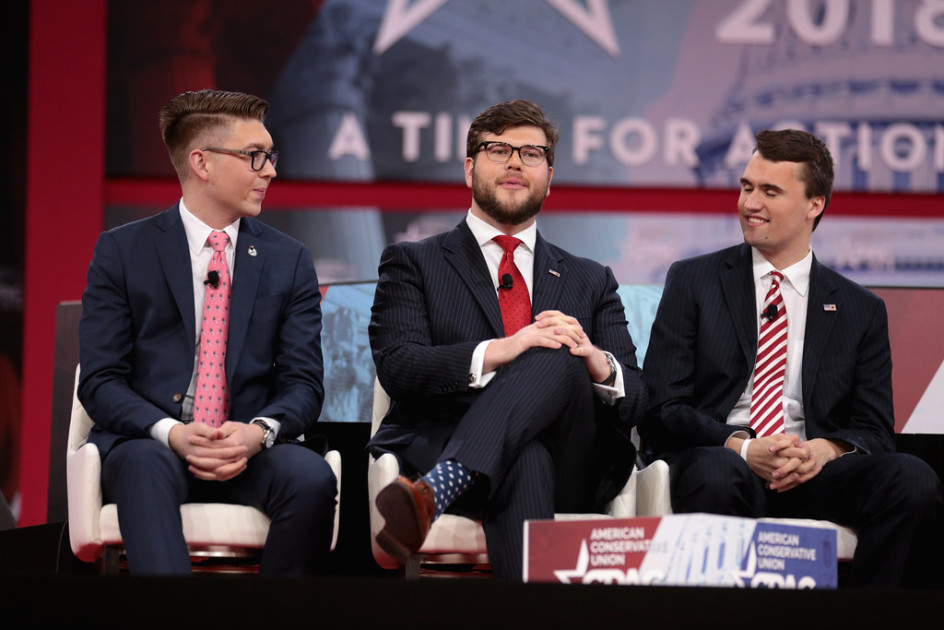
A Question of Culture, Not Law
The NBA is now caught in a difficult position, squeezed between the free speech rights of its employee (in the colloquial sense) and the intense public pressure from a powerful political movement.
Its decision – whether to stand by the two-week suspension or to bow to the pressure and fire the employee – will not be a legal one. It will be a business and a cultural one.
This case is a stark reminder that while the Constitution sets the legal floor for what the government can and cannot do, the ongoing and often brutal fight over what is acceptable speech is happening in a different arena entirely – the workplace, the social media feed, and the court of public opinion.