
This past week, the nation witnessed two deeply alarming events. A reference to presidential impeachment vanished from a Smithsonian exhibit on the “Limits of Presidential Power.” Days later, the head of the Bureau of Labor Statistics was summarily fired just hours after releasing a disappointing jobs report.
Viewed in isolation, these might seem like minor political skirmishes. But taken together, they represent two fronts in a broader and more insidious conflict: a war on objective truth itself.
These are not just attacks on a museum display or a government statistician; they are attacks on the very institutions our republic relies on to maintain a shared, factual reality. This is a profound constitutional test of whether our independent, fact-based agencies can survive a president who demands a narrative that serves his own political interests.

Erasing the Past
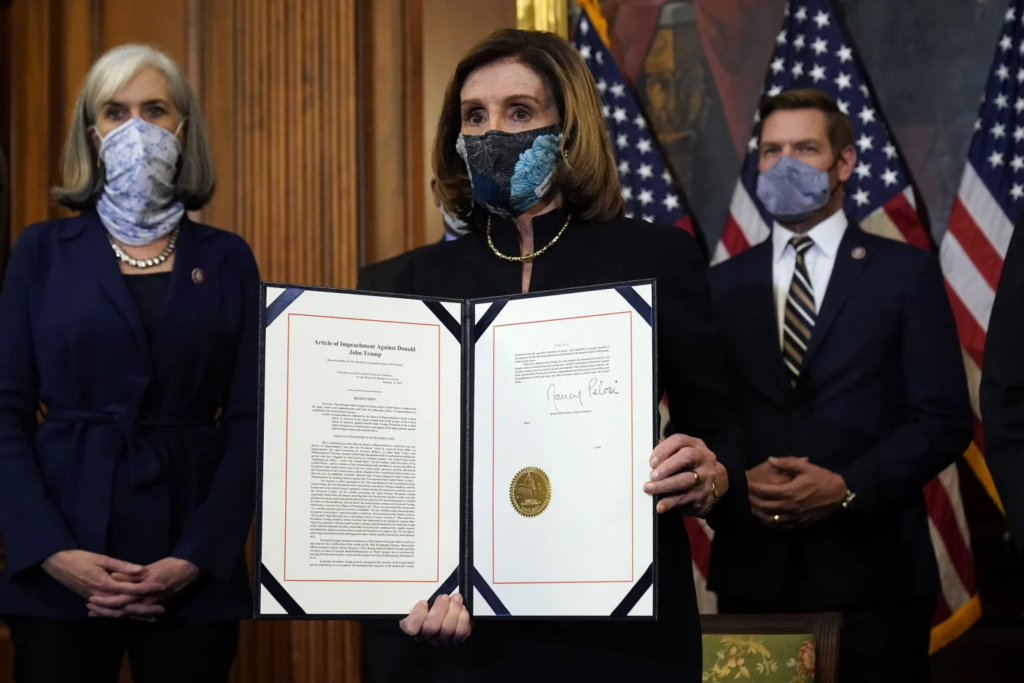
The first front in this battle is over our history. The Smithsonian Institution confirmed it had removed a board from its American Presidency exhibit that explicitly referenced President Trump’s two impeachments. The museum cited a review of “legacy content” and stated that an updated version will eventually be installed.
This explanation, however, exists in a troubling context. It follows a presidential executive order targeting “improper ideology” at our national museums and reported White House pressure on Smithsonian leadership.
The Smithsonian is not just a collection of artifacts; it is the custodian of our national memory.
The act of removing a historically accurate, if politically uncomfortable, fact from an exhibit on the limits of presidential power is a dangerously Orwellian precedent. It suggests that our national history is subject to editing based on the political sensitivities of the current administration.
Shooting the Messenger: The War on Objective Data
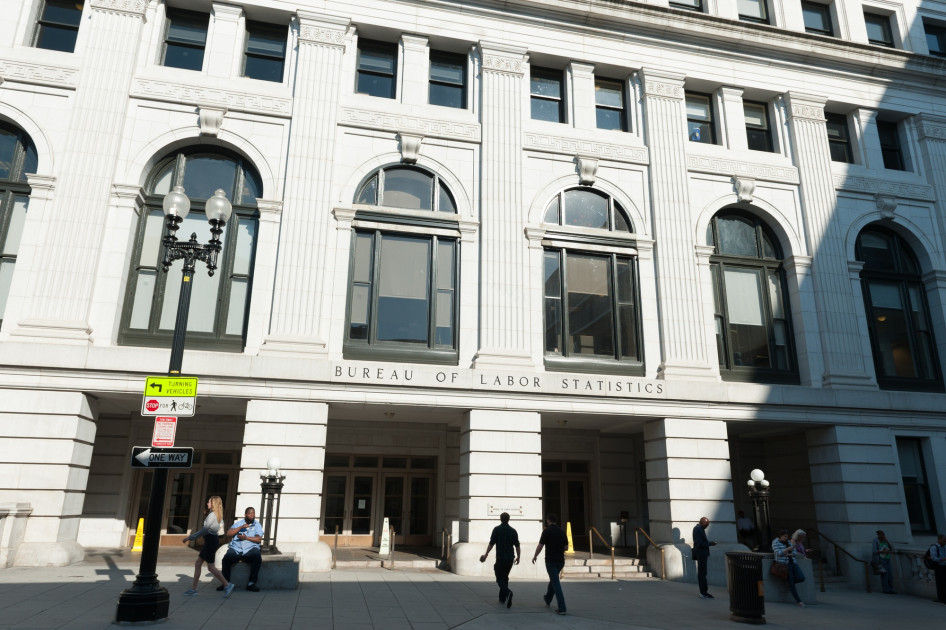
The second front is a war on facts themselves. Hours after the Bureau of Labor Statistics (BLS) released a jobs report that fell short of expectations, President Trump fired its commissioner, Dr. Erika McEntarfer. The President offered a stunningly blunt and constitutionally alarming justification for the firing:
“We fired her because we didn’t believe the numbers today.”
The BLS is the bedrock of our economic data; its independence and integrity are essential for a functioning economy. Markets, businesses, and Congress all rely on its statistics being accurate and apolitical.
To fire its leader for producing data the President “didn’t believe” is a direct assault on the agency’s purpose.
It is a violation of the President’s constitutional duty to “take Care that the Laws be faithfully executed,” twisting that duty into a demand for politically convenient outcomes.
This move was so blatant that it drew criticism even from typically loyal Republican senators. “It’s not the statistician’s fault if the numbers are accurate and that they’re not what the president had hoped for,” said Senator Cynthia Lummis.
Their shared fear is the correct one: if the public and the markets can no longer trust the government’s data, the entire system becomes dangerously unstable.
A Pattern of Control
These events do not stand alone. They are part of a systematic pattern of attempting to dismantle or intimidate any institution within the government that can act as an independent check on the President’s power or contradict his preferred narrative. This pattern includes the purging of independent inspectors general, the pardoning of January 6th rioters now reframed as “hostages,” and the public attacks on the judiciary.
A constitutional democracy can survive fierce disagreements over policy. What it cannot survive is the loss of a shared, verifiable reality. The war on our historical institutions and our statistical agencies is a war on the very concept of objective truth. A government that is untethered from facts is a government that has slipped the bonds of constitutional restraint, and that is a danger to every citizen.