
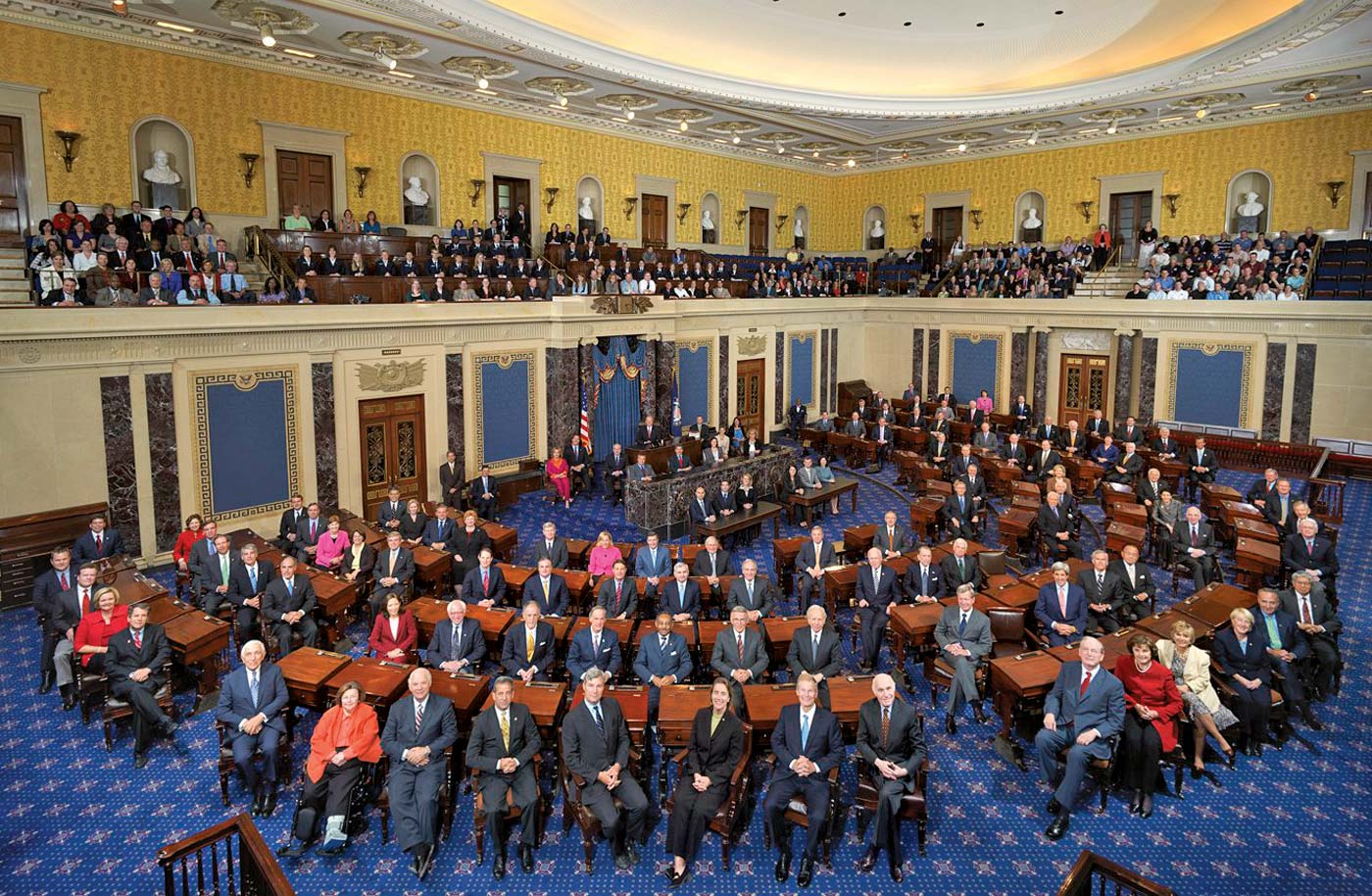
A House-approved election bill is headed for a Senate test vote, where it runs into the chamber’s familiar hurdle: the 60 votes typically required to cut off a filibuster. The stakes feel higher this week because President Donald Trump is publicly pressuring lawmakers ahead of the vote.
The proposal is the Safeguarding American Voter Eligibility (SAVE) America Act. Supporters say it would tighten election security and prevent noncitizens from voting in federal races. Critics counter that the documentation and identification requirements could make it harder for some eligible voters who do not have the necessary paperwork readily available.
What it does
The SAVE Act would change the rules around registering for, and voting in, federal elections. The bill’s provisions described in the reference focus on citizenship proof for registration and stricter voter ID rules.
- Citizenship documents: People registering for federal elections would have to show proof of U.S. citizenship.
- Stronger ID requirements: The bill would impose stricter voter ID rules.
Trump and allied Republicans frame the measure as a direct safeguard for federal elections.
House passed, Senate math
House Republicans passed the bill in February, and the vote largely split along party lines. In the Senate, the path is far narrower. Republicans have a 53–47 majority, but the bill would still need 60 votes to get through a filibuster, well beyond what the party can reach on its own right now.
Senate Majority Leader John Thune has signaled that the support to pass it is not there, and most Democrats are expected to vote no.
Thune put it this way: It’s about the math
, adding, And I’m, for better or worse, the one who has to be a clear-eyed realist about what we can achieve here.
Even so, Republicans are expected to press ahead with a vote, in part to put Democrats on record opposing the bill.
Trump turns up pressure

On Tuesday, Trump said he will not endorse any lawmaker who votes against the SAVE America Act, raising the political stakes as the Senate prepares to act.
In a Truth Social post Tuesday morning, Trump warned that opposition from either party would carry campaign consequences.
Trump wrote: The Save America Act is one of the most IMPORTANT & CONSEQUENTIAL pieces of legislation in the history of Congress, and America itself
and added, I WILL NEVER (EVER!) ENDORSE ANYONE WHO VOTES AGAINST ‘SAVE AMERICA!!!’
In that same post, Trump also linked the bill to a separate set of cultural and election flashpoints, including mail-in voting, transgender athletes and medical care for minors. Those issues reflect Trump’s messaging around the moment, while the bill’s described provisions focus on proof of citizenship for federal voter registration and stricter voter ID rules.
Trump wrote: No Men in Women’s Sports, No Transgender MUTILIZATION of our Children. 90% to 99% ISSUES ALL! Only sick, demented, or deranged people in the House or Senate could vote against THE SAVE AMERICA ACT. If they do, each one of these points, separately, will be used against the user in his/her political campaign for office - A guaranteed loss.
Trump has long advocated tighter election laws, elevating election integrity as a major theme of his 2024 campaign. He has also repeatedly questioned the results of the 2020 presidential race, which he lost to former President Joe Biden.
He has urged voters to contact their senators and support the legislation.
Filibuster options
Some conservatives want Republicans to force a talking filibuster or change Senate rules so the bill could pass with a simple majority. GOP leaders say they do not currently have enough support within their own conference to take either route.
Sen. Rick Scott, a supporter of the bill, said Republicans don’t have the votes for the talking filibuster right now
.
GOP divisions
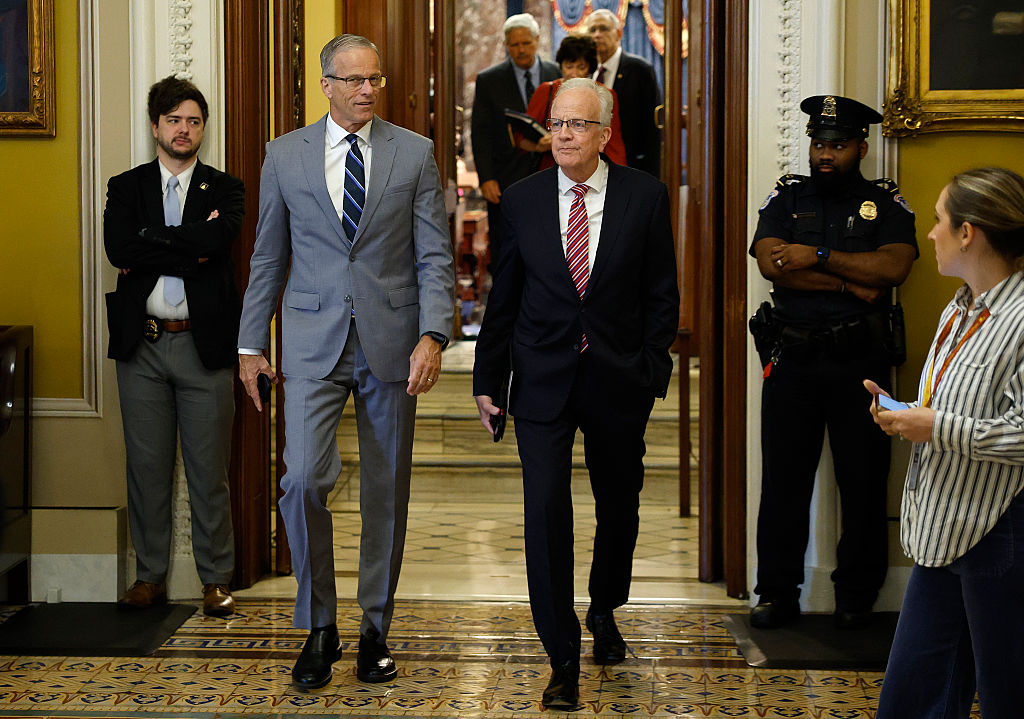
Republicans are not unified on the bill. A handful of GOP senators have raised concerns about how broadly it applies and whether it would impose wide federal requirements on election systems that are largely run by states.
Scope concerns
Sen. Thom Tillis has said he opposes the bill and plans to do everything I can to prevent it from even moving forward
. Tillis contends the bill is not limited to voter ID and says it risks putting Washington in charge of decisions that states typically make about running elections.
Sen. Lisa Murkowski has also said she is against the measure, arguing that new federal requirements could interfere with how states administer their elections.
Democrats oppose
Democrats say they plan to block the legislation, arguing it would suppress voting. Most Democrats are expected to oppose it, a reality that underpins the bill’s steep odds in a Senate where supporters would need 60 votes to overcome a filibuster.
What is next
Senate Republicans are still moving forward with a test vote on the SAVE America Act, even as Thune has acknowledged that the votes to pass it are not currently there under Senate rules. The vote sets up a public procedural clash, with Trump continuing to press lawmakers and GOP leaders weighing whether the push is mainly about messaging or a bigger fight over Senate process.