
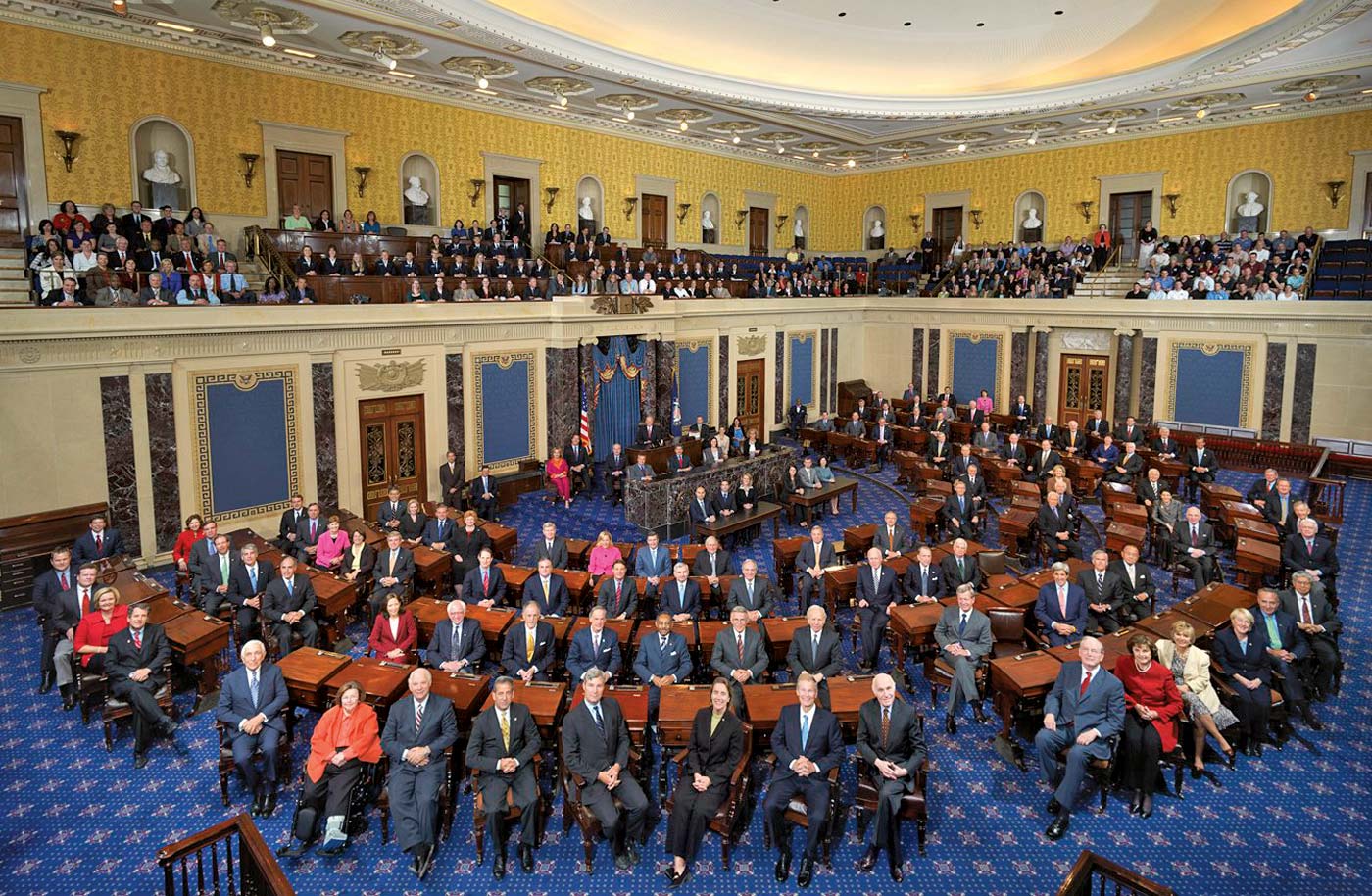
There are moments in American politics when the argument is not really about the bill in front of the Senate. It is about who can count votes, control the floor, and decide what kind of fight happens at all. This week’s clash over the Trump-backed Safeguarding American Voter Eligibility (SAVE) America Act is one of those moments.
Senate Republicans are gearing up for what Fox News Digital describes as a doomed floor fight over Trump-backed voter ID legislation. Even if it fails, GOP leaders want a roll call that puts Senate Democrats on record.
The first vote
Senate Republicans are preparing to bring the SAVE America Act to the floor, with Senate Majority Leader John Thune expected to launch the GOP’s floor strategy Tuesday afternoon. The first hurdle is procedural, not philosophical. Getting the Senate to take the initial step requires only a simple majority, and even that margin is thin enough that Vice President JD Vance could be needed to break a tie.
Thune has been blunt about the limitation. “It’s about the math,” he said. “And I’m, for better or worse, the one who has to be a clear-eyed realist about what we can achieve here. And so we’ll continue to convey that. And I think that we’re going to have the fight on the floor. We’re going to vote on this.”
No talking filibuster
Outside the Senate, some of the loudest voices on the right want a talking filibuster style showdown, and President Donald Trump and a fervent ecosystem of conservative influencers have pressed for it. But leadership is not taking that route.
The reason is straightforward: there is not enough support among Republicans to follow through. And part of the issue, beyond the staggering amount of floor time it would take up, is control. A talking filibuster approach can open the door to a messier amendment process, and the GOP is not unified enough to guarantee it can block Democratic amendments that could drastically alter the bill.
Sen. Rick Scott, one of the key voices pushing for the SAVE America Act in the Senate, put it plainly: Republicans “don’t have the votes for the talking filibuster right now.” He added, “We just got to, you know, we got to look at every way we can try to pass it.”
The strategy
So if passage is unlikely, why force the fight at all?
Because a failed bill can still produce a useful vote. Republicans’ plan is to put Senate Democrats on record voting down the legislation, then carry that roll call into campaign season as proof that Democrats blocked a voter ID measure.
Democrats are signaling they are ready to meet Republicans on that battlefield. Senate Minority Leader Chuck Schumer promised, “Democrats will not let Donald Trump ram this bill through the Senate. Not this week, not ever,” and added that Democrats would “make sure the American people have their chance to deliver their verdict at the elections this fall.”
The familiar modern pattern holds: the Senate becomes less a workshop and more a stage, and the audience is not the other party in the chamber. It is the voters back home.
GOP holdouts
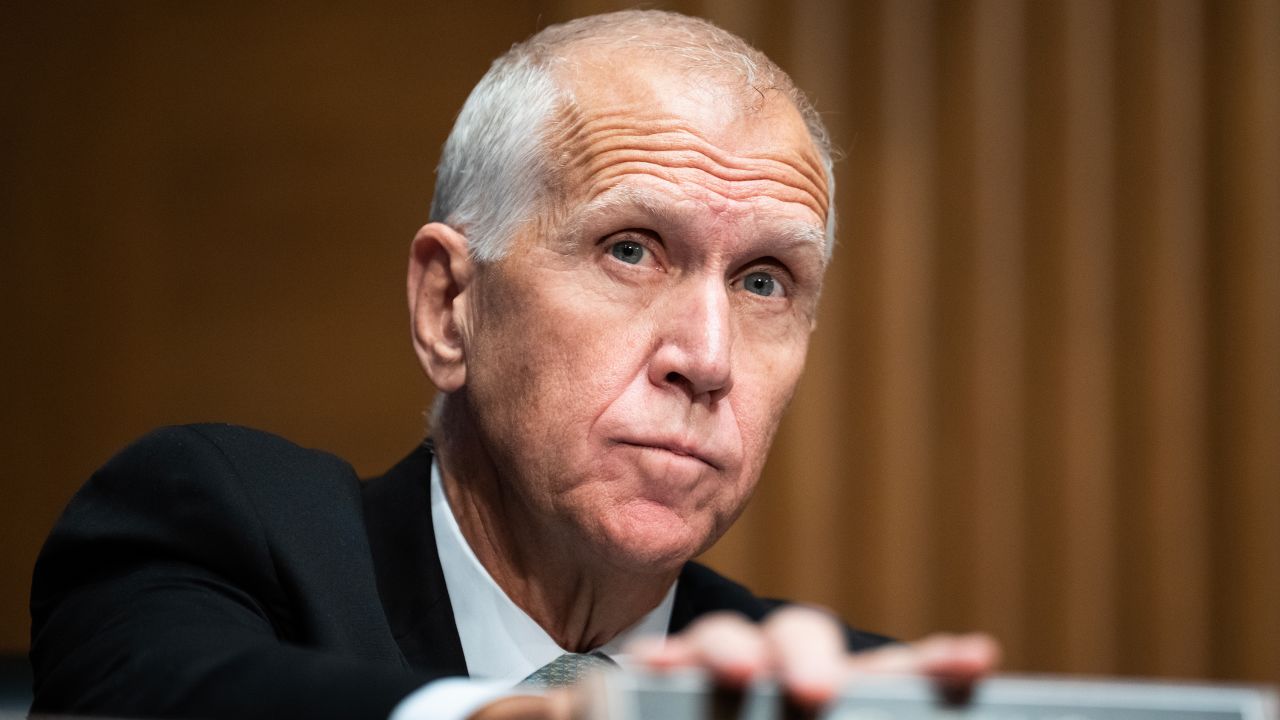
The most consequential friction here is not Democrat versus Republican. It is Republican versus Republican, and it matters because the margin is so thin.
Sen. Thom Tillis of North Carolina declared last week that he would not support the SAVE America Act and plans to “do everything I can to prevent it from even moving forward.” How that plays out during the floor fight, which could stretch over several days, remains to be seen.
Tillis’ objection is not framed as a rejection of voter ID in principle. He has said he would rather vote on legislation that incentivized states to adopt voter ID, and he has warned that additional changes Trump wanted, like barring men in women’s sports or halting mail-in ballots with limited exceptions, “doesn’t sound like we’re letting the people at the tip of the spear, that’s these people running for re-election, define what we should be voting on next week.”
Sen. Lisa Murkowski of Alaska came out early against the SAVE America Act and contended that “one-size-fits-all mandates from Washington, D.C., seldom work in places like Alaska.” She also issued a timing warning in February: “Election Day is fast approaching. Imposing new federal requirements now, when states are deep into their preparations, would negatively impact election integrity by forcing election officials to scramble to adhere to new policies, likely without the necessary resources.”
Whether Murkowski will vote to allow Republicans to open debate on the bill and march forward with their slew of amendments is still an open question. Fox News Digital did not immediately hear back from her office for comment.
A Democratic wildcard
Then there is Sen. John Fetterman of Pennsylvania, a Democrat who often bucks his party on key votes and likes the idea of voter ID. But he is not on board with some of the changes demanded by Trump.
Fetterman said on “Mornings with Maria” that the SAVE America Act was “needlessly complicated,” particularly Trump’s request to include a sweeping ban on mail-in ballots with limited exceptions.
“I have said it’s not Jim Crow, and it’s not extreme things, but mail-in voting is absolutely secure,” Fetterman said. “Some of the best examples in the country are red states like Florida and Ohio.”
House pressure
The Senate fight also threatens to spill across the Capitol. In the House, a rebellion is brewing among Republicans, with several GOP lawmakers threatening to vote against any legislation that comes out of the Senate until the SAVE America Act is passed. Given the circumstances, that could lead to a lengthy standoff.
Many of those threats first bubbled up earlier this month on a House GOP lawmaker-only call, following the U.S. and Israel’s joint strikes on Iran.
Rep. Derrick Van Orden of Wisconsin was among those pushing the House to reject any bills from the Senate until the measure was taken up, telling Speaker Mike Johnson, according to multiple sources on the call, “If we don’t get this done, or at least show that we’ve got some backbone, we’re done. The midterms are over.”
What to watch
- The opening step. If Republicans cannot stay together on the first procedural move, the story shifts quickly from Democrats blocking the bill to Republicans undermining their own plan.
- Amendment control. The more the process invites amendments that could drastically alter the bill, the harder it becomes for GOP leaders to keep the fight focused.
- The campaign use. Both parties are already treating the roll call as a fall talking point, regardless of outcome.
The SAVE America Act may be headed for defeat. But in this Congress, a loss can still be the product: a vote, a clip, a quote, and a line for the next campaign.