
To end a bloody and protracted war, one side simply gives the other what it has already taken by force. This is the stark, transactional logic at the heart of President Donald Trump’s renewed push for a “land for peace” deal between Russia and Ukraine.
But this seemingly straightforward solution is a geopolitical earthquake. It would not only redraw the map of Europe but would also transfer a staggering amount of natural resource wealth to Moscow – with profound consequences for global security, international law, and the American economy.
The proposal, which Ukrainian President Volodymyr Zelenskyy has flatly rejected, forces a brutal question: What is the true price of peace?
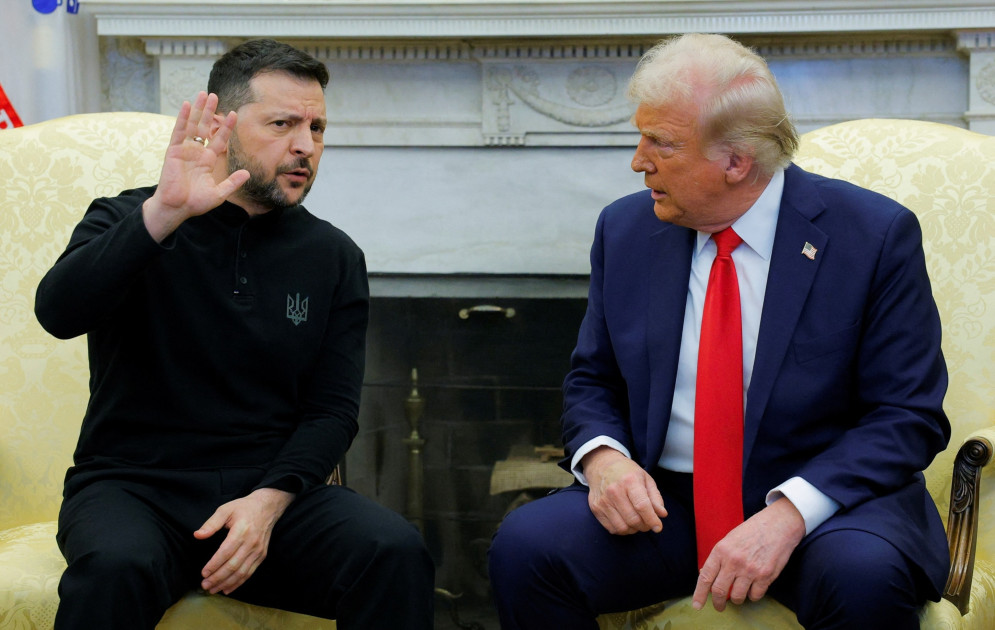
The Proposed Ukraine Land Swap At A Glance
- What’s Happening: President Trump has proposed a “land for peace” deal where Russia would keep the Ukrainian territory it currently occupies in exchange for an end to the war.
- The Territory: About one-fifth of Ukraine, including Crimea, primarily in the east and south.
- The Stakes: This land contains vast natural resources, including lithium, coal, rare-earth minerals, and offshore gas reserves, and is critical to Ukraine’s agricultural exports.
- The Constitutional Issue: A major test of the President’s foreign policy power under Article II versus the Senate’s power to ratify treaties.
A Trillion-Dollar Prize
The territory currently occupied by Russian forces is not barren wasteland. It is the industrial and agricultural heartland of Ukraine, containing a vast trove of natural resources estimated to be worth trillions of dollars.
Should a deal cede this land to Moscow, Russia would gain permanent control over some of Europe’s largest deposits of lithium and rare-earth minerals, which are essential for modern technology like batteries, microchips, and advanced defense systems. It would also seize massive reserves of coal and offshore natural gas.
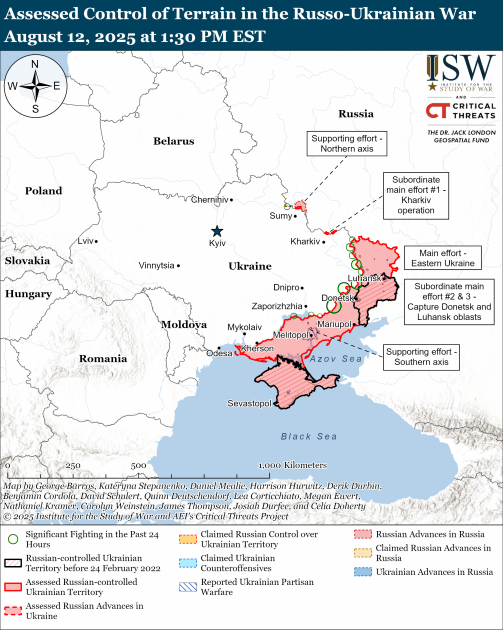
Furthermore, it would formalize Russia’s control over “Europe’s breadbasket,” giving it a stranglehold over a significant portion of the global food supply and crippling Ukraine’s ability to export its grain through the Black Sea.
“This wouldn’t just be a territorial concession; it would be the transfer of a nation’s future economic lifeblood, estimated to be worth hundreds of billions, if not trillions, of dollars.”
The Constitutional Power to Make a Deal
The President’s ability to propose such a radical solution stems from his immense constitutional authority in foreign affairs.
Under Article II, the President is the nation’s chief diplomat and Commander-in-Chief, giving him the primary power to negotiate with other countries and shape the course of international conflicts. This is why he can propose a deal and prepare for a high-stakes summit with leaders like Vladimir Putin.
But that power is not absolute. Any formal, binding agreement to end the war and officially redraw the borders of a sovereign nation would almost certainly be considered a treaty.
“The President has the undisputed power to talk, to negotiate, and to propose a deal. But the Constitution gives the Senate the final say on any formal treaty that would make that deal the law of the land.”
Under the Constitution’s Treaty Clause, any such agreement would require the “Advice and Consent” of a two-thirds supermajority in the Senate to be ratified. The President can shake hands on a deal, but he cannot finalize it alone.
The Global Chessboard
A “land for peace” deal would not happen in a vacuum. It would have immediate and dramatic consequences for the global balance of power.
Security analysts from the Institute for the Study of War warn that granting Russia control over these mineral deposits would directly benefit China. It would likely augment Beijing’s access to these strategic resources, cementing the economic and political alliance between America’s two greatest adversaries.
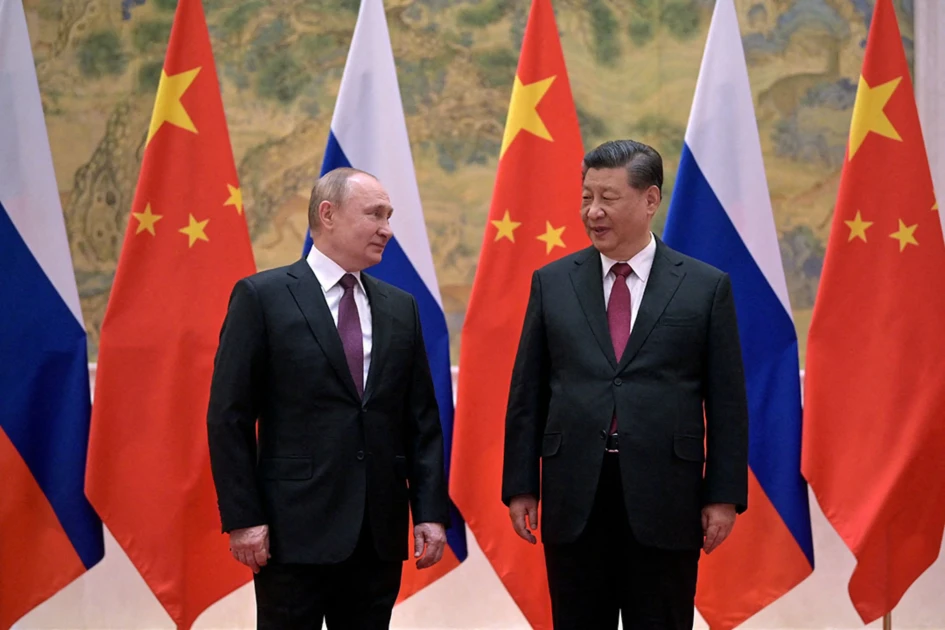
Such a deal would also undermine a recent U.S.-Ukraine mineral partnership, signed in April 2025, which was designed specifically to counter Chinese dominance in the critical minerals market.
Peace at What Price?
The President is exercising his constitutional authority to seek a diplomatic end to a brutal and costly conflict. However, the terms he has proposed would have revolutionary consequences.
The deal would effectively reward Russia’s military aggression, a move that critics argue would shatter the post-World War II norm against acquiring territory by force and could embolden other aggressors around the world.
It forces a national and global debate over the very nature of peace. Is an end to the fighting worth legitimizing conquest and transferring immense strategic and economic wealth to an adversary? The answer to that question will define international relations for decades to come.