
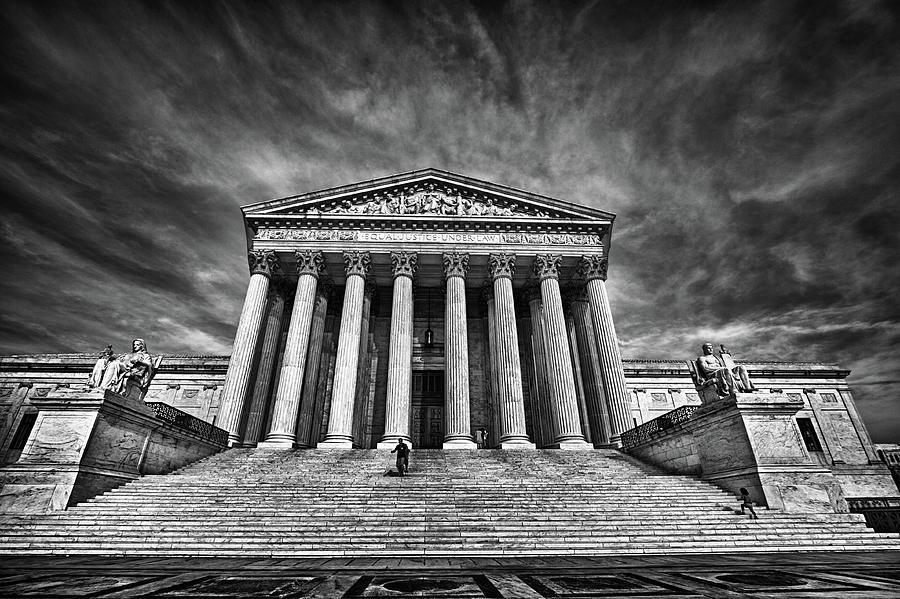
The nine justices of the Supreme Court are about to hear arguments in a case that could fundamentally redraw the map of power in Washington. The case, which the President has just framed as “literally, LIFE OR DEATH for our country,” is not about a social issue. It is about one of the oldest, most powerful, and most explicit powers in the entire Constitution.
On Wednesday, the high court will consider whether the President has the authority to unilaterally impose sweeping tariffs on America’s trading partners. The Trump administration is asking the justices to overturn lower court rulings that struck down his use of emergency powers to tax imported goods, setting the stage for a constitutional showdown of the highest order.
What is the President’s “Life or Death” Argument?
President Trump argues that this power is essential for the nation’s very survival. He claims that tariffs are a critical tool for “Economic Security” which, in his view, is an inseparable part of “National Security.”
“With a Victory, we have tremendous, but fair, Financial and National Security,” Trump wrote. “Without it, we are virtually defenseless against other Countries who have, for years, taken advantage of us.”
He points to his past trade disputes with China as proof that the threat of tariffs is a vital and effective presidential tool, one that he must be able to use “openly and freely.”
Why is This a True Constitutional Crisis?
This case forces a direct and profound collision between Article I and Article II of the Constitution. The framers, who had just fought a revolution over “taxation without representation,” were not subtle about who controls the nation’s wallet.
Article I, Section 8 explicitly grants Congress – and only Congress – the power “To lay and collect Taxes, Duties, Imposts and Excises” (tariffs) and “To regulate Commerce with foreign Nations.” This is one of the legislature’s most fundamental and jealously guarded powers.
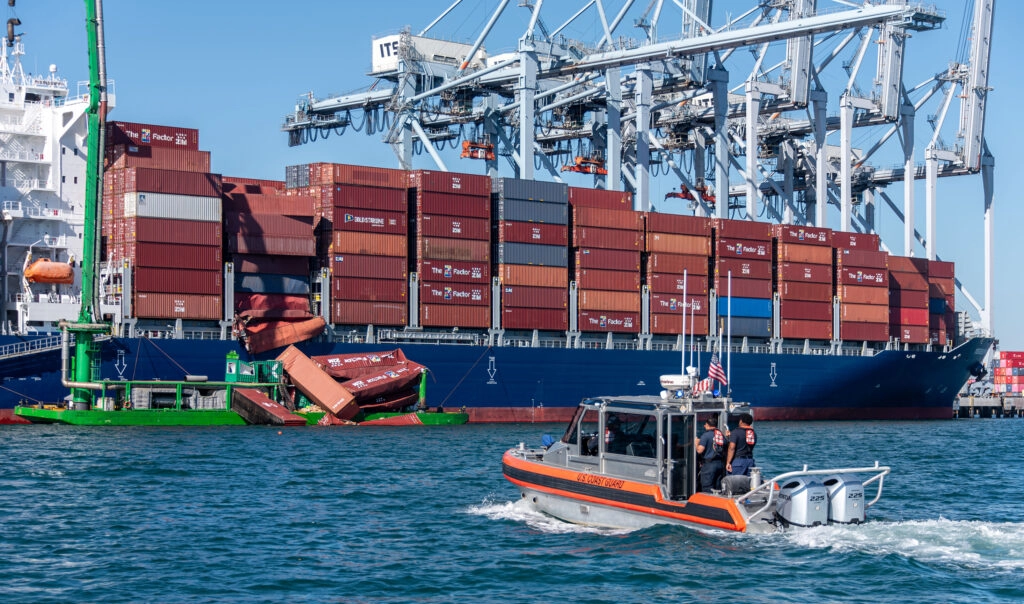
The President’s argument is a radical attempt to bypass this. He is claiming that he can use his Article II power as Commander-in-Chief to wield a power that the Constitution explicitly gave to a different branch, simply by relabeling a “tax” as a “national security” action.
What Law is the President Actually Using?
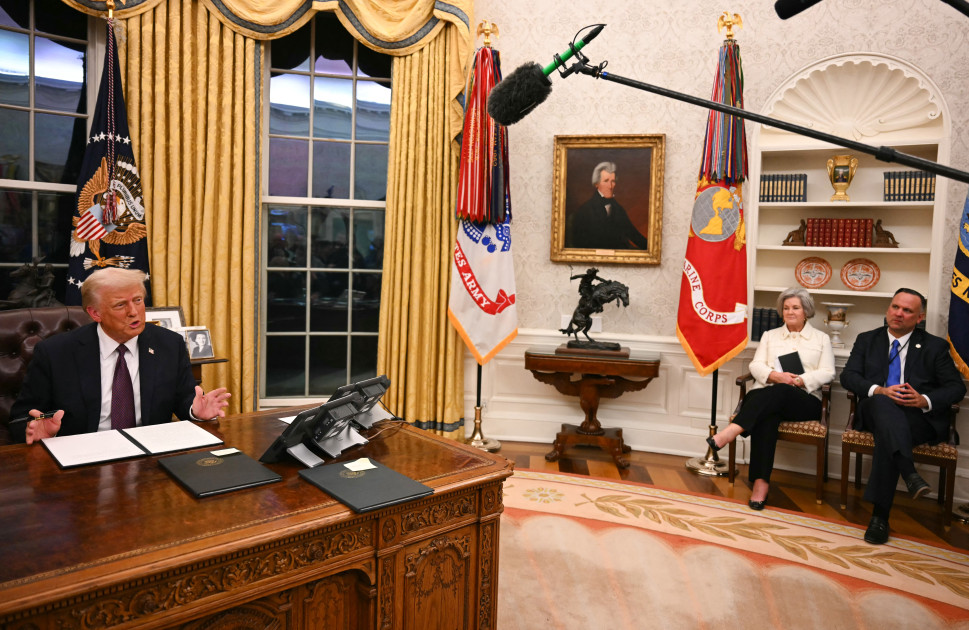
This is not just an abstract theory. The President has been imposing these tariffs by using the International Emergency Economic Powers Act (IEEPA), a 1977 law. This law was intended to give the president flexibility to respond to sudden, unforeseen crises, like freezing the assets of a hostile foreign regime or imposing sanctions on a terrorist group after an attack.
Legal experts and the lower courts that ruled against him have argued that it was never intended to be a “slush fund” or a blank check. They argue it was not designed for the president to create his own, long-term economic trade policy on a global scale, completely bypassing a vote from Congress.
What is the Supreme Court Actually Deciding?
The justices must now answer a question that goes to the heart of the separation of powers. They are not deciding if tariffs are good or bad economic policy. They are deciding who has the power to make that policy.
If the Court sides with the President, it will grant a massive, almost unchecked, new power to the executive branch. It would effectively affirm that a president can unilaterally impose a national tax on the American people, as long as he claims it is for “national security.”
If the Court sides with the lower courts, it will be a powerful reaffirmation of Congress’s “power of the purse.” It would be a major constitutional rebuke, reminding the White House that the power to tax and trade belongs to the legislative branch, just as the framers designed.