
The battle for the future of New York City’s traffic is heading for another major collision between state and federal power. President Trump has just renewed his promise to kill the city’s controversial congestion pricing plan, ordering his Transportation Secretary to once again find a way to terminate the program.
This is not just a political feud over a $9 toll. It is a high-stakes, constitutional test of American federalism. It forces a fundamental question: Does the federal government have the authority to kill a local program, approved by a state, by holding billions of dollars in critical infrastructure funding hostage?
What Is This Fight Actually About?
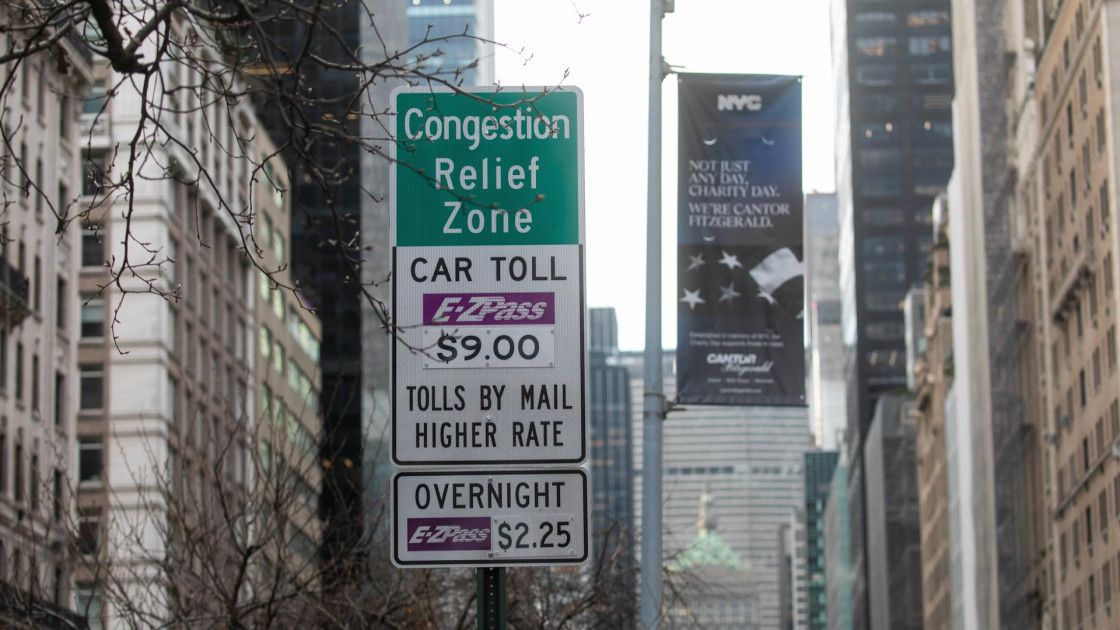
The first-in-the-nation program, which launched in January, charges most vehicles $9 to enter Manhattan below 60th Street during peak hours. New York’s governor, Kathy Hochul, argues the program is a wild success, reducing gridlock and raising a dedicated $500 million this year to finance $15 billion in bonds for mass transit upgrades.
President Trump, on the other hand, calls the plan “ridiculous,” claiming it’s turning Manhattan into a “ghost town.” This political battle, reignited just a day before the city’s mayoral election, is about two competing visions for urban America.
Can a President Kill a State Program?
This is where the constitutional drama begins. The President cannot simply, by decree, abolish a program created by the State of New York. The power to manage local roads and impose tolls is a classic “police power” reserved to the states under the 10th Amendment.
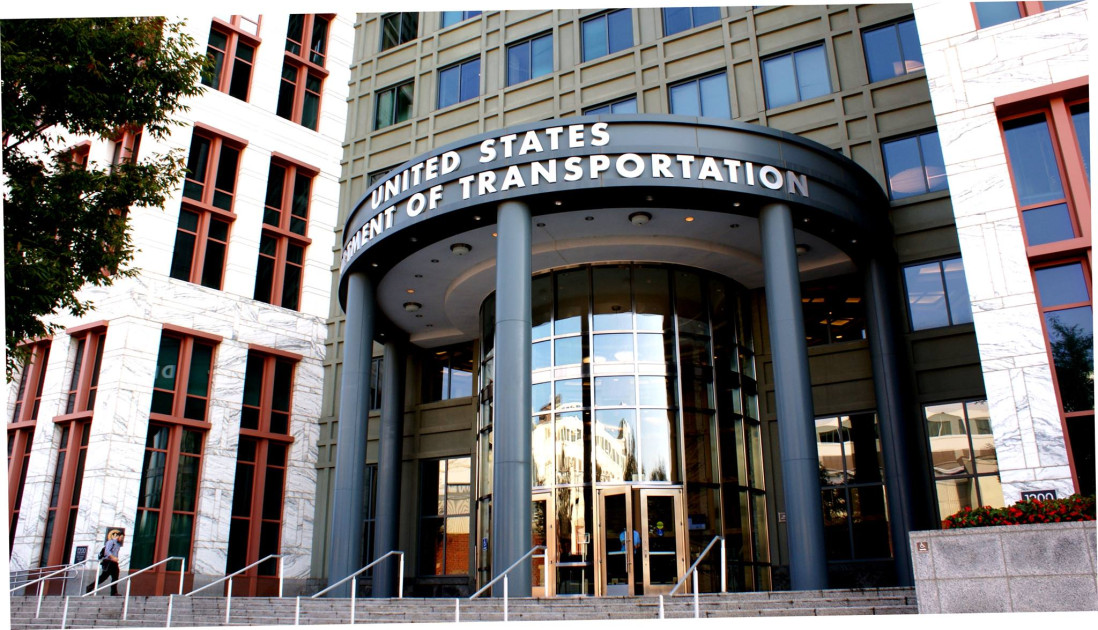
Knowing this, the administration has chosen a different weapon: the spending power of the federal government. Transportation Secretary Sean Duffy has previously threatened to withhold federal environmental approvals and project funding if the state did not abandon the program. The administration has already frozen $18 billion in federal funds for New York transit projects, including the vital $17.2 billion Hudson River tunnel.
A Federal Judge Steps In
The administration’s use of this power has already been checked by the judiciary. In May, U.S. District Judge Lewis Liman issued a preliminary injunction blocking the administration from withholding federal funds.
Judge Liman’s order is a powerful defense of the federalist system. The Supreme Court has long held that while Congress can attach conditions to federal funds, it cannot use that power in a “coercive” way that essentially forces a state to bend to its will on an unrelated issue. The judge’s ruling signaled that the administration’s threat to “terminate” a $17 billion tunnel project over a $9 toll likely crosses that constitutional line.
What Happens Next?
The President’s new directive to his Transportation Secretary is a direct challenge to Judge Liman’s authority, signaling that the administration plans to fight this battle all the way to the Supreme Court. Judge Liman, for his part, is expected to issue a final ruling on the merits of the case by the end of December.
This is a powerful, real-world lesson in the separation of powers. The President is wielding his executive authority to achieve a political goal. The state of New York is asserting its 10th Amendment rights. And the judicial branch is now acting as the constitutional referee, deciding just how far the federal government can go in using the “power of the purse” to dictate policy to a sovereign state.