
With a January 30 government shutdown deadline looming and a second fatal shooting in the Midwest fueling a congressional mutiny, the nation waited for a single word from the one man who determines the fate of the embattled Department of Homeland Security.
A Cabinet Under Siege
The pressure on the administration has reached a fever pitch following the death of Alex Pretti, a 37 – year – old ICU nurse and U.S. citizen. Pretti was killed during a chaotic confrontation between federal agents and protesters on Saturday, marking the second such fatality in Minnesota this month. The incident has transformed a policy dispute over “Operation Metro Surge” into a full – blown constitutional crisis regarding the use of federal force on domestic soil.
In the halls of Congress, the response has been swift and unforgiving. Minority Leader Hakeem Jeffries, flanked by over 140 House Democrats, has issued a blunt ultimatum: the Secretary of Homeland Security must go, or the administration will face a total legislative blockade.
These lawmakers have labeled the current leadership at DHS an “abject failure,” arguing that the department has abandoned its mission to protect citizens in favor of a “playbook of brutality.”
For the constitutional watchdog, this moment is a classic test of Article II discretion. The President has the sole authority to appoint and remove his Cabinet officers, a power intended to ensure the executive branch operates with a single, unified will. However, when the legislature uses the “Power of the Purse” to demand a resignation, the very foundation of the separation of powers begins to shake.
The President’s Verdict: “No”
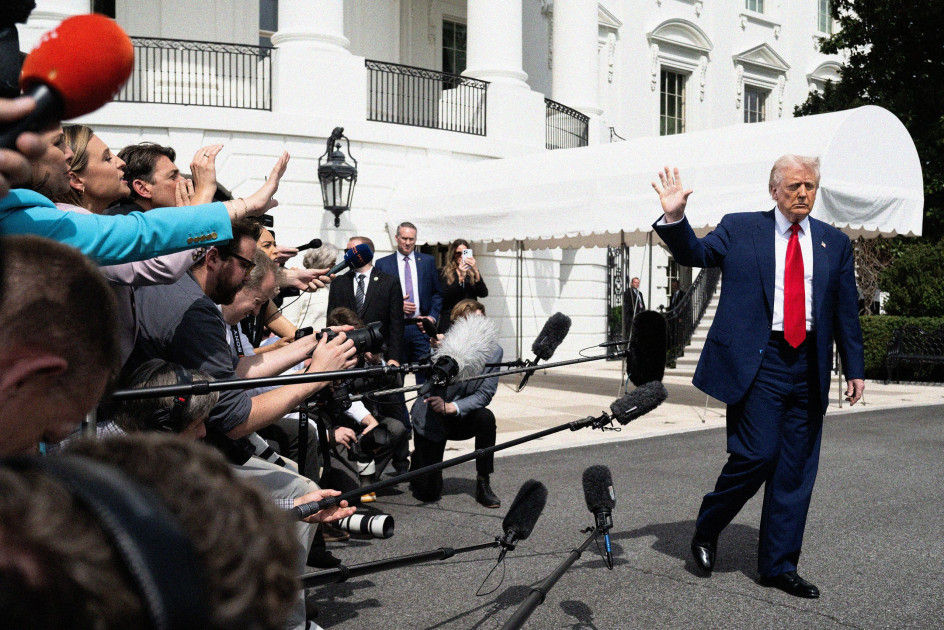
Despite the crescendo of calls for a resignation, President Trump signaled a total refusal to retreat during his Tuesday press briefing.
When asked directly if the Secretary would be stepping down, the President offered a definitive defense, stating that she is doing a “very good job” and asserting that the border is now “the most secure it has ever been in history.”
This public vote of confidence serves as a reinforced shield against the impeachment fever currently gripping the House. By doubling down on his appointee, Trump is asserting that the executive branch will not be dictated to by a “partisan mob.” He characterized the push for removal as an attempt by the “radical left” to sabotage the mandate he was given by the American people to restore law and order.
However, the President did offer one subtle concession regarding the recent violence. While the DHS had quickly labeled the deceased nurse a “domestic terrorist,” Trump told reporters he wanted to see a “very honorable and honest investigation” before making a final determination. This slight pivot suggests that while the Secretary’s job is safe, the administration is aware that the optics of a dead U.S. citizen require a more measured legal posture.
How We Got Here: The Ghost of Secretary Belknap
The attempt to remove a Cabinet official through legislative pressure or impeachment for “mismanagement” is a rare and difficult path in American history. Traditionally, the “Good Behavior” standard for judges is much harder to break than the “at – will” status of a Cabinet Secretary, yet Congress has rarely succeeded in forcing a President’s hand.
- 1876: William Belknap – The Secretary of War was impeached by the House for corruption regarding trading posts. He resigned to avoid the “shame” of the vote, yet the Senate held a trial anyway to establish their right to hold former officials accountable.
- 1924: Harry Daugherty – The Attorney General was forced out by President Coolidge only after a massive Senate investigation into the Teapot Dome scandal made his continued presence a political impossibility.
- 2024: Alejandro Mayorkas – The first Cabinet Secretary in nearly 150 years to be impeached, though the Senate dismissed the charges without a trial, citing a lack of “high crimes.”
- 2026: The Current Conflict – Unlike the Mayorkas case, which focused on “neglect of duty,” the current charges against the DHS involve active constitutional violations and the death of citizens, raising the legal stakes significantly.
The “James” perspective is that we are witnessing a return to the “Belknap Standard,” where the House attempts to use the impeachment process not just to remove an official, but to put an entire administration’s policy on trial before the American people.
The “Border Czar” and the Shadow Cabinet
While the President is publicly defending the Secretary, his tactical moves suggest a lack of total confidence in the department’s current handling of the Midwest crisis. Earlier this week, Trump deployed “Border Czar” Tom Homan to Minneapolis to take direct “operational control” of the enforcement surge.
This move effectively bypasses the normal chain of command within the DHS, placing a trusted loyalist in charge of the most volatile region in the country. Concurrently, reports indicate that Gregory Bovino, the Border Patrol chief who had become the public face of the Minnesota operation, is being reassigned.
- The Homan Factor: By sending Homan, the President is signaling that “Operation Metro Surge” will continue, but under a more disciplined and direct line of authority.
- The Accountability Gap: Critics argue that by creating “Czar” positions that are not Senate – confirmed, the administration is further insulating its most controversial policies from congressional oversight.
The Sovereignty Collision: A Nation of States?
As the President asserts his authority to keep his Secretary in place, he is also fighting a reargued battle against the state of Minnesota. The Supremacy Clause of Article VI is being used as an absolute shield for federal agents, but the state continues to argue that the 10th Amendment forbids the use of federal force as a tool for “political extortion.”
The controversy surrounding a letter from Attorney General Pam Bondi – which allegedly linked the end of the ICE surge to the state surrendering its voter rolls – has become the primary evidence for the “rogue” nature of the DHS. If the administration continues to fund the surge while refusing to fire the Secretary, they risk a total collapse of the cooperative federalism that has historically governed immigration enforcement.
“The President is acting chaotically and unlawfully,” warned Senator Tim Kaine, “and we shouldn’t give his deranged decisions the imprimatur of congressional approval.”
A Constitutional Collision Course
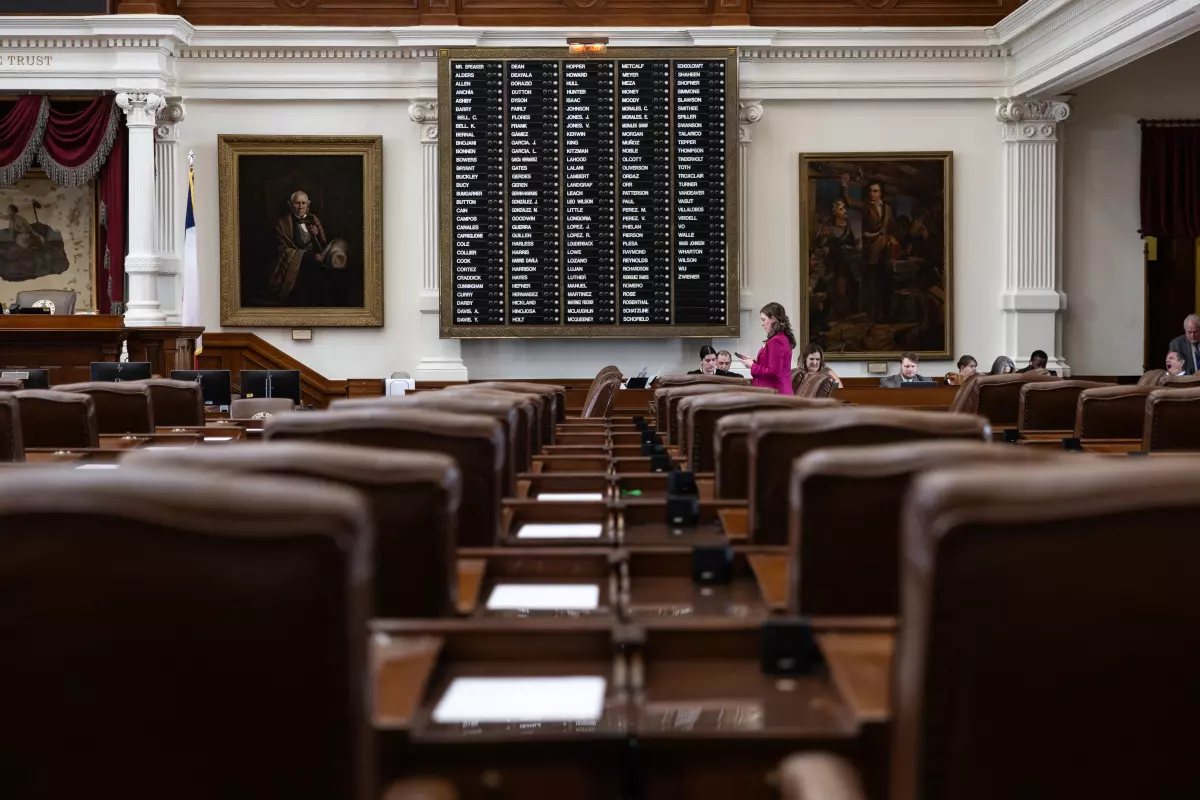
The refusal of the President to accept a resignation has set the stage for a Government Shutdown on January 30. Senate Democrats have made it clear: no new head of DHS, no new funding for the agency. This is the “hard way” that Minority Leader Jeffries promised – a direct confrontation between the President’s Article II removal power and the Legislature’s Article I control over the national treasury.
If the DHS goes dark, the agents currently patrolling the streets of Minneapolis will be forced to work without pay, further heightening the tension on the ground. The President is betting that the American people will blame Congress for “defunding law enforcement,” while Democrats are betting that the public has seen enough “dystopian scenes” to demand a change in leadership.
The resolution of this standoff will determine if a Cabinet Secretary is accountable to the Constitution, to Congress, or solely to the man in the Oval Office. For now, the President has drawn a line in the sand, and the “Power of the Purse” is the only weapon left in the hands of a frustrated legislature.