
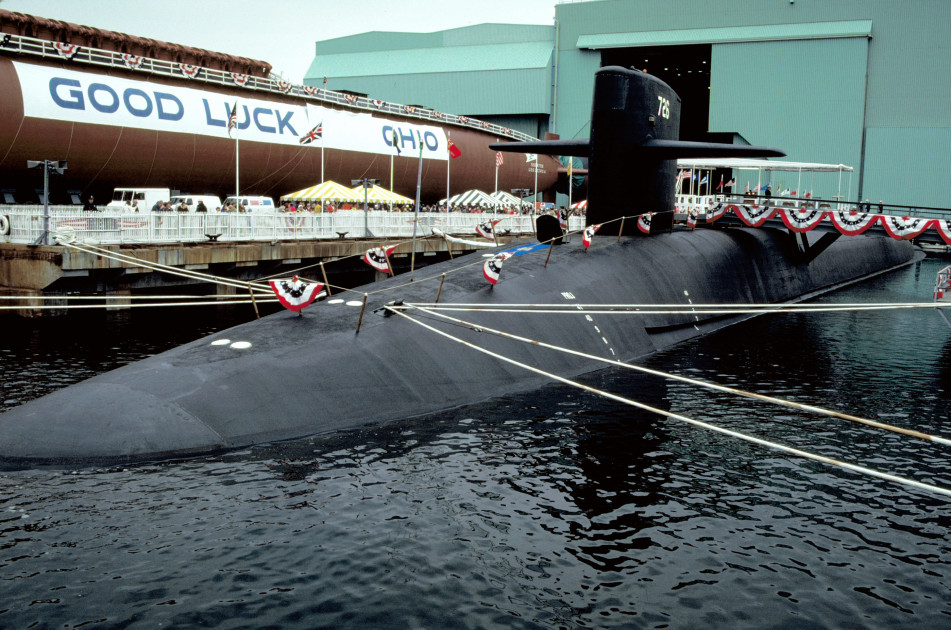
In a stark and sobering social media post on Friday, the President of the United States announced he had “ordered two Nuclear Submarines to be positioned” in response to “highly provocative statements” from a top Russian official. This is not a routine military update. It is a raw and unfiltered demonstration of the most awesome and solitary power granted to a president by the Constitution: the direct command of our nuclear forces.
This act, announced to the world not through diplomatic channels but on a social media platform, is a profound test of the modern Commander-in-Chief’s power. It highlights the immense authority vested in a single individual and the fragile nature of the constitutional checks and balances in an age of instant communication and nuclear weapons.
A War of Words, A Movement of Warheads
The immediate context for this presidential directive is a rapidly escalating war of words between Washington and Moscow. Earlier in the week, President Trump dramatically shortened his deadline for Russia to agree to a peace deal in Ukraine, moving from 50 days to just 10 or 12.
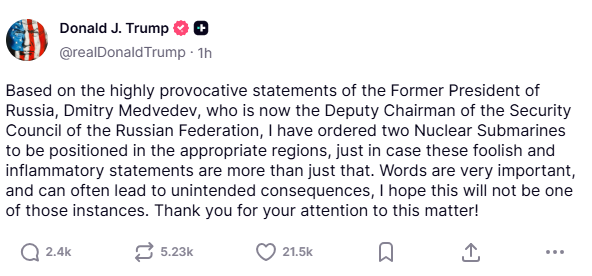
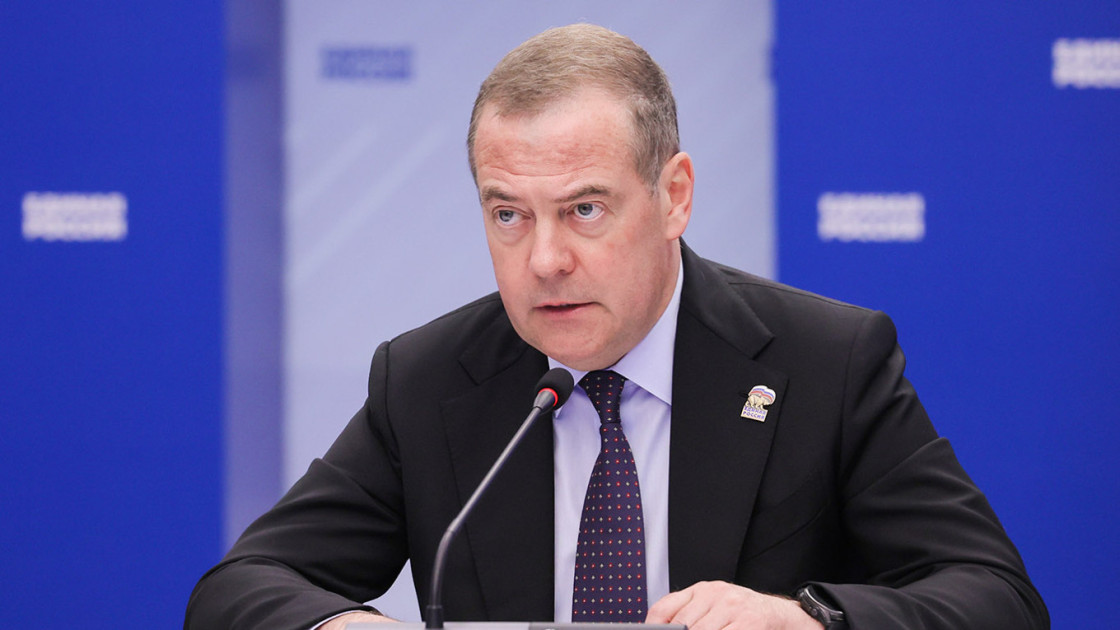
In response, Dmitry Medvedev, the former Russian president and current deputy chairman of Russia’s Security Council, issued a direct warning. He called Trump’s ultimatum a “step towards war… with his own country.” It was this statement that President Trump cited as “foolish and inflammatory,” leading directly to his order to reposition the submarines as a clear and unmistakable signal of American resolve.
The President’s Unchecked Power
This presidential action is a powerful lesson in constitutional reality. Under Article II, the President is the “Commander in Chief of the Army and Navy of the United States.” This clause grants the president the vast and unambiguous authority to command and deploy military forces. He does not need to ask for congressional permission to move a submarine.
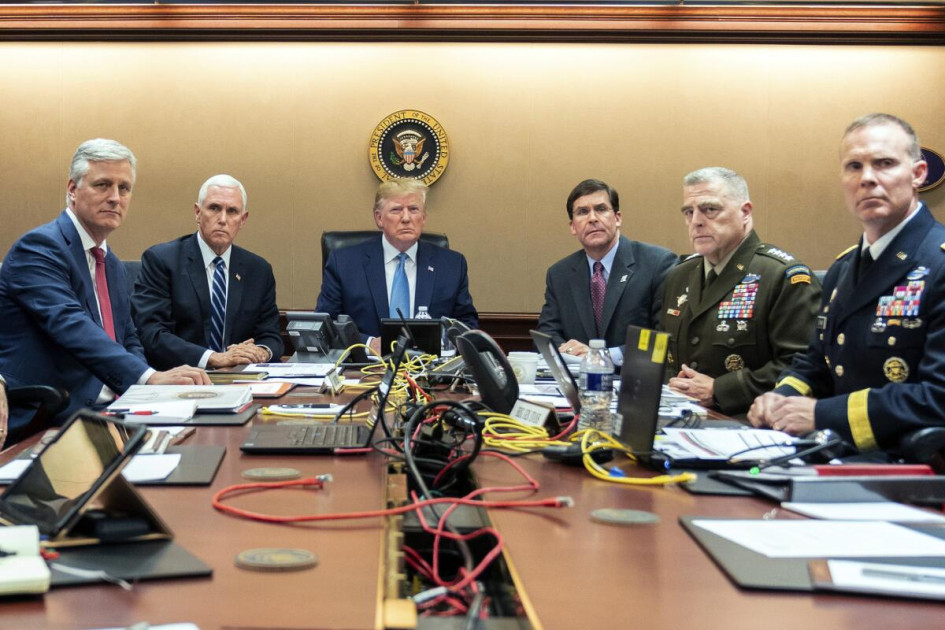
In the nuclear age, this has resulted in a concentration of power far beyond anything the framers could have conceived. A single individual now holds the authority to make decisions that could lead to a conflict capable of ending civilization. While Congress retains the sole power to formally “declare War,” the President, as Commander-in-Chief, holds the practical power to bring the nation to the very brink of one.
Brinkmanship in the Digital Age
While the President has the clear authority to command the military, the decision to announce that command on social media is a new and dangerous form of public brinkmanship.
“Words are very important, and can often lead to unintended consequences,” Trump wrote in his post. “I hope this will not be one of those instances.”
This is the central paradox of this moment. The President is acknowledging the danger of inflammatory words while simultaneously using a public post about the movement of nuclear weapons to counter them. This is a stark departure from traditional, Cold War-era diplomacy, which was often conducted through secret, back-channel communications precisely to avoid public panic and the risk of miscalculation. Conducting nuclear diplomacy via a public social media post is a high-risk gamble that leaves little room for ambiguity or de-escalation.
The President’s order is a powerful reminder of the immense and solitary power vested in the American presidency. Congress may hold the constitutional authority to declare war, but in a crisis, the Commander-in-Chief holds the power to move the pieces on the global chessboard. The repositioning of two nuclear submarines is a sober reminder that in our modern age, the fate of the world can be influenced by a single social media post—a reality that places an almost unimaginable weight on the judgment and temperament of the individual who holds the office.