
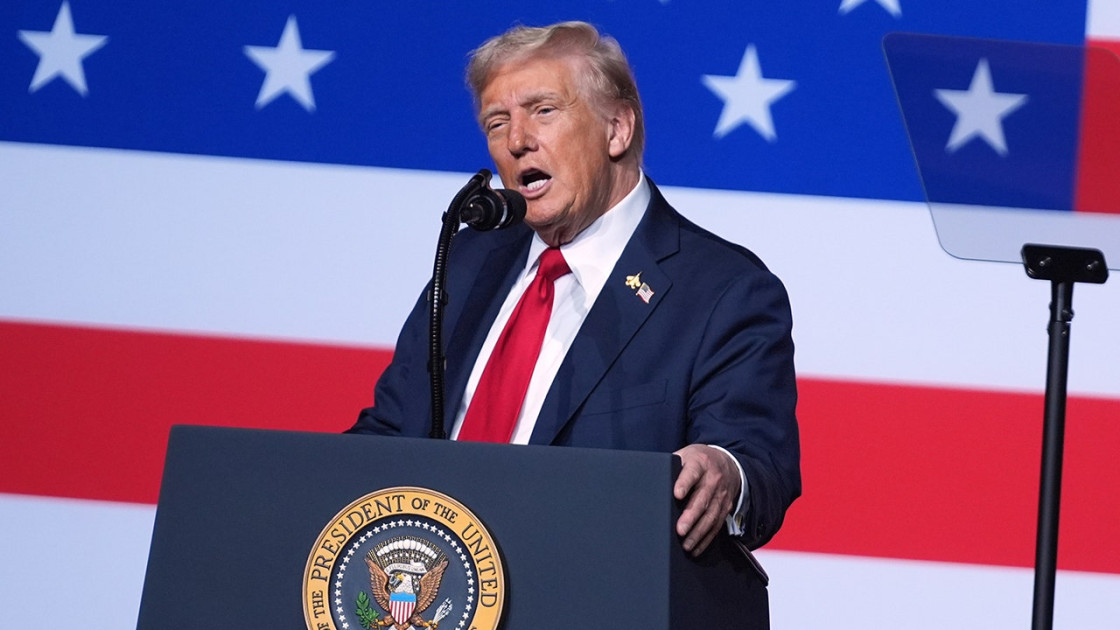
President Trump stood before 800 generals and admirals at Quantico on Tuesday and declared the military would end “political correctness” and return to merit-based standards focused on “fitness, ability, character, and strength.” He praised Pete Hegseth’s speech condemning “fat troops” and demanding physical excellence from military personnel at every rank.
Then critics pointed out that Trump himself never served in the military despite being draft-eligible during one of the bloodiest years of the Vietnam War. He received five deferments – four for college, and a fifth for bone spurs he later described as “temporary” and couldn’t remember when they stopped bothering him.
The contrast between demanding military fitness standards and avoiding military service through medical deferments has reignited long-standing questions about Trump’s authority to reshape military culture.
The Four College Deferments That Delayed the Draft
Trump attended Fordham University for two years before transferring to the University of Pennsylvania’s Wharton School of Business, graduating in 1968. Throughout his college years, he received student deferments that exempted him from the draft – a legal and common practice during the Vietnam era.
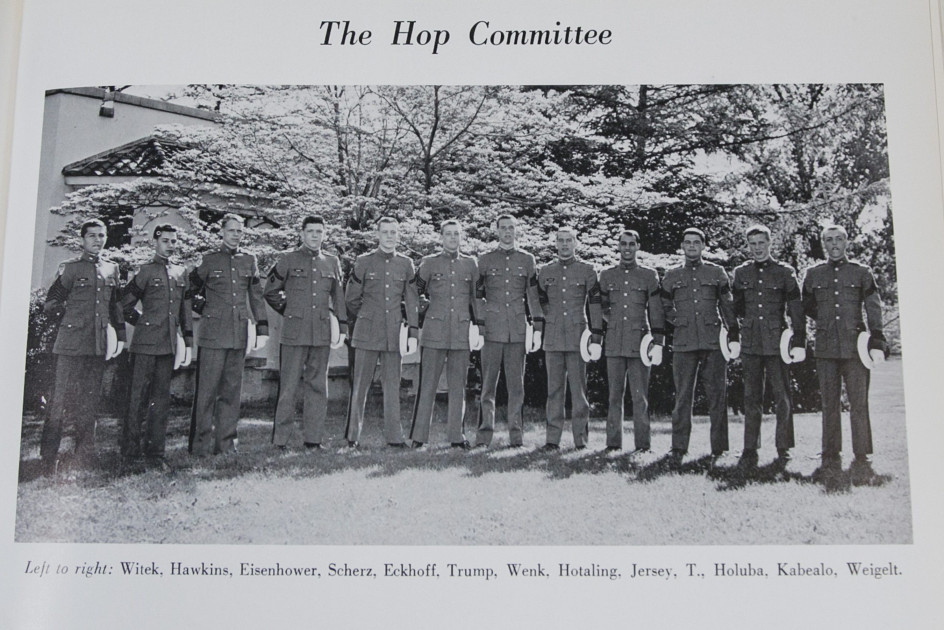
By spring 1968, Trump was 22 years old, stood 6 feet 2 inches tall, and sported what contemporaries described as an athletic build developed through football, tennis, squash and golf. He had attended New York Military Academy during high school, where he thrived in the structured military-style environment and held leadership positions in the cadet corps.
After graduation, Trump would finally be eligible for the draft. The deferments that protected him during college would expire. And 1968 was one of the deadliest years of the Vietnam War, with the United States deploying roughly 300,000 additional troops to Southeast Asia.
Trump appeared healthy, physically capable, and trained in military discipline from his academy years. By every observable measure, he would have been an acceptable candidate for military service.
Then came the bone spurs diagnosis.
The Fifth Deferment That Avoided Vietnam
In the spring of 1968, just as Trump was completing his degree at Penn, he received a medical diagnosis that would exempt him from military service: bone spurs in his heels. The diagnosis resulted in a 1-Y medical deferment that fall – a classification meaning he would only be called to service in national emergency or wartime mobilization.
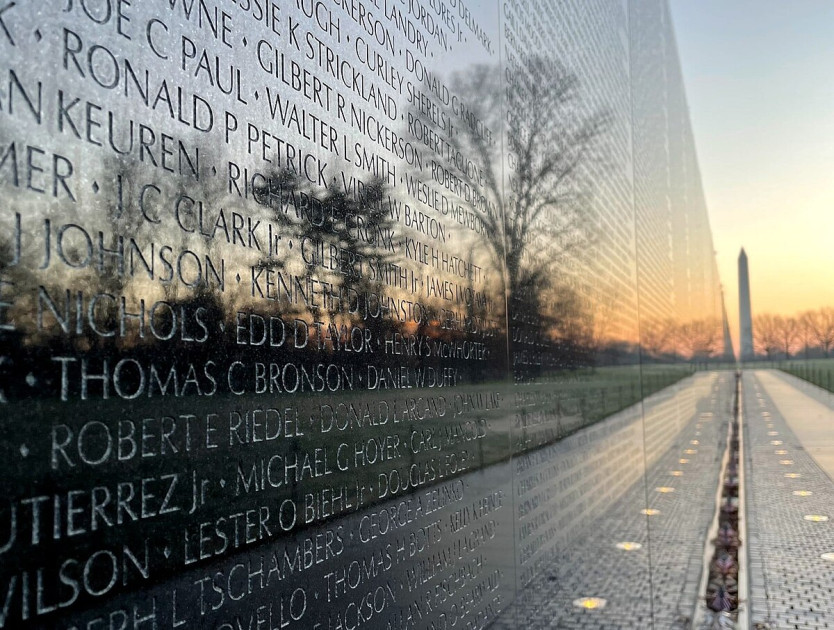
Since the United States was already at war in Vietnam and still issuing 1-Y deferments, the practical effect was exemption from service. Trump would not be drafted. He would not deploy to Southeast Asia. He would not face the combat that killed over 16,000 American service members in 1968 alone.
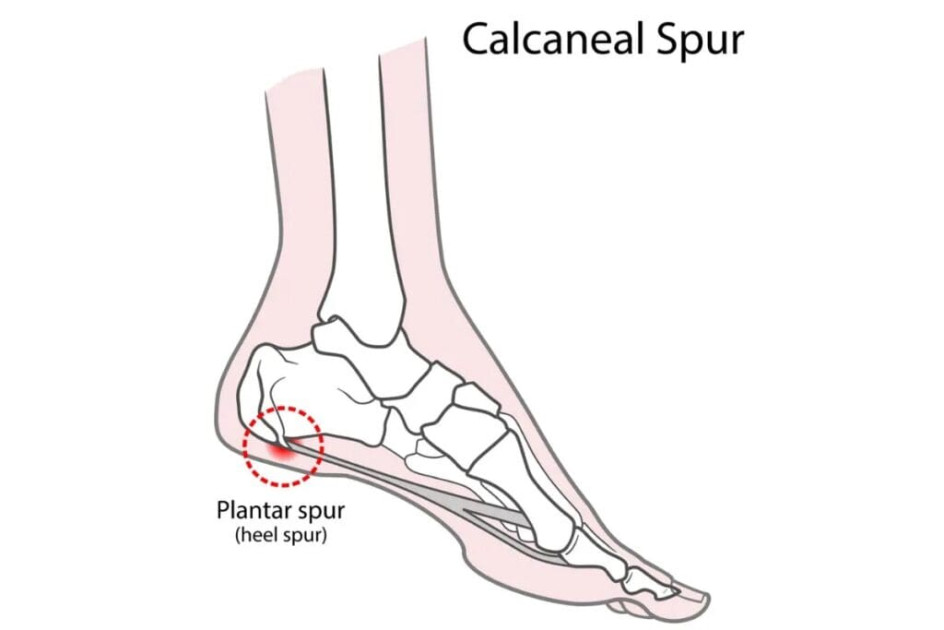
Bone spurs – also called osteophytes – are bony lumps that develop on bones or around joints. They can cause pain and limit mobility, though severity varies considerably. Some people with bone spurs experience chronic debilitating pain. Others have mild discomfort that doesn’t significantly impact daily activities.
Trump told The New York Times in 2016 that his bone spurs were “temporary” and that “over a period of time, it healed up.” He said he had a doctor who gave him “a very strong letter on the heels” but couldn’t remember the doctor’s name and didn’t provide a copy of the letter.
He couldn’t recall when he stopped experiencing symptoms or whether the condition ever required treatment beyond the diagnosis that exempted him from military service. The bone spurs were severe enough to disqualify him from the draft in 1968 but apparently mild enough that he doesn’t remember when they stopped being a problem or what treatment he received.
The timing raised questions then and continues to raise them now. A young man who played multiple sports throughout college suddenly developed disqualifying heel problems just as his student deferments expired and draft eligibility began. The condition was documented sufficiently to satisfy military medical examiners but apparently resolved on its own without surgery or significant treatment.
Critics suggest the diagnosis was convenient rather than legitimate – a way for a wealthy young man with connections to avoid service that working-class Americans couldn’t escape. Defenders argue that questioning any medical diagnosis without access to records is unfair speculation about conditions that genuinely affect people’s physical capabilities.
What remains undisputed is that Trump received five deferments that kept him out of military service during the Vietnam War, and his only experience with military structure comes from a private boarding school rather than actual service.
The Authority Gap That Tuesday’s Speech Exposed
When Trump told the assembled generals that the military would no longer tolerate people “totally unfit to be doing what you’re doing,” he was speaking to officers who’ve spent decades in uniform. Many have combat deployments. Some have been wounded in action. All have demonstrated the physical fitness, leadership capability, and professional competence required to rise through military ranks to flag officer positions.
Trump’s personal military experience consists of attending a military-style boarding school as a teenager and receiving deferments that kept him out of actual service.
When Pete Hegseth condemned “fat troops” and demanded that “fat generals and admirals” be held to higher physical standards, he was speaking from experience as an Army infantry officer who deployed to combat zones. His criticism came from someone who met those standards himself.
Trump’s endorsement of that message – “He gave a great speech. I thought great speech” – came from someone who avoided military service during wartime through medical deferments for a condition he later described as temporary and can’t remember resolving.
The authority gap is what critics seized on. Social media responses reflected the tension between demanding military excellence and having personally avoided military service.
“I have faith in the United States Military to do the right thing not what Donald Trump wants them to do, they will not hold American’s at gun point for this chicken s— draft dodger,” one person wrote on X.
Another commented: “I served for over 38 years in the military, and I wouldn’t accept an unlawful order from this worthless piece of draft dodging, s—.”
The Draft Dodger Label That Won’t Go Away
Trump isn’t technically a draft dodger – that term refers to people who illegally avoided service through desertion, failure to register, or fleeing to other countries. Trump used legal deferment mechanisms available to college students and people with disqualifying medical conditions.
But “draft dodger” has become shorthand for anyone who avoided Vietnam service through means viewed as illegitimate or convenient rather than genuine necessity. The distinction between legal deferments and illegal draft evasion matters less in political rhetoric than the perception that wealthy, connected young men found ways to avoid service while working-class Americans who couldn’t afford college or access to compliant doctors got drafted and deployed.
Trump’s multiple deferments – particularly the medical one that came just as student protections expired – fit the pattern of privileged avoidance that generates the “draft dodger” label regardless of technical legality.
That label creates political vulnerability when demanding military cultural transformation. It’s difficult to credibly lecture career military officers about warrior ethos and fitness standards when your own relationship with military service consists of avoiding it.
Former Vice President Joe Biden also received student deferments during Vietnam and later a medical deferment for asthma. President Bill Clinton used student deferments and sought to join ROTC programs he never actually participated in, generating similar draft avoidance controversies. These examples don’t make Trump’s deferments more legitimate – they demonstrate that Vietnam-era draft avoidance by political figures has generated criticism across party lines for decades.
The difference is context. Biden and Clinton didn’t stand before military leaders demanding cultural transformation focused on physical fitness while condemning people unfit for military service. Trump did, creating the contrast that his critics exploited.
The Speech That Included More Than Military Reform
Trump’s Quantico address wasn’t limited to military culture and fitness standards. He repeated false claims that he’s ended seven wars during his second term, raged about Joe Biden’s use of an autopen for signatures, falsely claimed again that the 2020 election was “rigged,” gushed about his affection for firefighters, revealed that “tariff” is his favorite word in the dictionary, and complained about the “aesthetic” of certain naval vessels.
The speech wandered through topics with the associative logic Trump’s supporters characterize as authentic communication and critics describe as rambling incoherence. At 79 years old, Trump’s speaking style hasn’t changed – he’s always communicated through tangential connections, repetitive emphasis, and abrupt topic shifts.
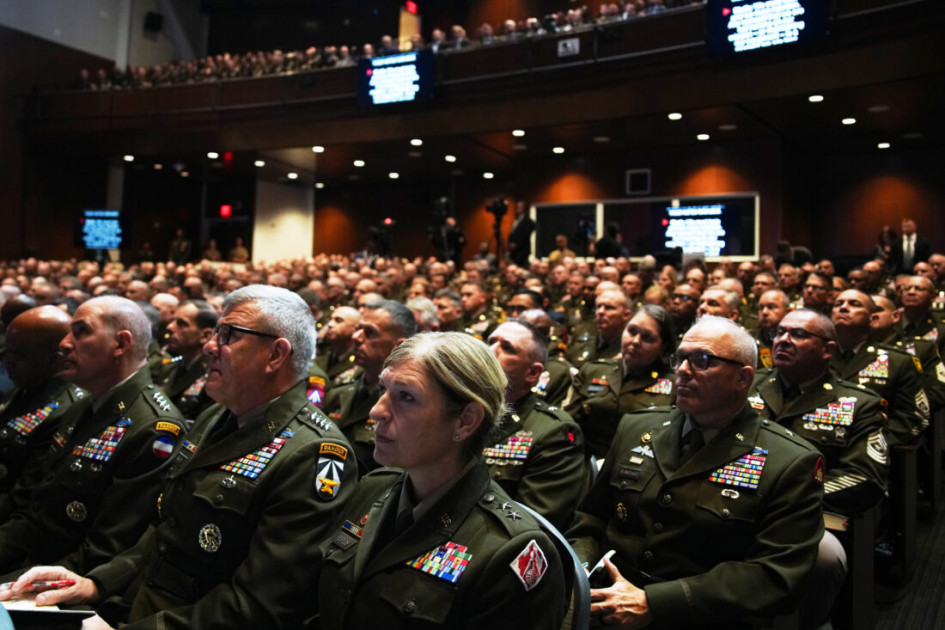
What made Tuesday’s speech notable wasn’t the rambling style but the audience. These were the top military commanders from around the world, summoned on short notice for what Hegseth kept secretive until the actual address. They sat listening to the commander-in-chief discuss tariffs and aesthetics while also announcing that cities would serve as “training grounds” for military forces and that troops should “hit” protesters who spit at them.
The speech revealed how Trump views military leadership – not as independent professionals with constitutional obligations, but as subordinates who should implement his vision without questioning its legality, strategic wisdom, or constitutional boundaries.
Why Military Service Matters for Commander-in-Chief Authority
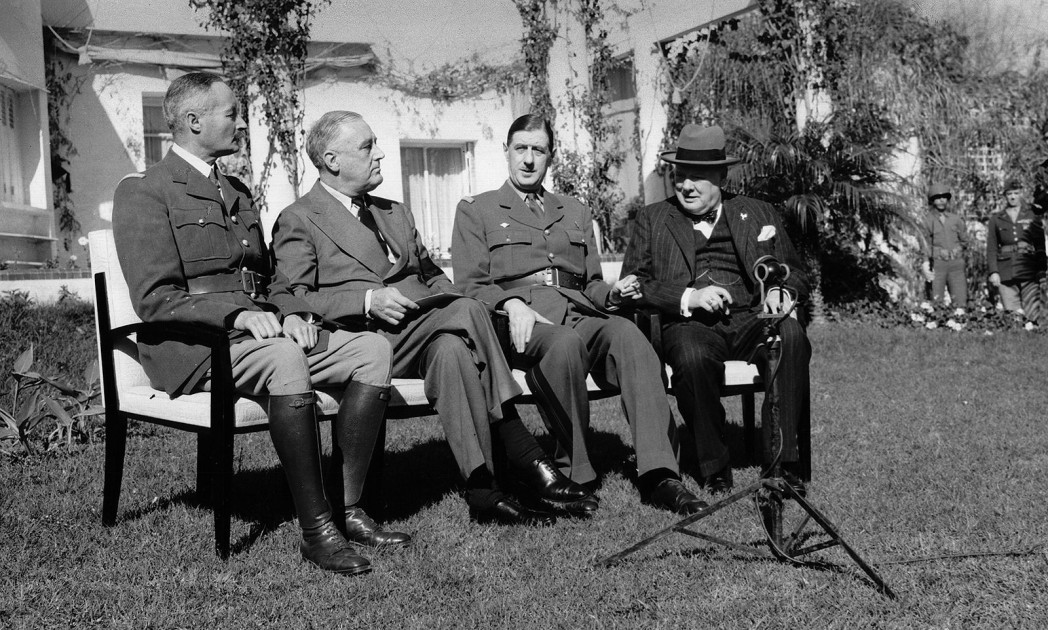
The United States doesn’t require presidents to have military experience. Many effective commanders-in-chief never served. Franklin Roosevelt led the nation through World War II from a wheelchair without military service. Abraham Lincoln’s brief militia service during the Black Hawk War gave him no meaningful military experience, yet he guided the Union through the Civil War.
What those presidents had was respect for military expertise and willingness to defer to professional military judgment on operational matters while maintaining civilian control over strategic direction. They understood their role as setting policy objectives while allowing generals to determine how to achieve them.
Trump’s approach is different. He views military expertise as another form of “political correctness” that needs disrupting. His selection of Pete Hegseth – someone with platoon-level combat experience but no senior command background – signals preference for ideological alignment over institutional knowledge.
His own lack of service matters in this context because it means he has no personal understanding of military culture, unit cohesion, or the complex relationship between physical standards, operational effectiveness, and force composition. He’s making sweeping judgments about what makes effective military forces without experience in those forces beyond attending a private boarding school six decades ago.
The generals sitting in that auditorium have collectively centuries of military experience. They understand operational realities, strategic constraints, and constitutional boundaries in ways Trump doesn’t. But they’re being told to implement his vision while being reminded through Hegseth’s “warrior ethos” framing that resistance equals toxic leadership deserving termination.
The Bone Spurs That Keep Coming Up in Political Debates
Every time Trump addresses military issues, particularly when criticizing military leadership or demanding cultural change, his Vietnam deferments resurface. The bone spurs have become symbolic of perceived hypocrisy – demanding from others what you avoided yourself.
Trump could neutralize this criticism by acknowledging his deferments honestly and expressing respect for those who served when he didn’t. Instead, he’s described the bone spurs as temporary, can’t remember details about diagnosis or treatment, and dismisses questions about the convenient timing as unfair attacks.
That approach keeps the issue alive because it suggests awareness that the deferments are politically problematic rather than legitimate medical necessity he openly stands behind.
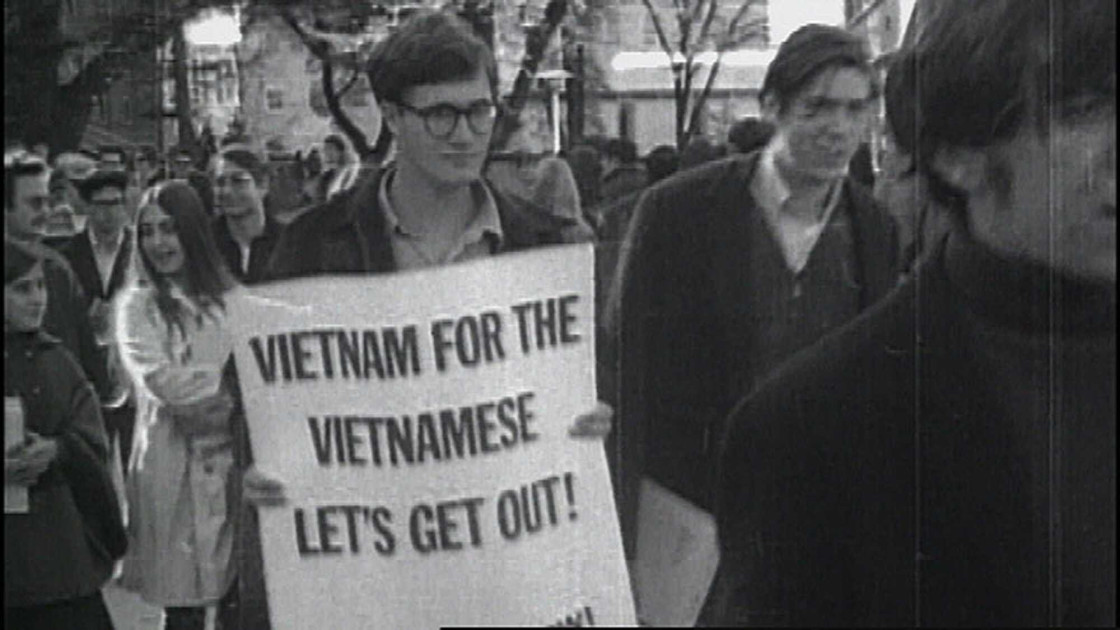
The Vietnam draft created impossible choices for young men facing deployment to an increasingly unpopular war. Many who sought deferments did so for reasons that had nothing to do with cowardice or lack of patriotism. But the disparity between who served and who avoided service – largely along class and racial lines – created lasting resentment that politicians who benefited from deferments still face.
Trump’s bone spurs are part of that larger story about who goes to war and who finds ways to avoid it. When someone who avoided service through convenient medical diagnosis later demands military cultural transformation focused on physical fitness, the contradiction becomes politically salient regardless of the merits of the policies he’s proposing.
What the Generals Heard That Tuesday Afternoon
The military officers assembled at Quantico heard their commander-in-chief praise a speech condemning fat troops and fat generals while announcing policies that will exclude most women from combat roles, eliminate diversity programs, and create protections for officers who face discrimination complaints while implementing those changes.
They heard him discuss using American cities as military training grounds. They heard him authorize troops to hit protesters. They heard him describe the Department of Defense era as over and the Department of War era as beginning.
And they knew that the man issuing these directives avoided military service through five deferments during wartime, including a medical exemption for bone spurs he later described as temporary and can’t remember details about.
Some generals undoubtedly support Trump’s vision and believe military culture needs the disruption he’s demanding. Others likely have deep concerns about legality, strategic wisdom, and constitutional boundaries but understand that expressing those concerns now means termination rather than dialogue.
What none of them said publicly was what Trump’s critics said immediately on social media – that someone who avoided service through convenient medical deferments lacks moral authority to demand warrior culture and fitness standards from people who’ve spent careers demonstrating both.
That message was heard regardless of whether any general spoke it aloud. The authority gap between the commander-in-chief lecturing about military excellence and his personal record of military avoidance is too obvious to ignore, too politically useful to critics to go unmentioned, and too historically documented to be dismissed as partisan attack.
Trump attended a military academy as a teenager. Then he received five deferments that kept him out of actual military service during the Vietnam War. Now he’s demanding cultural transformation of the armed forces based on fitness standards and warrior ethos he never personally demonstrated in uniform.
The generals at Quantico heard that message. So did Trump’s critics. And the bone spurs that exempted him from service in 1968 continue shaping political debates about his authority to reshape the military in 2025.