
Have you ever stood at a pharmacy counter, looked at the price of a prescription, and wondered why that same exact pill, made in the same factory, costs a fraction of the price in Canada, France, or Japan? President Trump has now forced this question onto the national stage, launching an aggressive new campaign to lower drug prices that puts his administration on a direct collision course with the entire pharmaceutical industry.
This is not a minor policy tweak. It is a fundamental challenge to the way prescription drugs are priced in America. The President’s plan has immediate and profound implications for your wallet, your future access to new medicines, and the constitutional balance of power between the federal government and one of the nation’s most powerful industries.
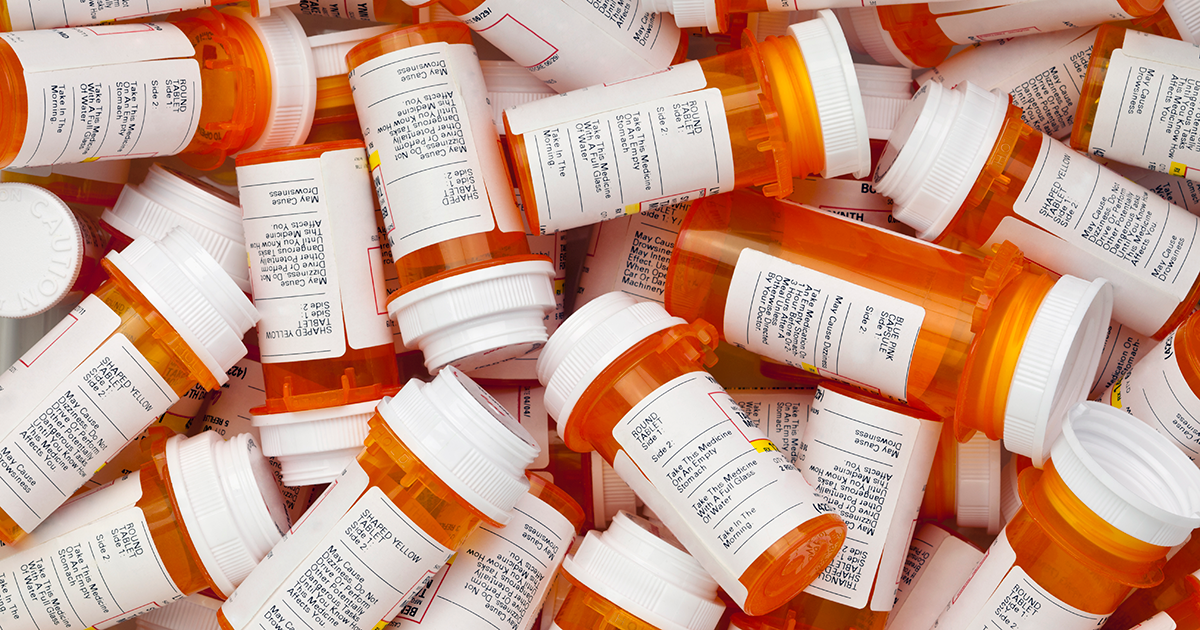
The “Global Freeloading” Problem
The administration’s argument is built on a simple and stark premise: America is being taken advantage of. For decades, a system of “global freeloading” has allowed other wealthy, developed nations—many with government-run, single-payer health systems—to negotiate rock-bottom prices for American-made drugs.
According to the White House, pharmaceutical companies agree to these low prices abroad to gain market access, and then make up for the lost revenue by charging sky-high prices here at home. The statistics are stunning: Americans pay, on average, more than three times what citizens in other developed countries pay for the same brand-name drugs. The United States, with less than 5% of the world’s population, accounts for roughly 75% of global pharmaceutical profits. In the President’s words, American patients and taxpayers are effectively “subsidizing socialism abroad.”
The “Most-Favored-Nation” Solution: What it Means for Your Wallet
The President’s proposed solution is a doctrine known as “most-favored-nation” (MFN) pricing. The concept is simple: the United States will no longer accept being the world’s high bidder. Through an executive order and now a direct demand to 17 of the world’s largest drug manufacturers, the administration is insisting that American patients get the same deal as everyone else.
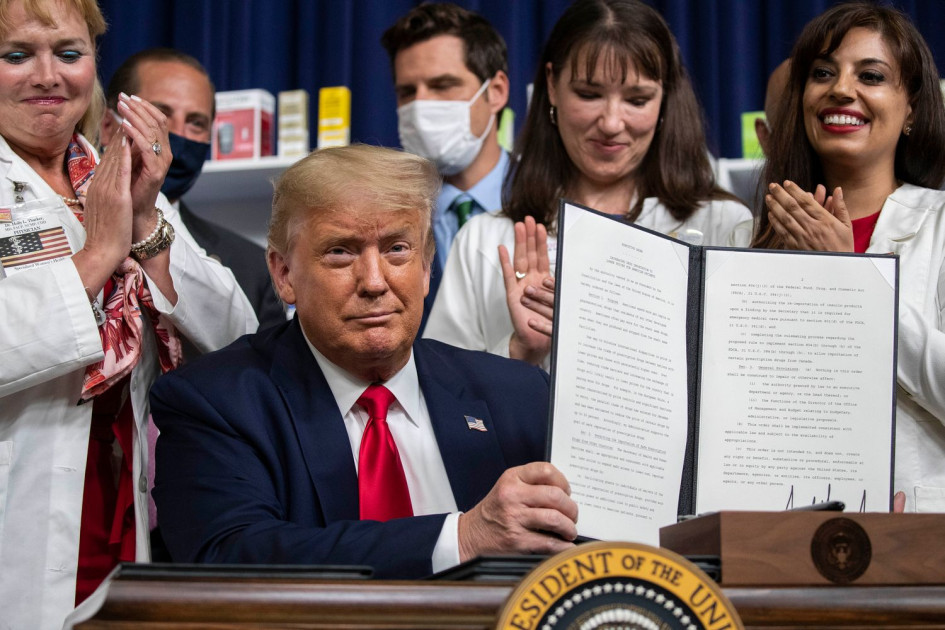
In practical terms, this means if a drug company sells a medication for $100 in Germany, it could not charge an American Medicaid patient more than $100 for that same drug. The letters sent to pharmaceutical CEOs threaten that if they “refuse to step up,” the federal government “will deploy every tool in our arsenal” to force compliance. For the average American consumer and taxpayer, the potential benefit is clear: immediate and significant relief from what the administration calls “vastly inflated drug prices.”
A Constitutional Showdown: A President vs. an Industry
The administration’s threat to use “every tool in our arsenal” sets the stage for a major constitutional showdown. The federal government’s authority to regulate the pharmaceutical industry is rooted in its power to regulate interstate and foreign commerce. The President is now using the full weight of that executive power to try and compel a private industry to fundamentally change its business model.
The pharmaceutical industry will not accept this without a fight, and its counter-argument will likely be grounded in the Fifth Amendment’s Takings Clause, which states that private property cannot be taken for public use without “just compensation.” The industry will argue that their drug patents and the profits derived from them are a form of private property. They will contend that a government mandate forcing them to sell their products at an artificially low, internationally-referenced price is a form of government “taking” of that property, and therefore unconstitutional.
The Great Trade-Off: Price vs. Innovation
This conflict forces the American people into a difficult but necessary debate over a great trade-off. The President’s plan, if successful, could bring immediate financial relief to millions of families and save taxpayers billions of dollars.
The pharmaceutical industry, however, argues that this relief would come at a devastating long-term cost. They contend that the high profits from the U.S. market are what fund their massive research and development (R&D) budgets. Slashing those profits, they argue, will decimate their ability to innovate, leading to fewer new life-saving cures for diseases like cancer, Alzheimer’s, and more in the future.
This is the difficult choice the nation now faces. The President has forced a confrontation that will determine not just the price of our medicines, but the future of medical innovation and the constitutional limits of government power over a private industry.