
The quietest, most high-stakes conversation in Washington is not happening on the floor of the Senate, but in its cloakrooms. A growing chorus of Republicans is urging the two oldest conservative Supreme Court justices to step down while their party still holds the power to replace them.
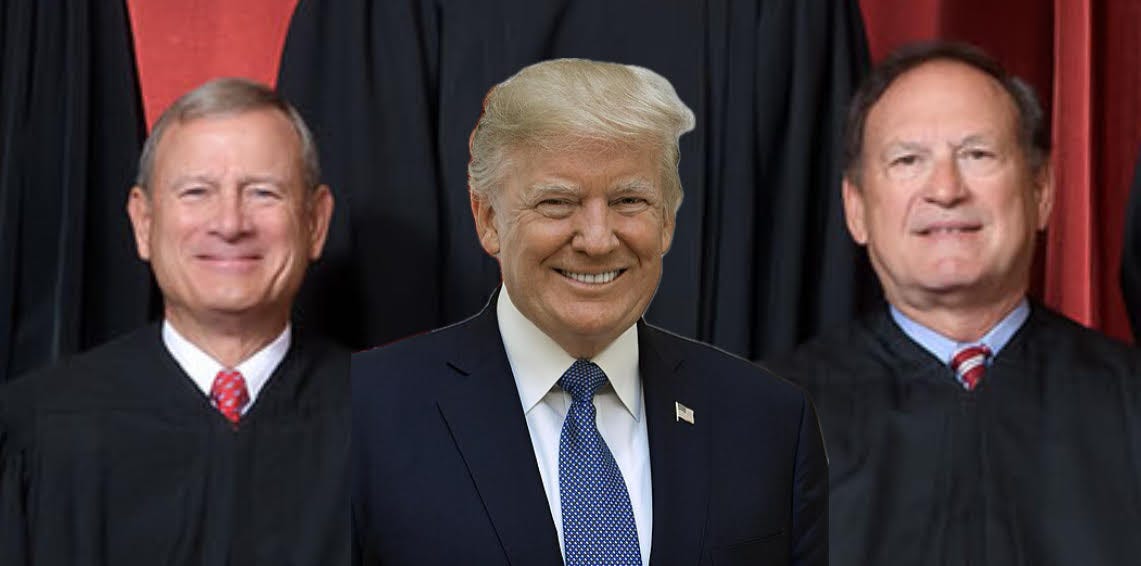
But in a move that defies conventional political strategy, President Trump has publicly rejected these calls, declaring he hopes Justices Samuel Alito and Clarence Thomas stay because they are “fantastic.”
This disconnect between the President and his party reveals a profound tension at the heart of our constitutional system. It is a clash between the Founding Fathers’ vision of independent, lifetime judges and the modern, brutal reality of political warfare, where a single untimely vacancy can shift the nation’s legal landscape for a generation.
The Whispers in the Cloakroom
The political logic driving the GOP pressure campaign is cold and mathematical. The Republican party currently holds the Senate majority, the golden key to judicial confirmation. But the upcoming midterm elections in 2026 introduce a variable of risk. If the Senate were to flip, a vacancy on the Court could remain unfilled or be subject to a brutal confirmation battle.
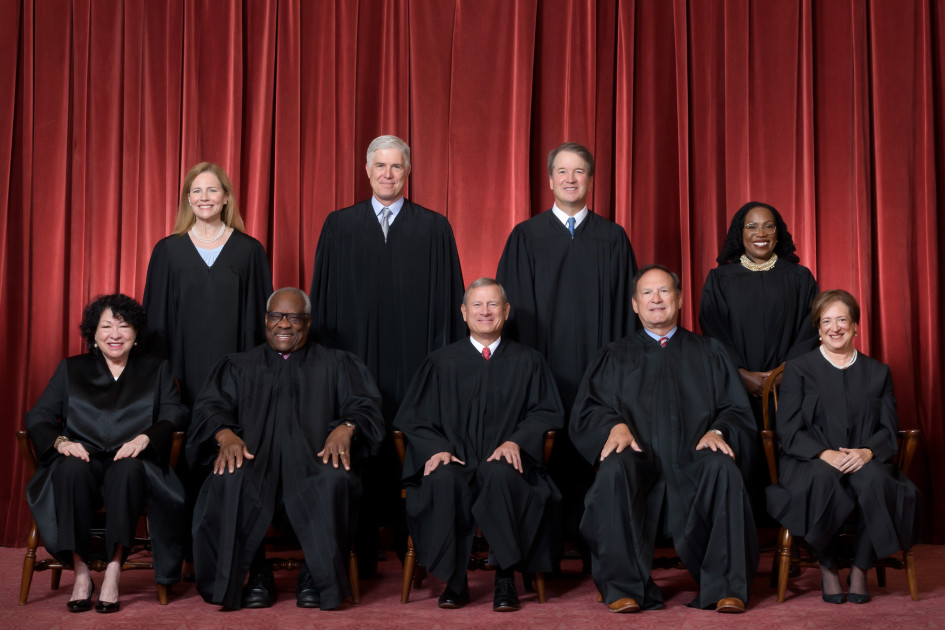
With Justice Thomas at 77 and Justice Alito at 75, strategic planners see a closing window. They are haunted by the “Ghost of RBG”—the memory of Justice Ruth Bader Ginsburg, who resisted calls to retire under President Obama and died during the Trump presidency, allowing conservatives to cement a 6-3 supermajority. For these strategists, securing the Court for another 30 years with young, conservative jurists is more important than the tenure of any single justice.
The Constitutional Design: “During Good Behaviour”
The President’s defense of the justices, however, aligns with the original intent of the Constitution, even if his motives are personal loyalty rather than constitutional theory. Article III, Section 1 states that judges shall hold their offices “during good Behaviour.” This effectively means a lifetime appointment.
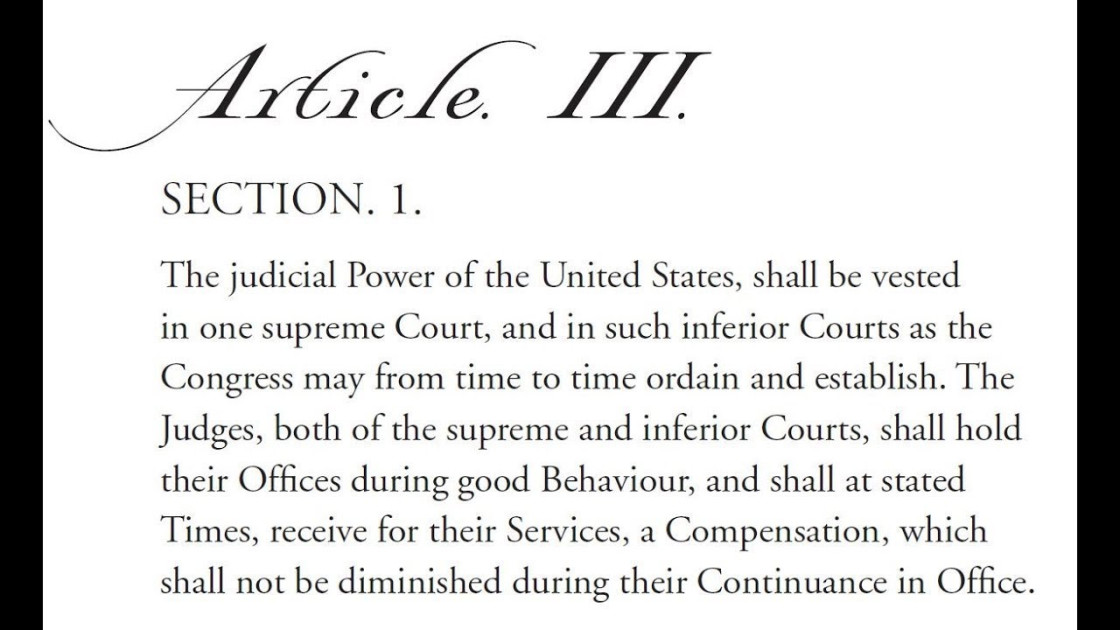
The framers designed this system specifically to insulate the judiciary from the political pressures of the moment. They wanted justices to be free to make unpopular decisions without fear of being fired or pressured to resign by a president or a party boss. The modern practice of “strategic retirement”—timing a departure to ensure a like-minded successor—is a political innovation that arguably undermines this independence, transforming justices into team players rather than neutral arbiters.
A “Political” Non-Political Decision
The response from the justices themselves highlights this tension. A source close to Justice Alito told The Wall Street Journal that he “has never thought about this job from a political perspective” and that retiring for political reasons would be “inconsistent with who he is.”
This statement is a powerful assertion of judicial independence. It suggests that Alito views his role not as a seat-warmer for the Republican party, but as a constitutional officer with a duty to serve as long as he is able. By publicly backing this stance, President Trump is reinforcing the idea that the Court should not be treated as a mere extension of the legislative calendar.
The Gamble
There is, of course, a massive risk in the President’s position. If either justice were to fall ill or pass away during a period of divided government, the conservative majority could be imperiled.
Historical Quick Fact: The average tenure of a Supreme Court justice has ballooned from about 15 years in the early republic to over 26 years today. This increased longevity has raised the stakes of every appointment, turning each vacancy into a titanic political battle that the framers could scarcely have imagined.
The President is betting on the health and longevity of his “fantastic” justices. The Republican establishment is betting on the actuarial tables. The outcome of this internal debate will determine whether the conservative legal movement consolidates its gains for the next half-century, or if it has overplayed its hand by ignoring the ruthless clock of political opportunity.