
After hours of closed-door talks at a remote Alaskan airbase, two of the world’s most powerful men stepped up to lecterns to announce the outcome of their historic summit. They spoke of friendship, a “path to peace,” and “great progress.”
But when the brief and bizarre press conference was over, the world was left with one glaring, unanswered question: What, exactly, did they agree to?
The highly anticipated meeting between President Donald Trump and Russian President Vladimir Putin, aimed at ending the war in Ukraine, concluded not with a clear breakthrough, but with a cloud of confusion and contradiction.
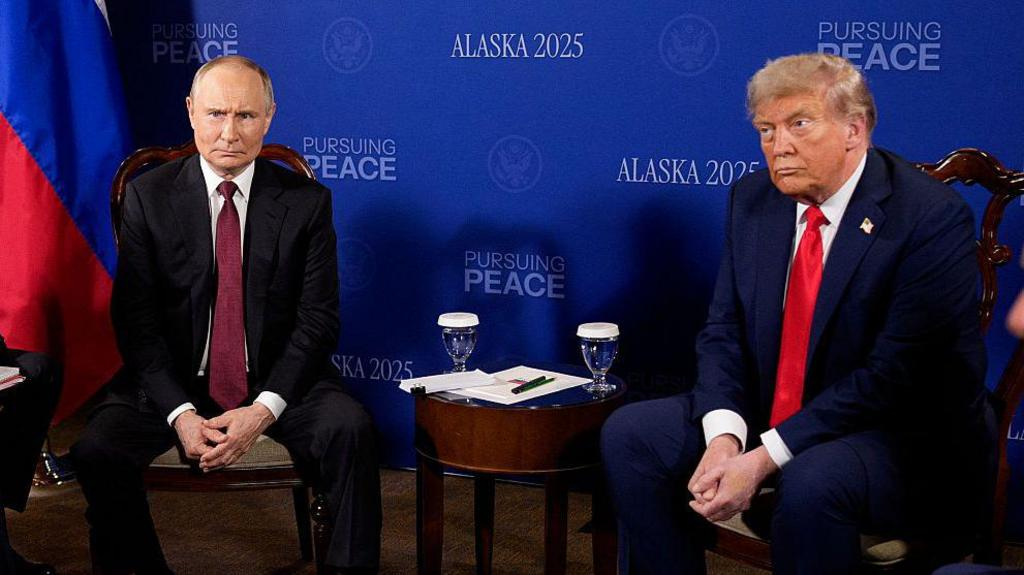
At a Glance: The Trump-Putin Summit
- What’s Happening: The summit between President Trump and Vladimir Putin in Anchorage, Alaska, has concluded.
- The Outcome: No concrete deal to end the Ukraine war was announced.
- The Message: Both leaders claimed to have found a “path to peace” but refused to provide any specifics. Trump himself said, “There’s no deal until there’s a deal.”
- The Sticking Point: Putin reiterated his hardline demands that the “root causes” of the war be addressed, signaling he has not softened his maximalist goals in Ukraine.
- The Constitutional Issue: A powerful display of the President’s diplomatic power under Article II, but the lack of a clear, ratifiable agreement highlights the immense gap between a presidential summit and a formal peace treaty.
An Agreement Without Details
The joint press conference was an elliptical and often baffling affair.
Speaking first – an unusual move for a visiting leader – Vladimir Putin was full of praise for his “dear friend” President Trump. He claimed the two had reached an “agreement” that would “pave the path to peace in Ukraine,” but then immediately pivoted to his long-standing, hardline demands that the “root causes” of the war must be addressed. Analysts noted this is his usual shorthand for a list of non-starters, including the removal of the government in Kyiv.
President Trump was equally vague. He declared, “We really made some great progress today,” but followed it up with the contradictory statement, “We haven’t quite got there, but we’ve got some headway.”
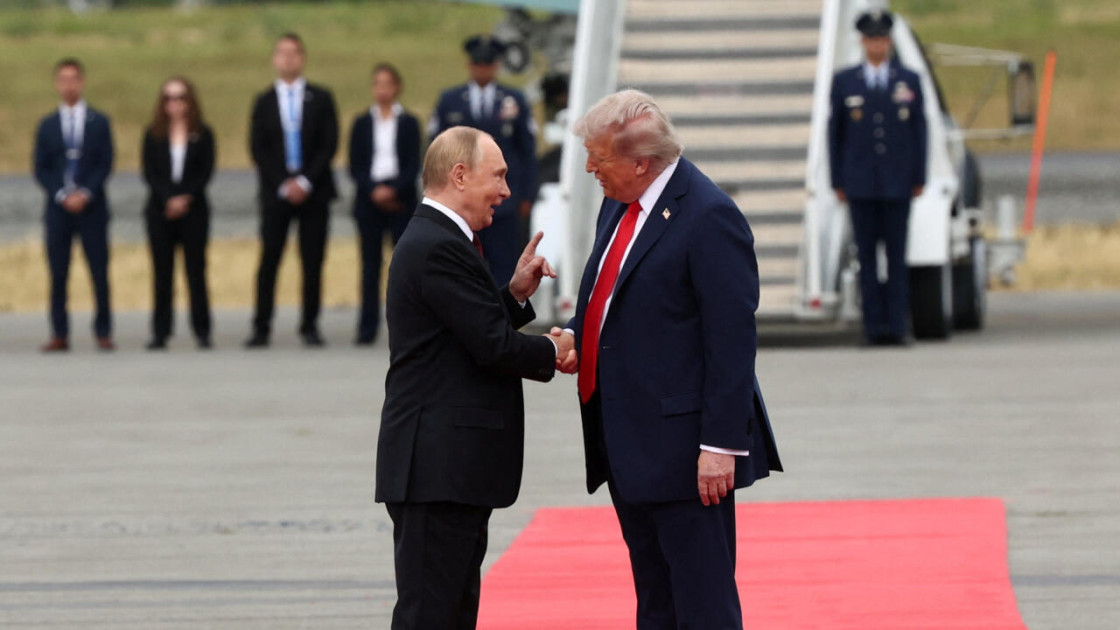
A Performance of Friendship
With no specifics on a peace deal to announce, the press conference instead became a performance of personal friendship and shared grievance.
Putin emphasized the “neighborly” relationship between Russia and the United States, given their proximity across the Bering Strait.
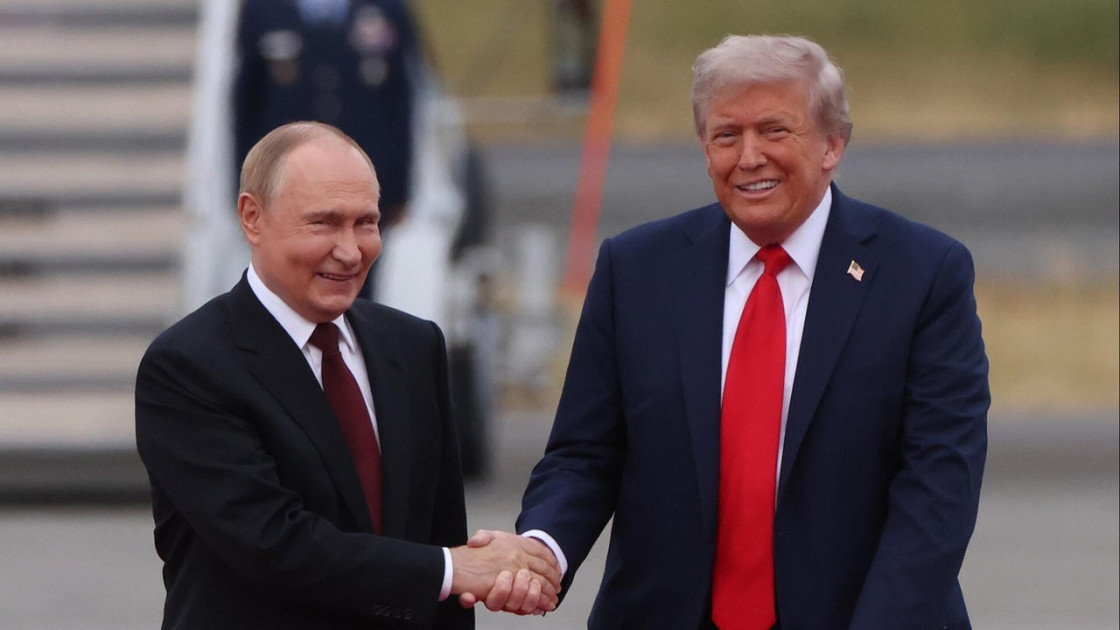
President Trump, in the most stunning moment of the event, returned the warmth by publicly siding with the Russian leader against his own country’s intelligence agencies. He once again described the finding that Russia meddled in the 2016 election as a “hoax,” a narrative he said was painful for both himself and Putin.
“In a stunning moment, the American president stood next to the Russian leader and publicly sided with him against the findings of his own country’s intelligence community.”
What We Can Read Between the Lines
While both leaders were intentionally vague, their language and the context of the meeting provide clues as to what the unstated “agreement” might actually be.
The most likely scenario is not a peace deal for Ukraine, but an agreement to formally restart diplomatic and economic talks that have been frozen for years.
The heavy presence of top economic officials from both countries – including the U.S. Treasury and Commerce secretaries – suggests the “progress” was likely centered on areas of potential business cooperation, such as the “minerals deal” that has been speculated about.
Putin’s emphasis on his maximalist demands, followed by Trump’s own statement that “there’s no deal until there’s a deal,” strongly implies that the two sides remain fundamentally at odds over Ukraine.
The “path to peace” they mentioned is likely just an agreement to keep talking, a way for both leaders to claim a diplomatic victory without having made any actual concessions on the war itself.
The President as Chief Diplomat
This summit is a textbook example of the President’s immense constitutional power under Article II to conduct the nation’s foreign policy. As the chief diplomat, the President alone has the authority to engage in these kinds of direct, leader-to-leader negotiations.
This style of personal diplomacy is a hallmark of the Trump presidency. However, the event also highlighted the powerful constitutional check on that power: the Treaty Clause.
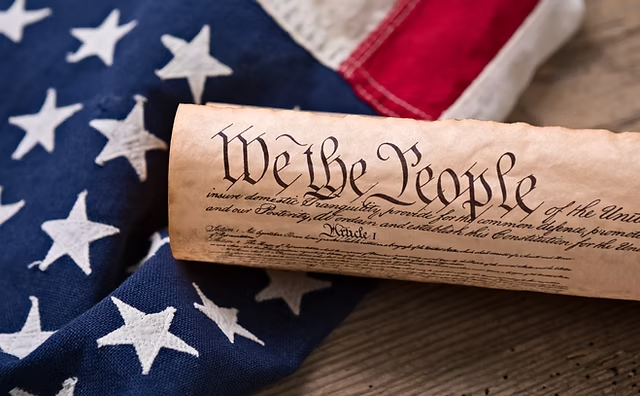
While the President has the undisputed power to talk, to negotiate, and to offer a handshake, any formal, legally binding peace treaty must be ratified by a two-thirds vote of the U.S. Senate.
“The President has the power to create a moment. But only the Senate has the power to ratify a treaty. The vast distance between the vague claims made in Anchorage and a concrete deal that could win the approval of two-thirds of the Senate remains immense.”
Peace, or Just a Performance?
The summit, held under a White House banner proclaiming “PURSUING PEACE,” ended with no discernible progress toward that goal. Both leaders left the stage without taking a single question from the press.
President Trump got his historic meeting, a powerful visual for a leader who has long sought a Nobel Peace Prize. President Putin got a global platform to project strength and re-assert his demands without making a single public concession.
The real audience for this performance may not have been the leaders of NATO or Ukraine, who will be briefed by phone, but the voters back home. The summit created the appearance of peacemaking, but as the planes departed Anchorage, the actual path to peace in Ukraine remains as elusive as ever.