
It started as a hat — but it didn’t stop there. The Trump Store recently began selling “Trump 2028” hats, boldly embroidered with the phrase “Rewrite the Rules.” At first glance, it might seem like little more than a piece of political merch or a branding gimmick. But in a constitutional republic that bars any president from serving more than two elected terms, this is more than red thread and speculation — it’s a cultural stress test on the limits of Article II and the 22nd Amendment.
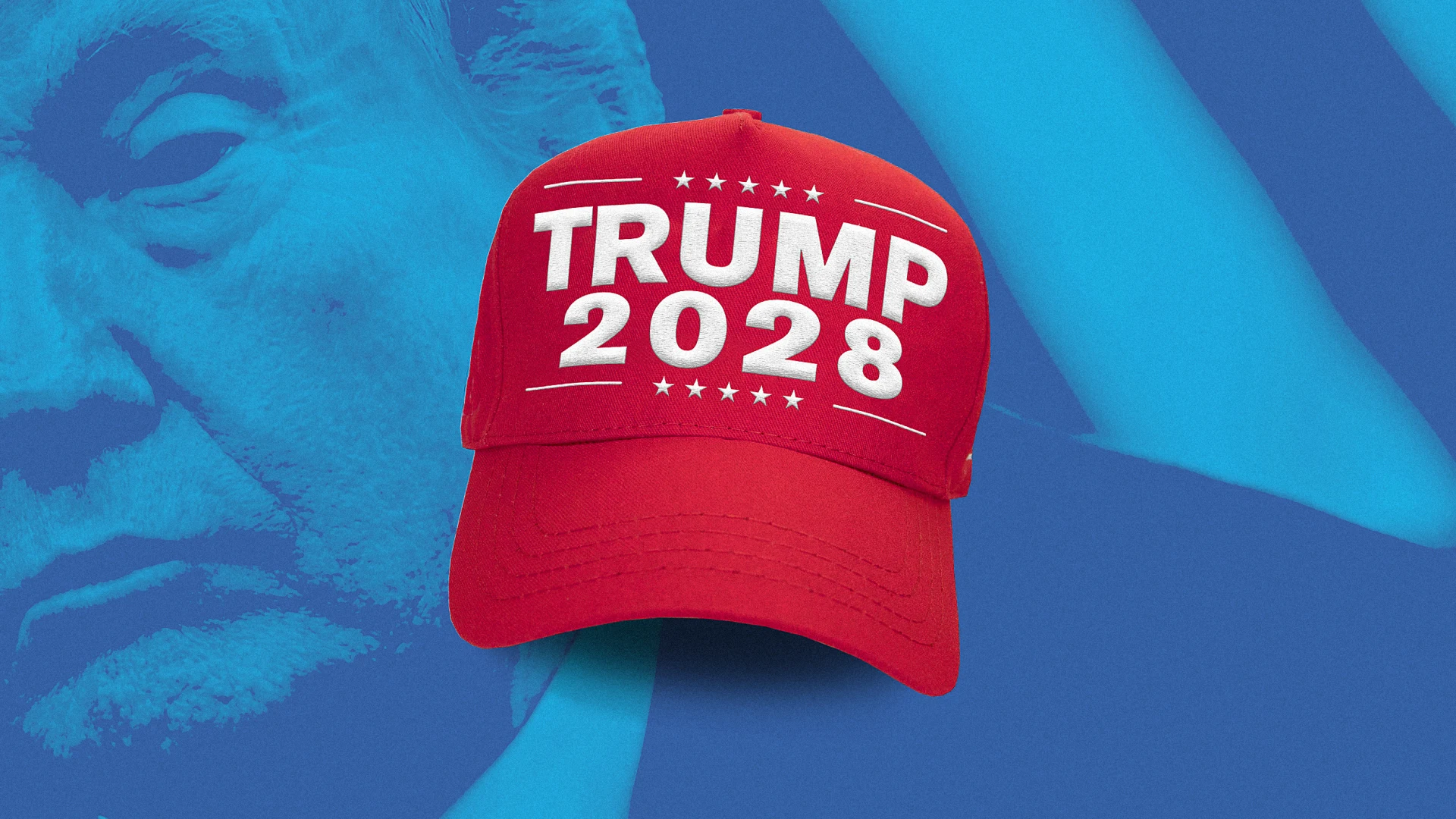
The merchandise comes on the heels of Trump’s recent comments in interviews and rallies suggesting he might not be entirely done after his current term. “I’m not joking,” he told NBC earlier this year. While some supporters cheer the possibility, constitutional scholars and longtime public servants are raising alarms. This isn’t just about Trump — it’s about whether the foundational rules of our government still hold in the face of political branding and long-term executive ambition.
A Quick Recap: What the 22nd Amendment Actually Says
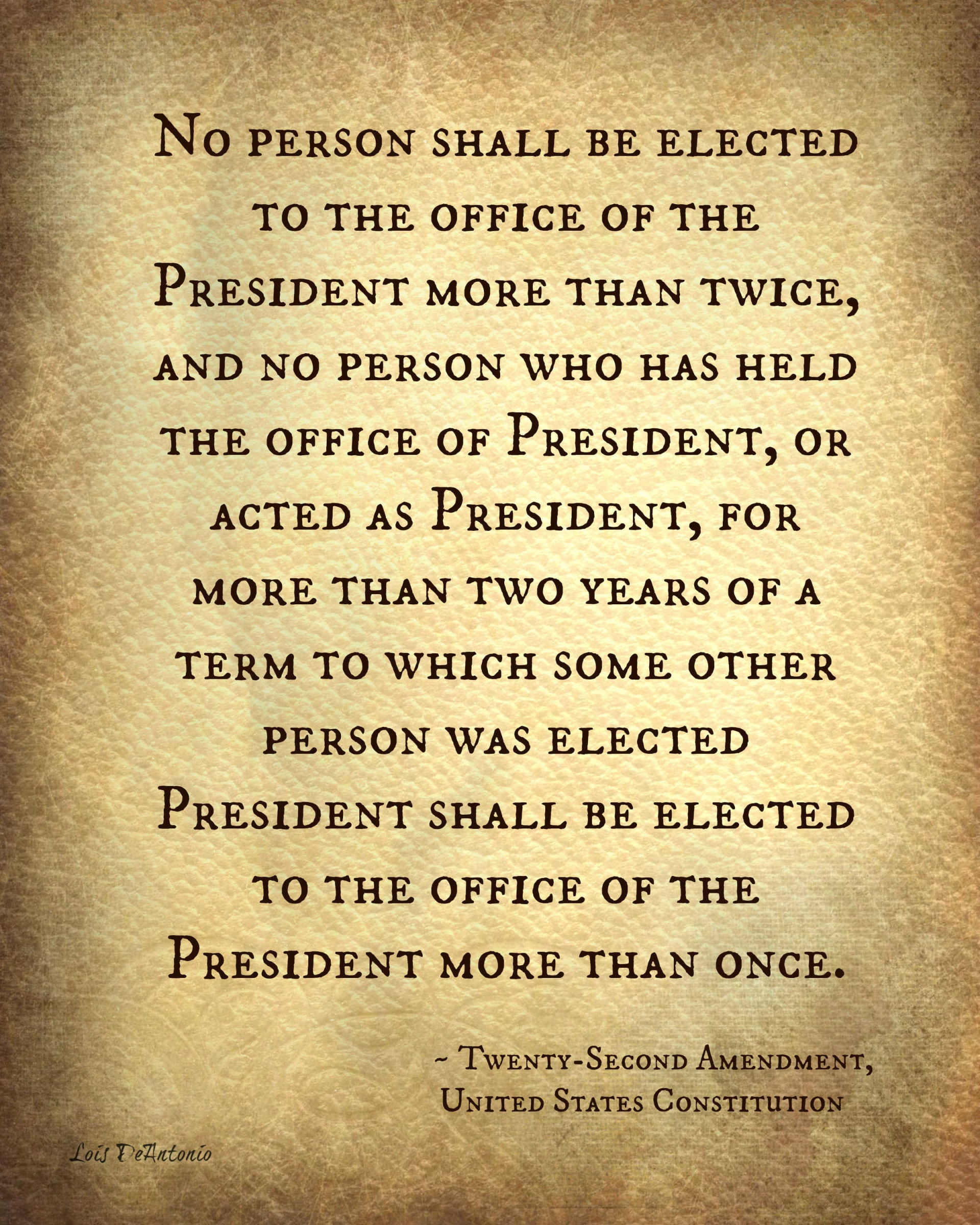
Ratified in 1951 in direct response to Franklin D. Roosevelt’s four-term presidency, the 22nd Amendment states:
“No person shall be elected to the office of the President more than twice.”
On its face, the text is unequivocal. The amendment was meant to ensure that no president, regardless of popularity or influence, could consolidate power across generations. The Founders feared monarchy. The post-FDR Congress feared presidency-for-life. The public embraced the amendment as a safeguard against both.
So Why Are “Trump 2028” Hats Even a Thing?
There’s no official campaign paperwork filed for a 2028 bid — yet. But make no mistake: this isn’t just about hat sales. By normalizing the language of a third term and pairing it with the tagline “Rewrite the Rules,” the Trump campaign apparatus is doing something far more strategic: testing the public’s response to the idea of extending executive power.
What this signals:
- A challenge to long-standing constitutional boundaries.
- An intentional blurring of campaign marketing and legal intent.
- A precedent where norms are tested through merch before lawsuits.
This tactic mirrors earlier Trump-era strategies: say something legally dubious, see how the public and media react, then pivot if the backlash outweighs the support.
Can He Really Run Again? The Legal Side of a Third Term
Under current constitutional interpretation, Trump cannot run again in 2028 if he wins reelection in 2024. Period. However, some legal theorists — and more provocatively, political operatives — have floated possible loopholes. One suggestion: Trump could run as a vice president and ascend again if a future president resigned. Another: reinterpret the clause to claim it only bars being elected a third time, not serving again.
Both approaches are almost certain to face constitutional challenges and be struck down by the courts. But that’s not really the point here. The strategy seems less about legal viability and more about planting seeds — softening public resistance and reshaping political expectations around executive permanence.
What This Means for the Average American
Even if you never buy a campaign hat or care about who wins the next election, the consequences of this kind of messaging are real.
If the public begins to treat the 22nd Amendment as optional or open to “rebranding,” it sets a dangerous tone for how other constitutional provisions are viewed. Could this encourage future presidents — from either party — to test their own term limits, powers of appointment, or emergency authority?
The Constitution only works when people in power agree to respect its constraints. When that respect is eroded through merch and media teasing, the danger isn’t just one president — it’s the normalization of rule-flirting as political strategy.
Institutions vs. Branding: Who Wins?
This moment is a perfect case study in how 21st-century American politics runs on marketing almost as much as on law. The “Trump 2028” hat is not a legal filing. It’s not a court challenge. It’s not even an announcement. But it’s a signal — and perhaps a warning — that constitutional boundaries can be mocked, memed, and monetized until they blur.
The danger isn’t in the stitching. It’s in the erosion of civic understanding. If a growing segment of the public sees constitutional amendments as flexible marketing material rather than democratic guardrails, the groundwork is laid for deeper, longer-lasting instability.
Final Thoughts: Can the Constitution Hold the Line?
There’s no formal mechanism in motion today to repeal or override the 22nd Amendment. But that’s the thing about guardrails — once politicians learn how to drive right up against them without immediate consequence, they start testing how far they can lean. That’s when accidents happen.
Whether you’re on Team Trump, Team Constitution, or somewhere in between, this moment isn’t about a hat. It’s about how much pressure our founding framework can take before it starts to fray — and whether We the People still care to enforce its limits.