
It sits in legal purgatory, a signature on a page that could fundamentally rewrite the definition of what it means to be an American, waiting for nine justices to finally say the words they have spent a year avoiding. The procedural delays are over, the lower court skirmishes have exhausted themselves, and the constitutional reckoning that has been looming for twelve months has finally arrived at the highest court in the land.
This tension stems from one of Donald Trump’s first actions in his second term: an executive order signed exactly one year ago today aiming to end birthright citizenship. While lower courts immediately halted the move, calling it a direct violation of the Constitution, the battle has slowly wound its way up the judicial ladder.
Now, the Supreme Court is set to decide not just the procedural nuances, but the core legality of the order itself.
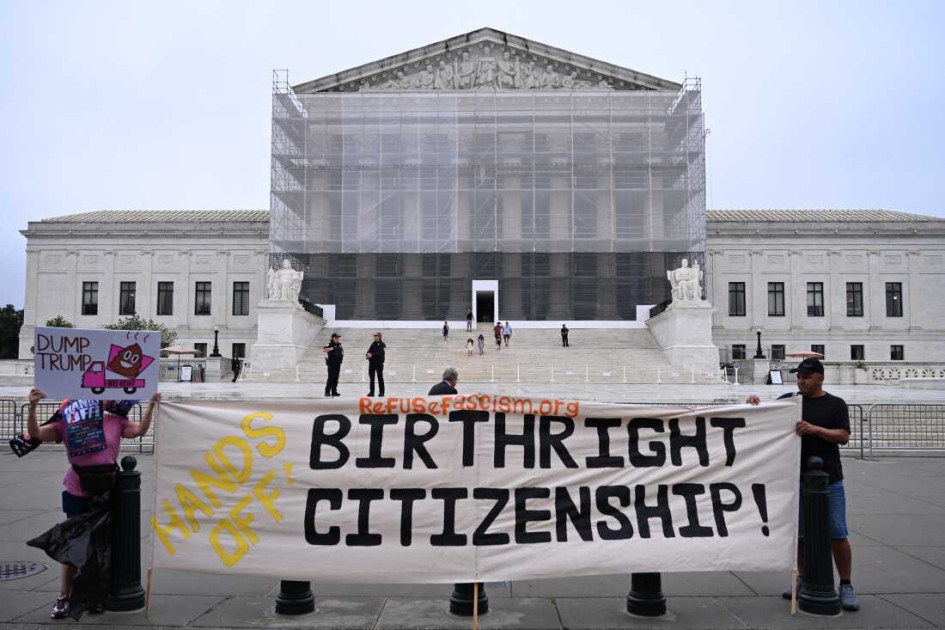
The Constitutional Crisis At a Glance
- The Order: Signed in January 2025, Executive Order 14160 attempted to end the automatic granting of citizenship to those born on U.S. soil to non – citizen parents.
- Lower Court Ruling: Reagan – appointed Judge John Coughenour blocked the order, calling it “blatantly unconstitutional” and an affront to the rule of law.
- Procedural Delay: Last term, the Supreme Court ruled on injunction scope (Trump v. CASA) but avoided the main legal question regarding the 14th Amendment.
- The Dissent: Justice Sonia Sotomayor accused the government of “gamesmanship” to avoid an early ruling on the merits.
- Current Status: The Court has agreed to hear the case on its merits this term, with a definitive decision expected by summer 2026.
A “Blatantly Unconstitutional” Move?
The executive order, titled “Protecting the Meaning and Value of American Citizenship,” was framed by the administration as a necessary step for national sovereignty. However, the legal pushback was instantaneous and fierce. The order challenged the long – standing interpretation of the 14th Amendment, which guarantees citizenship to essentially anyone born within the United States.
Federal Judge John Coughenour, a veteran jurist appointed by Ronald Reagan – a detail that complicates partisan narratives – did not mince words when he issued an injunction against the order. He described birthright citizenship as an “unequivocal” right and one of the nation’s “precious principles.”
He couldn’t recall another case “where the question presented is as clear as this one.”
For Coughenour and other critics, the legal precedent is so solidified that an executive order simply lacks the power to change it. He went further, suggesting that the administration’s disregard for established law was a feature, not a bug, noting that for the President, “the rule of law is but an impediment to his policy goals.”
This sets up a clash between the executive’s desire to shape immigration policy and the judiciary’s role as the guardian of the Constitution.
How We Got Here: A Century of Precedent
To understand why this legal battle is so explosive, you have to look back at the history the executive order attempts to rewrite. The concept of birthright citizenship isn’t just a modern policy preference; it is the bedrock result of the Civil War.
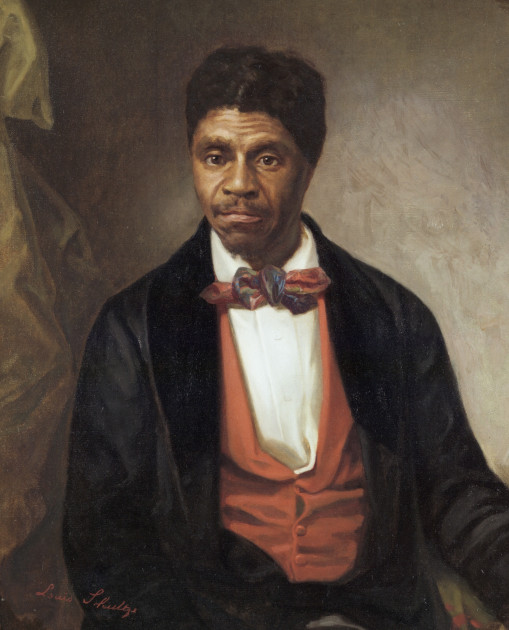
Prior to the war, the Supreme Court’s infamous 1857 decision in Dred Scott v. Sandford ruled that Black people, whether enslaved or free, could not be U.S. citizens. The 14th Amendment, ratified in 1868, was written specifically to overturn that ruling.
Its opening sentence is the battleground for today’s debate: “All persons born or naturalized in the United States, and subject to the jurisdiction thereof, are citizens of the United States.”
The administration argues that the phrase “subject to the jurisdiction thereof” excludes children of undocumented immigrants, claiming that because their parents owe allegiance to a foreign power, the children do too.
However, history suggests otherwise.
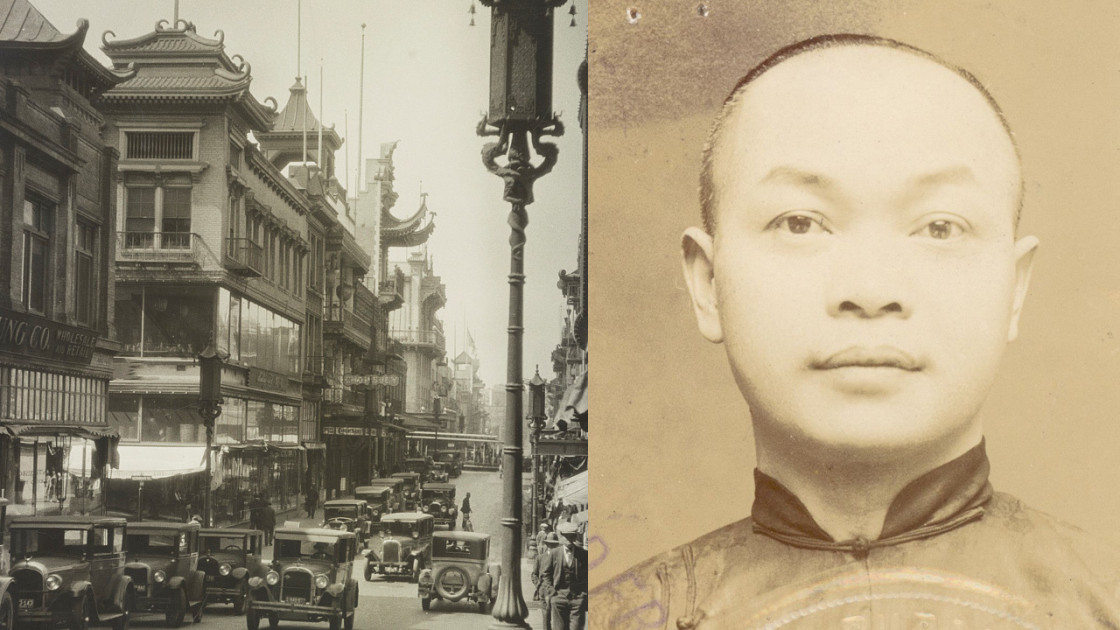
In 1898, the Supreme Court heard the case of Wong Kim Ark, a man born in San Francisco to Chinese parents who were legally barred from becoming citizens under the Chinese Exclusion Act.
When Wong tried to re – enter the U.S. after a trip abroad, he was denied entry on the grounds that he was not a citizen. The Court ruled 6 – 2 in his favor, establishing that the 14th Amendment applies to children born on U.S. soil regardless of their parents’ status.
That ruling in United States v. Wong Kim Ark has stood for over a century as the definitive interpretation of birthright citizenship.
The only major exception historically has been for children of foreign diplomats, who enjoy diplomatic immunity and are therefore not “subject to the jurisdiction” of U.S. laws. The administration is attempting to widen that narrow exception to include millions of people, a legal stretch that scholars across the political spectrum have viewed with skepticism.
Even legal minds who favor stricter immigration controls often concede that changing birthright citizenship would require a Constitutional Amendment, not just a stroke of a pen.
The Supreme Court’s “Gamesmanship”
While the lower courts relied on this history to block the order, the Supreme Court’s involvement has been more complicated. Last term, in a case known as Trump v. CASA, the administration asked the justices to rule only on the scope of the lower court’s block – specifically, who it applied to – rather than whether the order itself was legal.
The Court’s Republican – appointed majority agreed to this limited review in June 2025. This move effectively kicked the can down the road, delaying a final verdict on the constitutionality of the policy.
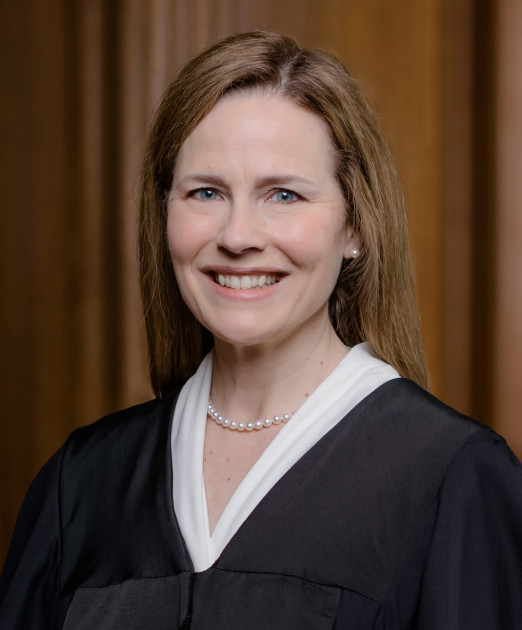
Justice Amy Coney Barrett, writing for the majority, focused on the technical limits of “universal injunctions” rather than the rights of the children involved. This procedural side – stepping allowed the order to remain a “live” issue politically, even if it was blocked legally.
The Reckoning Arrives
This delay did not sit well with the Court’s Democratic appointees. Justice Sonia Sotomayor issued a scathing dissent regarding the Court’s decision to avoid the main issue. She argued that the administration knew the order was legally indefensible and was using procedural tactics to keep it alive as long as possible.
“To get such relief, the Government would have to show that the Order is likely constitutional, an impossible task in light of the Constitution’s text… The gamesmanship in this request is apparent… Yet, shamefully, this Court plays along.”
With the Court now agreeing to hear the case on its merits this term – specifically reviewing the challenge in Barbara v. Trump – that “gamesmanship” has reached its end. By early summer, the justices will have to answer the question they previously avoided.
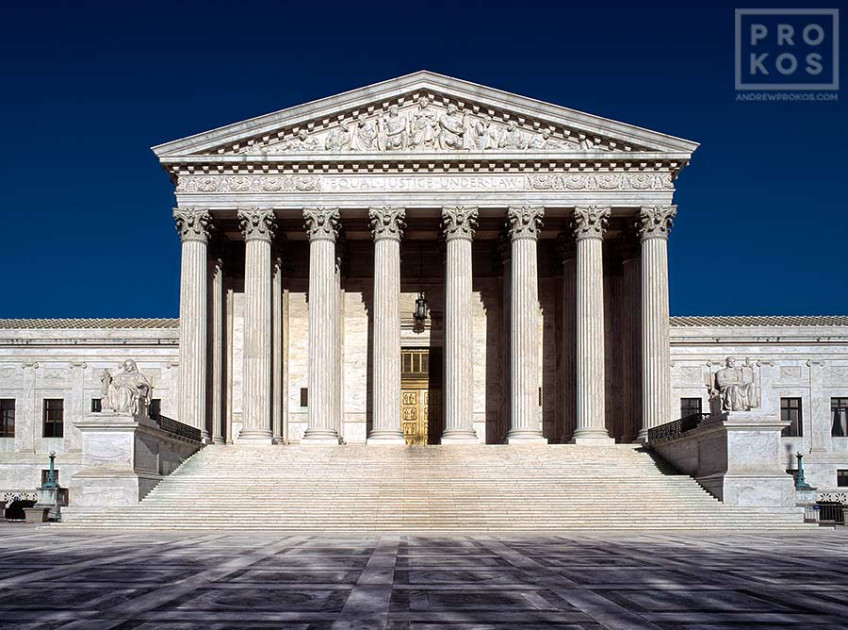
The stakes are higher than just immigration policy. If the Court upholds the order, it would not only overturn the Wong Kim Ark precedent but also fundamentally expand the power of the presidency, allowing the Executive Branch to reinterpret the Constitution without a formal amendment process. Conversely, striking it down would deliver a stinging rebuke to the administration’s legal theory, reinforcing the 14th Amendment as an unshakeable pillar of American law.
For the thousands of families in legal limbo, and for the scholars watching the erosion of norms, the summer of 2026 promises to be a defining moment in American history.