
The relative quiet of a crisp February morning in Windsor was shattered Thursday by a sequence of events that many constitutional scholars believed would never grace the pages of history.
For decades, the intersection of British royalty and American jurisprudence has been a landscape of “understandings,” “diplomatic courtesies,” and the invisible shield of sovereign prestige.
However, on February 19, 2026, that shield was finally lowered.

The Dawn of Accountability
At approximately 7:15 AM GMT, officers from the Metropolitan Police, acting on a formal red notice and a sealed indictment from the Southern District of New York (SDNY), arrived at the Royal Lodge. The arrest of Prince Andrew, the Duke of York, marks the most significant legal escalation in the ongoing investigation into the international sex trafficking ring associated with the late Jeffrey Epstein.
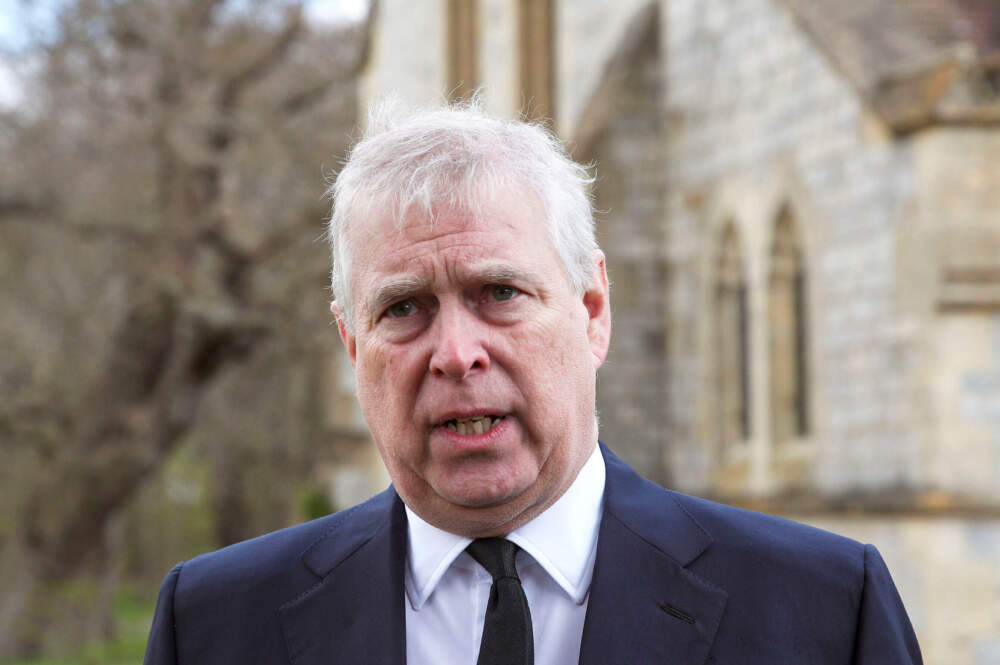
The scenes described by onlookers were a stark departure from the choreographed ceremonies usually associated with the Duke. There were no liveried guards or velvet ropes; instead, there was the cold, mechanical efficiency of the law.
While the Duke has long maintained his innocence and sought to distance himself from the Epstein legacy, the release of the “Epstein Files” by Attorney General Pam Bondi earlier this year appears to have provided the final evidentiary bridge required for a criminal arrest warrant.

For the constitutional watchdog, this moment is not merely a tabloid sensation. It is a profound test of the Special Relationship and a reminder that the American legal system is built on a foundation that explicitly rejects the “divine right of kings.”
The Legal Mechanism: Extradition and Dual Criminality
To understand how a Prince of the Realm can be taken into custody for an American trial, one must examine the 2003 US-UK Extradition Treaty. This document is the cornerstone of the current proceedings, and its application in this case represents a high-water mark for transatlantic law enforcement.
The treaty operates on the principle of “Dual Criminality,” which requires that the conduct alleged must be a crime in both the United States and the United Kingdom.
In this instance, the charges—reportedly involving the procurement of minors and conspiracy to engage in sex trafficking—meet this threshold with devastating clarity.
Under the treaty, the “requested state” (the UK) must determine if there are any “bars to extradition,” such as political motivation or the threat of the death penalty. Given that the charges are strictly criminal and involve non-capital offenses, the British Home Office faces a narrow path of resistance.
The Historical Precedent of Royal Immunity
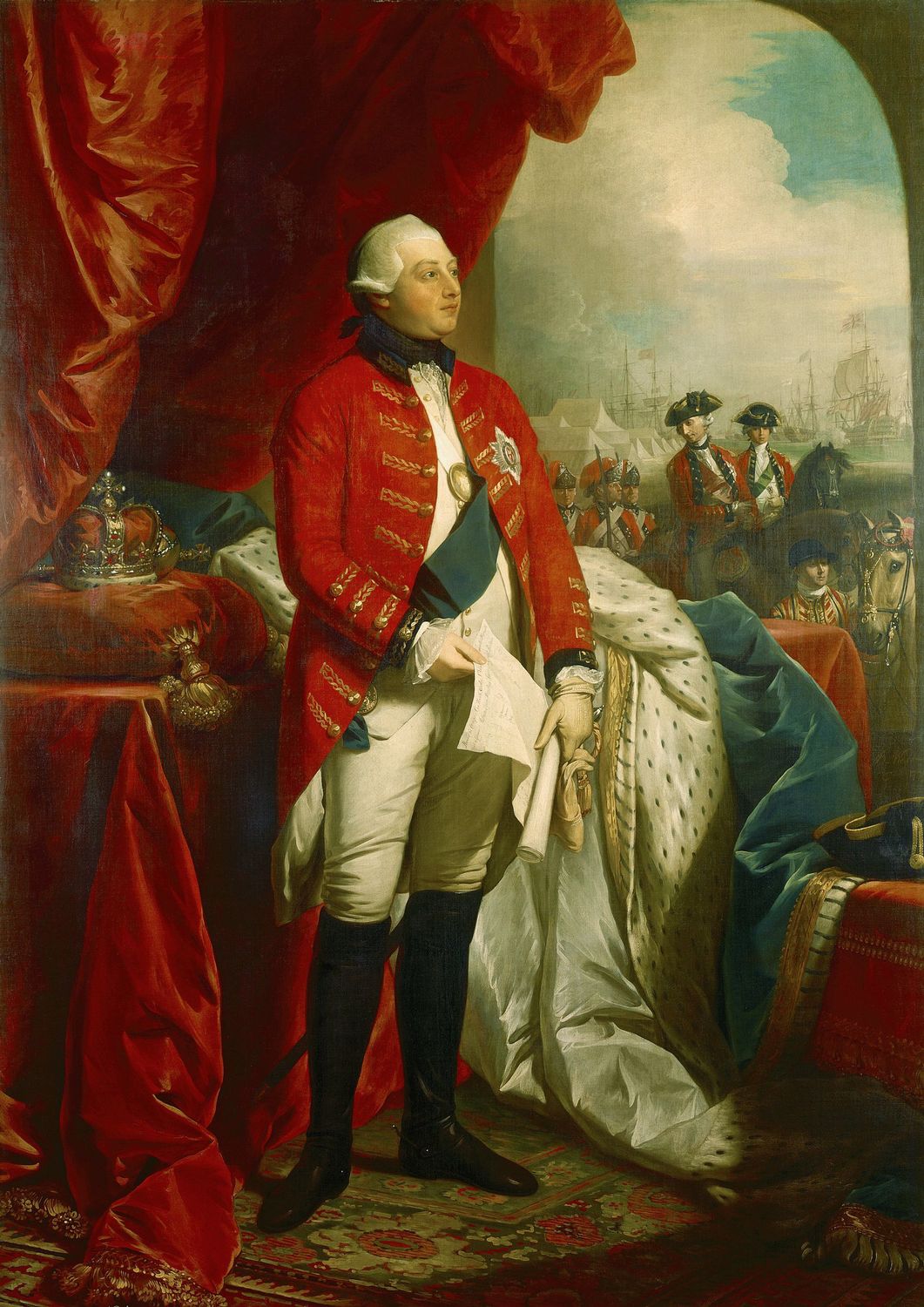
The American experiment was forged in a direct, violent rejection of royal immunity. When the Framers drafted Article I, Section 9, Clause 8 (The Title of Nobility Clause), they weren’t just being petty; they were ensuring that no American citizen could hold a status that placed them above the common law.
While Prince Andrew is not an American citizen, the principle of Equal Protection under the 14th Amendment dictates that anyone within the jurisdiction of the United States—or sought by it for crimes committed within its borders—must be treated with the same legal scrutiny as any other individual.
How We Got Here: A Timeline of Royal Legal Encounters
The path to this arrest was not a straight line. It was a centuries-long evolution of the concept that even the highest-born individuals are subject to the “Law of the Land,” a concept first articulated in the Magna Carta in 1215.
| Date | Event | Legal Significance |
| 1215 | Magna Carta Signed | Established that the King is not above the law. |
| 1649 | Execution of Charles I | The ultimate rejection of absolute sovereign immunity. |
| 1997 | US-UK Extradition Treaty | Modernized the process of transferring suspects between nations. |
| 2021 | Virginia Giuffre Civil Suit | Tested the Duke’s ability to use “Diplomatic Immunity” in a US civil court. |
| 2026 | The Bondi Release | Provided the unredacted “Epstein Files” that fueled the current indictment. |

The Sovereign Immunity Defense: A Dead Letter?
One of the most intense debates currently echoing through the halls of the Department of Justice centers on the concept of Sovereign Immunity. Traditionally, heads of state and their immediate families enjoy broad protections from the civil and criminal jurisdiction of other nations.
This is intended to ensure that diplomacy can function without the constant threat of “lawfare.”
However, the Duke of York’s status changed significantly following his “stepping back” from royal duties and the subsequent removal of his “HRH” (His Royal Highness) title by the late Queen Elizabeth II.
By the time Attorney General Pam Bondi began her review of the Epstein files, Andrew was functionally a private citizen in the eyes of many international legal scholars. While the British government may still attempt to argue that the arrest is “harmful to the public interest,” the Article III courts in the United States have historically been reluctant to allow diplomatic status to shield individuals from charges involving the exploitation of minors.
“The principle of sovereign immunity was never intended to be a license for the commission of felonies,” noted a senior DOJ official close to the Bondi investigation. “It is a shield for the office, not a cloak for the man.”
From Magna Carta to the 2026 Surge
Lets look at the Jay Treaty of 1794. This early agreement between the young United States and Great Britain was the first to formalize the return of fugitives. Even then, the founders were concerned that the “Old World” would use its nobility to evade justice in the “New World.”
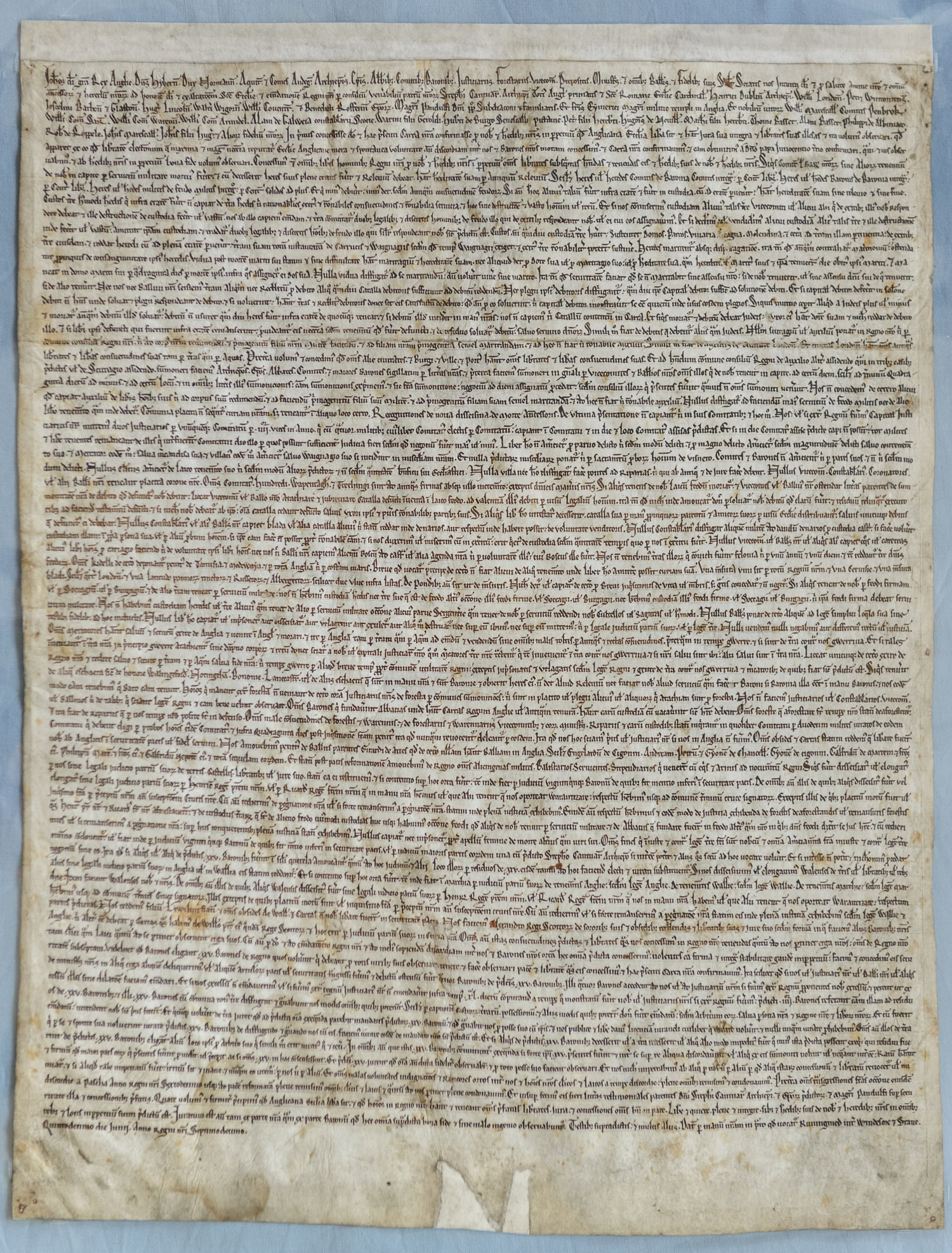
Clause 39 of the Magna Carta states: “No free man shall be seized or imprisoned… except by the lawful judgment of his equals or by the law of the land.”
By seeking the arrest of Prince Andrew, the SDNY is effectively asserting that the “equals” of a prince are the common citizens of New York who sit on a grand jury. This is the ultimate realization of the American constitutional vision—a world where a Spider-Man backpack (as seen in the Liam Ramos case) and a Royal Coronet are viewed with the same impartial eye by the Goddess of Justice.
International Relations: The Special Relationship Under Stress
The arrest has sent the “Special Relationship” into a tailspin. While President Trump has often expressed a personal affinity for the British Royal Family, his administration’s “Law and Order” mandate—and the specific push by Pam Bondi to resolve the Epstein mystery—has created a collision of priorities.
The British public is also deeply divided. In London, protesters have gathered outside Parliament, some calling for the Duke to face justice in New York to “clear the air,” while others view the arrest as an overreach of “American Hegemony.”
- The Downing Street Dilemma: Prime Minister Keir Starmer faces immense pressure to either protect a member of the Royal Family or uphold the integrity of the 2003 Treaty.
- The Palace Response: Buckingham Palace has issued a terse statement, noting that the matter is a “legal issue for the Duke of York and his private legal team.”
- The Bondi Factor: By forcing this issue into the light, the Attorney General has demonstrated that the DOJ is willing to pursue high-profile targets even at the risk of diplomatic friction.
The Road to Trial: What Happens Next?
The Duke is currently being held at a high-security facility in London pending an extradition hearing. This process could take months, as his legal team will undoubtedly exhaust every avenue of appeal within the British court system.
If and when he arrives on American soil, the Duke will be processed like any other defendant. He will be photographed, fingerprinted, and presented before a federal magistrate. The question of bail will be the first major hurdle. Given the Duke’s immense resources and international connections, the government is expected to argue that he is a “significant flight risk.”
Potential Challenges to the Indictment
Lawyers for the Duke are expected to raise several constitutional and procedural challenges:
- Statute of Limitations: Arguing that the alleged conduct occurred too long ago to be prosecuted.
- Due Process: Claiming that the “media circus” and the “politicized” release of the Bondi files have made a fair trial impossible.
- Jurisdictional Overreach: Asserting that the SDNY lacks the authority to prosecute conduct that allegedly took place primarily on foreign soil.
Conclusion: The Ultimate Test of “No Man is Above the Law”
The arrest of Prince Andrew is the final act in a drama that has spanned decades. It is a moment where the grand theories of the US Constitution—Sovereignty, Equal Protection, and Due Process—cease to be abstract concepts and become physical realities.
Whether the Duke is eventually convicted or cleared, the very fact of his arrest serves as a landmark in the history of global justice. It signals that the era of “Royal Prerogative” is over, and the era of universal accountability has arrived.
For the citizens of Minneapolis, who have watched their own streets become battlegrounds for federal enforcement, there is a certain irony in seeing that same federal power reach across the Atlantic to the gates of Windsor. It is a reminder that the law is a double-edged sword: it can be a tool of surge and suppression, but it can also be a tool of the most improbable accountability.
The 2026 constitutional landscape is one of shifting boundaries and collapsing pedestals. As the Duke of York awaits his fate in a London cell, the world is reminded of a simple, revolutionary truth: in the eyes of the law, a Prince is just a man, and a man is just a citizen.