
The political standoff in Texas has escalated into an unprecedented law enforcement action.
After dozens of Democratic state lawmakers fled Texas to block a vote on a new congressional map, the Republican governor has taken a dramatic and historic step: he has ordered state police to arrest them.
This move transforms a political dispute over legislative rules into a stunning constitutional crisis. It pits the raw power of the state executive against the defiant actions of its elected lawmakers, raising profound questions about the limits of legislative power and the rule of law.
At a Glance: The Texas Standoff Escalates
- What Happened: After Democrats fled the state, the Texas House failed to achieve a quorum (the minimum members needed to vote).
- The Response: The remaining House members voted to authorize civil arrest warrants for the absent lawmakers.
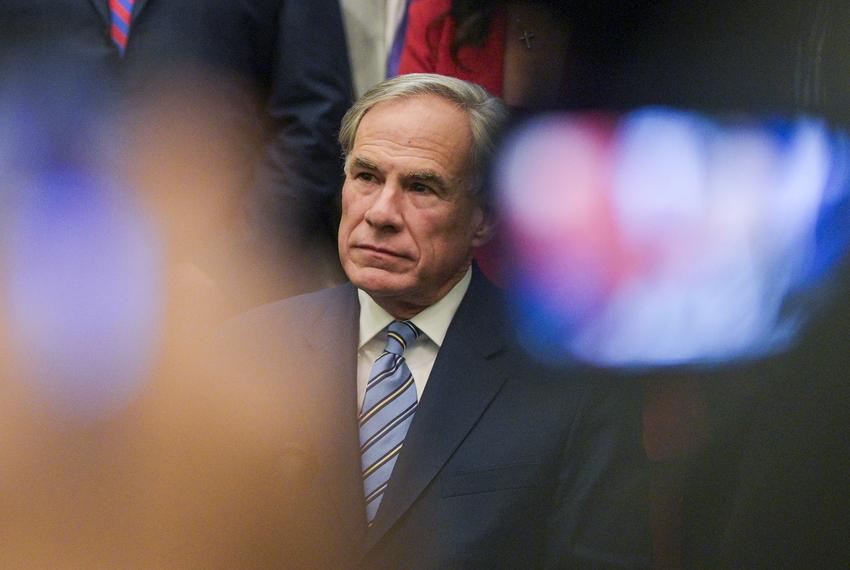
- The Governor’s Order: Governor Greg Abbott immediately directed the Texas Department of Public Safety to “arrest the delinquent Texas House Democrats” and return them to the capitol.
- The Constitutional Issue: A major test of a state’s power to physically compel its own lawmakers to perform their duties, especially when they have crossed state lines.
The Warrants Are Issued
The dramatic escalation began Monday afternoon. As the deadline for a quorum passed, Texas House Speaker Dustin Burrows formally announced that the chamber could not conduct business.
Following the rules of the House, the remaining Republican members quickly held a vote to authorize the Speaker to issue civil arrest warrants for all absent members.
Shortly after the vote, Governor Greg Abbott, a Republican, released a statement directing the Texas Department of Public Safety to “use all lawful means” to execute the warrants and return the lawmakers to Austin.
“As speaker, I will do everything in my power to establish quorum and move this body forward by any and all means available to this office.” – Texas House Speaker Dustin Burrows
A Constitutional Power Play
The authority for this stunning move comes from the Texas State Constitution itself, which, like the U.S. Constitution, grants its legislative chambers the power to “compel the attendance of absent members.”
This is a power designed to prevent a minority of members from endlessly obstructing the work of the government simply by refusing to show up. Republicans argue they are using a legitimate, if rarely invoked, constitutional tool to respond to an extraordinary act of obstruction by the Democrats.
The Democrats, who are currently holding press conferences in Illinois and other blue states, see it differently. They argue they are engaged in a legitimate political protest against what they call an unconstitutional and racially discriminatory gerrymander, and that the threat of arrest is a tyrannical abuse of power.
A Standoff at the State Line
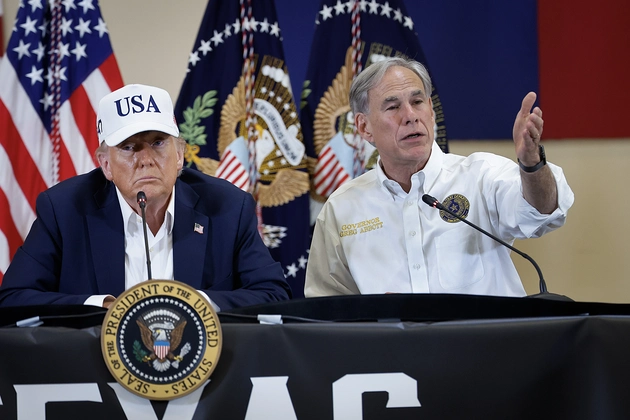
Governor Abbott’s order immediately creates a new and complex legal battleground.
The arrest warrants issued by the Texas House are civil warrants, not criminal ones. Their power to be enforced outside the state of Texas is highly questionable and legally untested.
The central constitutional question is now a matter of jurisdiction. Does the power of the Texas Speaker and Governor end at the state line?
Legal experts are in uncharted territory. The Texas Department of Public Safety has no jurisdiction in Illinois or any other state. To bring the lawmakers back, Texas would likely have to engage in a complex extradition process, which the Democratic governors of those states would almost certainly fight in court.
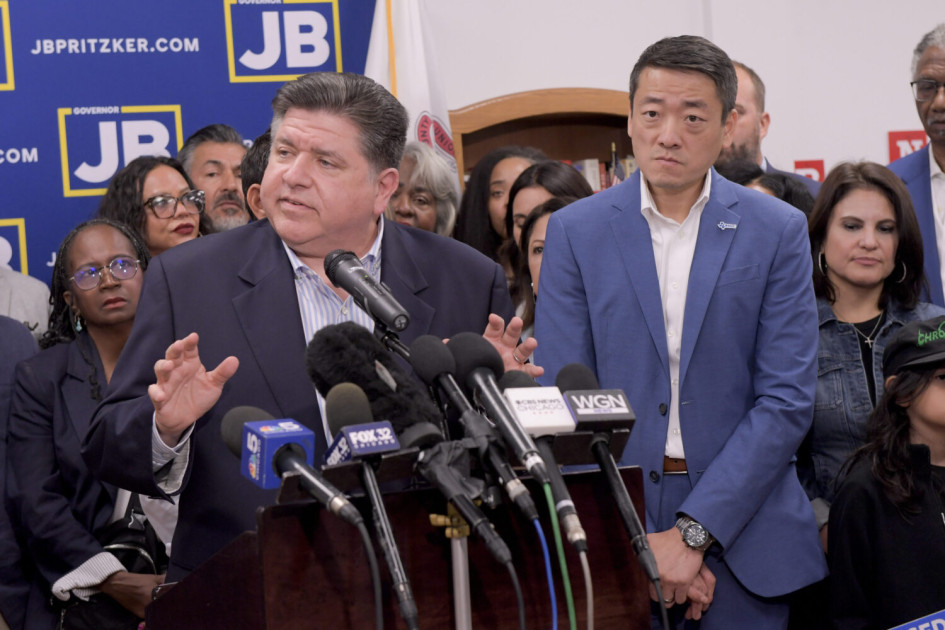
This sets the stage for a potential legal showdown not just between the Texas governor and his own legislators, but between the Republican governor of Texas and the Democratic governors of the states providing sanctuary to the fleeing lawmakers.
A High-Stakes War of Attrition
The situation has now become a high-stakes war of attrition.
The Republican leadership is betting that the threat of arrest, mounting daily fines, and immense political pressure will eventually force the Democrats to return.
The Democrats are betting that they can stay out of state long enough to run out the clock on the legislative session, while using their time in exile to build national public pressure against the Republican-drawn maps.
The fight over the lines on a map has now spiraled into a dramatic, multi-state constitutional crisis. It is a raw demonstration of how, in a hyper-partisan era with few remaining political guardrails, a battle over voting rights can quickly escalate into a fundamental conflict over the rule of law itself.