
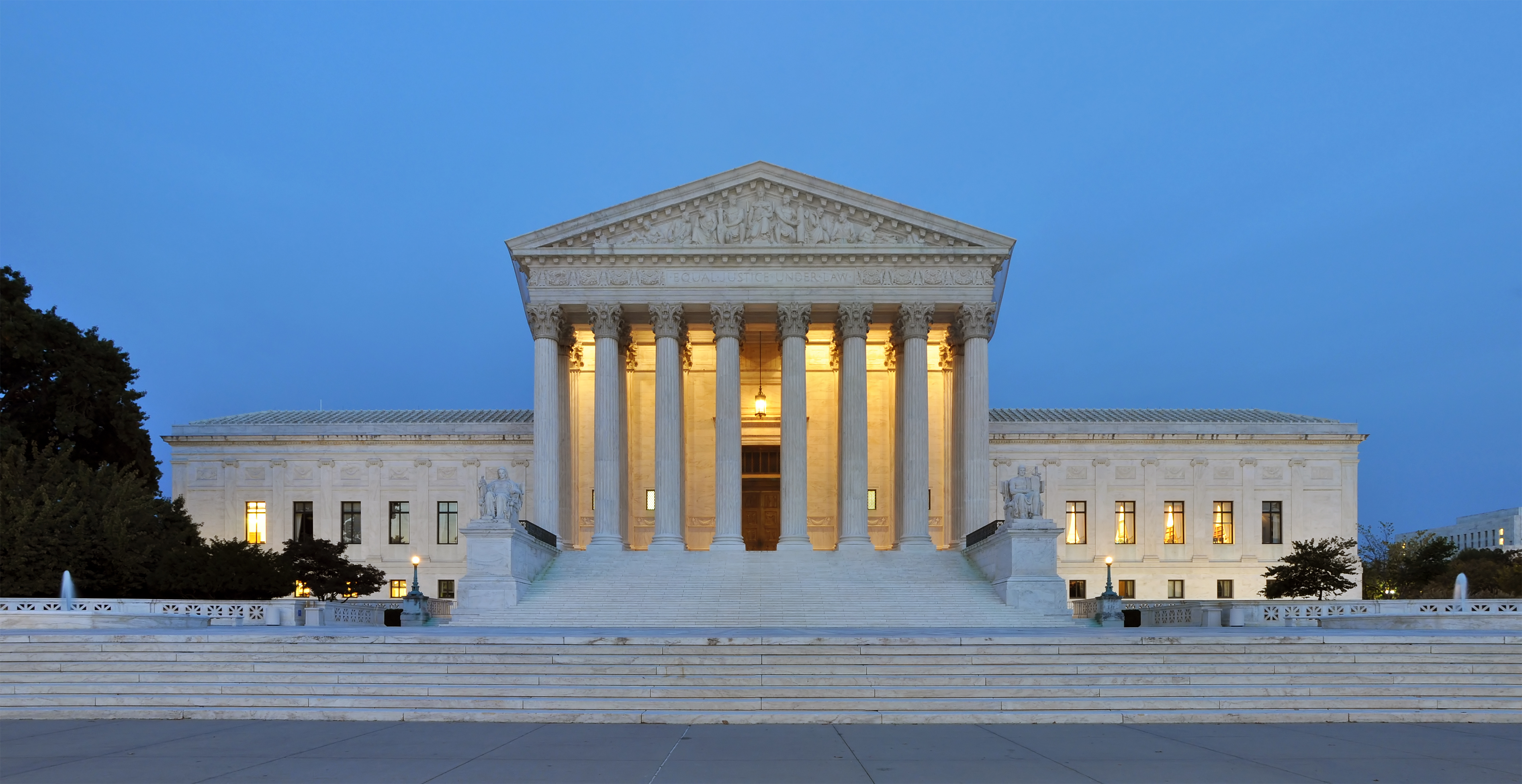
The Supreme Court is stepping into a high-stakes fight over Temporary Protected Status, commonly called TPS. The justices have agreed to review the Trump administration’s effort to revoke temporary legal protections for hundreds of thousands of Haitian and Syrian migrants living in the U.S.
For everyday readers, the key point is simple: this case is about what legal standards govern the end of TPS designations, and how much power federal courts have to block or pause those moves while challenges play out.
What the Court agreed to do
The justices left in place, for now, a pair of lower court orders that blocked the Trump administration from immediately halting TPS designations for Syrian and Haitian migrants.
At the same time, the Court agreed to take up the consolidated cases on an expedited basis, with oral arguments set for next month. A decision is expected by late June.
TPS in plain English
The TPS program allows individuals from certain countries to live and work in the U.S. legally if they cannot work safely in their home country due to a disaster, armed conflict or other “extraordinary and temporary conditions.”
Who is affected
The administration has moved to end the TPS designation for migrants from roughly half a dozen countries, including some 6,000 Syrians and 350,000 Haitians living in the U.S. under the program.
While the cases before the Supreme Court center on Haitian and Syrian TPS, the outcome could shape what happens next for other TPS designations the administration is seeking to wind down.
How we got here
Haitians were first granted TPS status in 2010 after the devastating earthquake that killed more than 200,000 people and left some 1.5 million in the country homeless. The protections were extended several times, including under the Biden administration in 2021 after the July assassination of Jovenel Moïse, Haiti’s last democratically elected president.
Last week, Solicitor General D. John Sauer asked the Supreme Court to intervene and stay a lower court order from U.S. District Judge Ana Reyes that blocked the administration’s effort to immediately revoke TPS designations for Haitian migrants.
Sauer also urged the justices to take up the broader issue of whether the administration can revoke TPS protections for other migrants living in the U.S., pointing to a similar case centered on TPS protections for Syrian migrants that was kicked to the high court earlier this year.
The argument from the administration
The appeal comes as the Trump administration has sought to wind down most TPS designations, arguing the programs have been extended for too long under Democratic presidents.
Trump officials have also taken aim at lower courts that have sought to block or pause efforts to wind down TPS protections, accusing judges of exceeding their authority and unlawfully intruding on the executive branch’s authority on immigration policy.
Sauer framed the concern in court terms, warning of repeated litigation and conflicting rulings if the Supreme Court does not step in: “Unless the court resolves the merits of these challenges — issues that have now been ventilated in courts nationwide — this unsustainable cycle will repeat again and again, spawning more competing rulings and competing views of what to make of this court’s interim orders,” Sauer said last week. “This court should break that cycle.”
What to watch next
Oral arguments next month will offer clues about what the justices focus on most, including the government’s authority to revoke TPS designations and when courts can stop those decisions from taking effect right away.
By late June, the Court’s ruling should clarify what it will take for TPS revocations to proceed, and how much lower courts can do to slow or block those changes while legal challenges continue.