
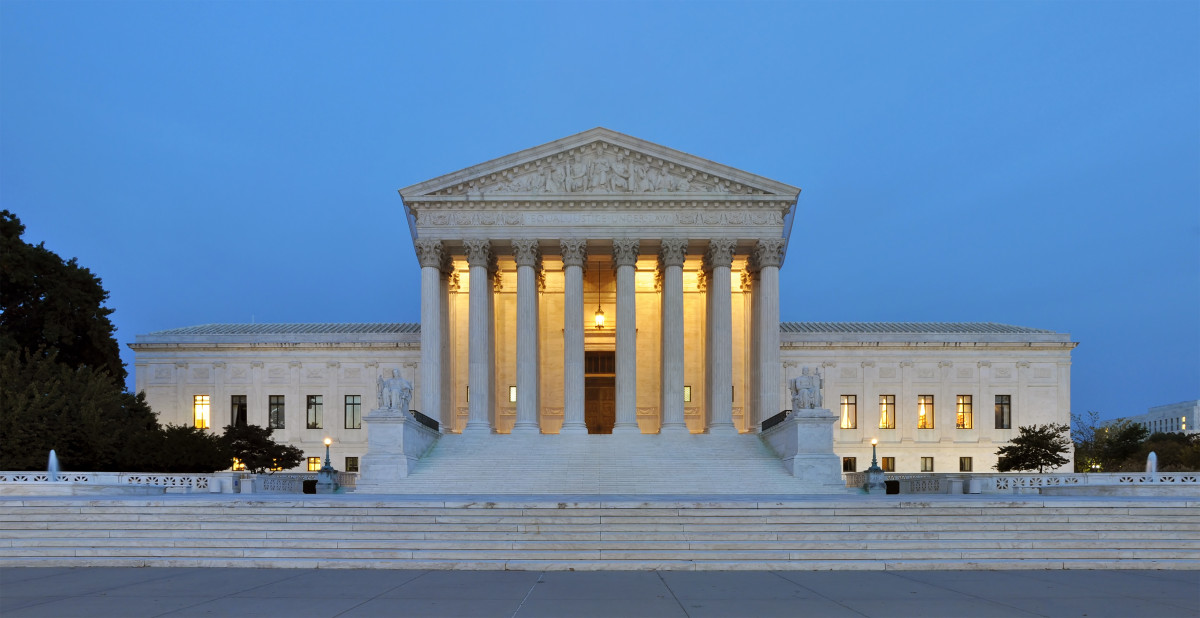
The battle lines over the Second Amendment are being drawn once again at the nation’s highest court. Just weeks into its new term, the Supreme Court has agreed to take up a second major gun rights case, this one involving a head-spinning constitutional question. This new case promises a profound test of how our 18th-century rights apply to 21st-century realities.
At stake is the constitutionality of a long-standing federal law, and the Court’s decision will have major implications for hundreds of criminal prosecutions each year. It also places the Trump administration in the unusual position of defending a federal gun restriction.
Can the Government Ban Guns for Drug Users?
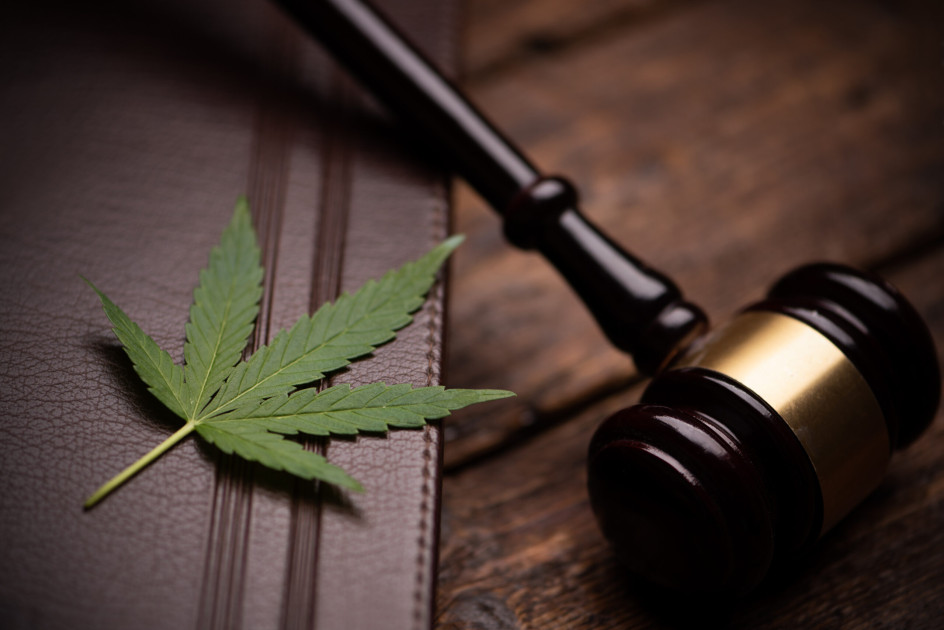
The case, United States v. Hemani, directly challenges a provision of federal law (18 U.S.C. § 922(g)(3)) that prohibits firearm possession by anyone who is an “unlawful user of or addicted to any controlled substance.” The defendant, Ali Danial Hemani, was convicted under this law based on his gun possession alongside what the government calls his “habitual use of marijuana.”
The U.S. Court of Appeals for the Fifth Circuit ruled that the law, as applied to Hemani, is unconstitutional. That court found that simply being a user of an illegal drug does not automatically strip someone of their Second Amendment rights. The Trump administration appealed this decision, urging the Supreme Court to step in and uphold the federal ban.
How Does an 18th Century Right Apply to Modern Drug Use?
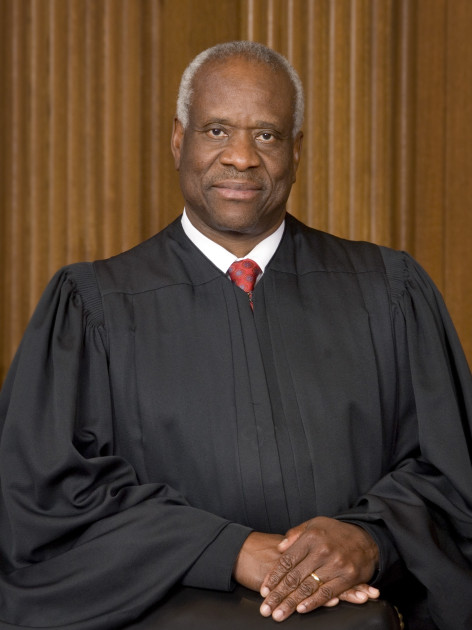
This case forces the justices to grapple with the historical test they established just three years ago in the landmark New York State Rifle & Pistol Association v. Bruen decision. Authored by Justice Clarence Thomas, Bruen declared that modern gun regulations are only constitutional if they are consistent with the nation’s “historical tradition of firearm regulation” dating back to the founding era.
Applying this test to modern drug use creates a complex puzzle. As Hemani’s lawyers argued, historical gun laws often targeted carrying weapons while under the influence of alcohol, but none barred gun possession simply by regular drinkers. The core legal question is whether the government can find a historical analogue from the 18th or 19th century that justifies disarming someone based on their status as a drug user, even if they are not intoxicated while possessing the firearm.
Why is the Trump Administration Defending a Gun Ban?
The administration’s position highlights the complex intersection of gun rights and public safety. While generally supportive of Second Amendment rights, the government argues that the ban on gun possession for habitual drug users is a critical tool for fighting violent crime.
This stance echoes the Court’s ruling last year in United States v. Rahimi, where an 8-1 majority (with only Justice Thomas dissenting) upheld a federal law disarming individuals subject to domestic violence restraining orders. Even under the stringent Bruen test, the Court found that historical tradition supported disarming individuals deemed dangerous. The government will likely argue that habitual drug users, like those under domestic violence orders, fall into a category of individuals historically understood to pose a heightened risk to public safety.
What Comes Next?
The Supreme Court will hear arguments in Hemani later this term, likely alongside the other pending Second Amendment case regarding concealed carry rights. A final decision is expected by early July 2026.
The outcome will provide crucial clarity on how the Bruen historical test applies to modern societal problems. It will tell us whether the Second Amendment protects the right to bear arms even for those engaged in illegal drug use, or if the government retains the power to disarm individuals it deems too dangerous based on their substance use. This case is a profound test of the Constitution’s adaptability and the enduring tension between individual liberty and public safety.