
The winning streak is over.
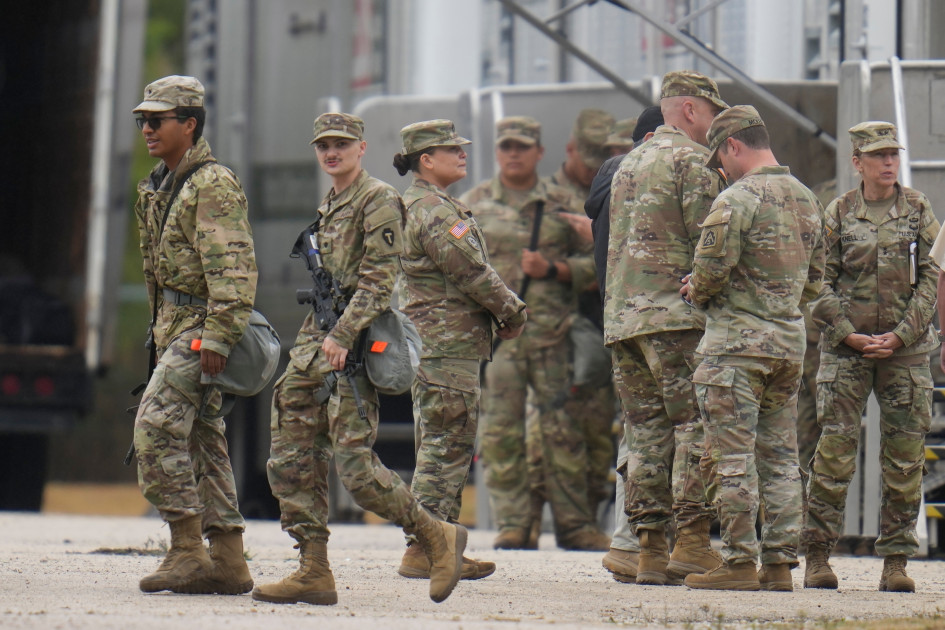
After a series of legal victories empowering the executive branch, the Supreme Court has drawn a sharp line in the sand, rejecting President Trump’s emergency request to deploy the National Guard to Chicago against the will of state leaders.
In a decision that halts the administration’s “federalization” push in its tracks—at least in Illinois—the Court ruled that the White House simply hadn’t proven it had the legal right to invade a sovereign state’s jurisdiction. This ruling creates a fractured map of American liberty, where federal troops patrol the streets of Washington D.C. and Portland, but are constitutionally barred from entering Chicago.
At a Glance: The Chicago Ruling
- The Verdict: The Supreme Court denied the Trump administration’s request to overturn a lower court order blocking the deployment of National Guard troops to Illinois.
- The Majority Opinion: The Court stated the government “failed to identify a source of authority” that allows the military to enforce laws in Illinois without the governor’s consent.
- The Dissent: Justices Samuel Alito, Clarence Thomas, and Neil Gorsuch publicly dissented, signaling they would have allowed the troops to deploy immediately.
- The Factual Dispute: The ruling relies on a lower court finding that the administration’s claims of “violent resistance” in Chicago were “unreliable” and hyperbolic.
- The Constitutional Issue: A major victory for Federalism (state sovereignty) over Article II (executive power), clarifying the limits of the President’s ability to use the military for domestic law enforcement.
‘Failed to Identify a Source of Authority’
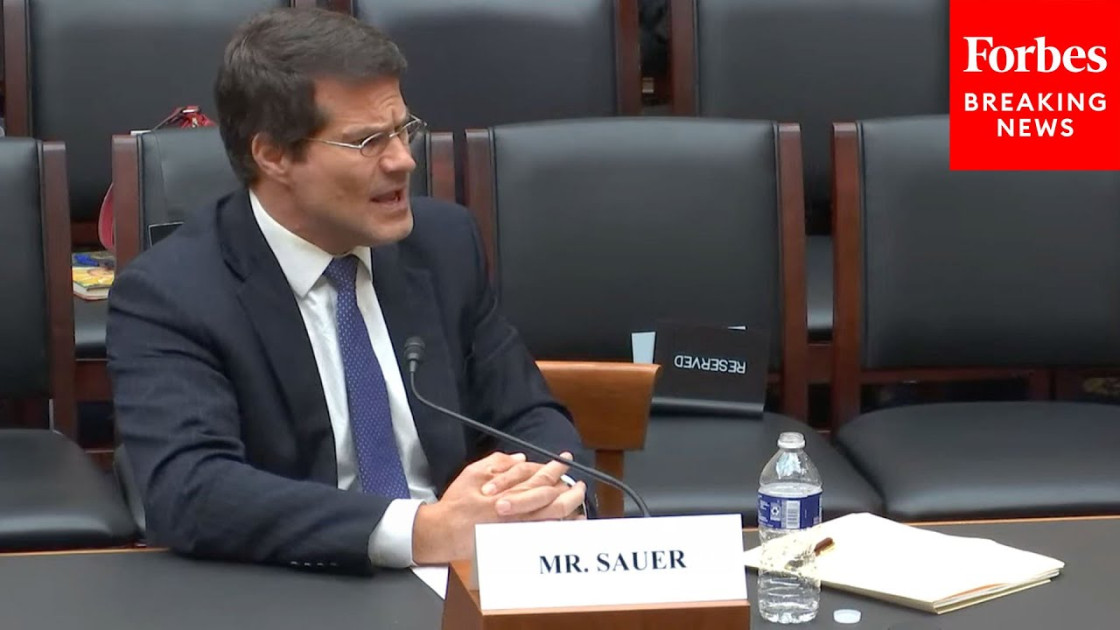
The Trump administration argued that deploying the Guard was necessary to protect federal personnel and property from “violent resistance.” Solicitor General D. John Sauer warned that blocking the troops would “needlessly endanger” officers.
However, the Supreme Court majority was unmoved. They pointed to the strict requirements of 10 U.S. Code § 12406, which allows federalization of the Guard only in specific instances: foreign invasion, rebellion, or when local law enforcement is “unable” to enforce the law.
The Court effectively ruled that the President cannot just declare a crisis; he must prove one exists under the law.
“At this preliminary stage, the Government has failed to identify a source of authority that would allow the military to execute the laws in Illinois.” — Supreme Court Majority Order
Fact-Checking the White House
This legal defeat was rooted in a factual failure.
Lawyers for the State of Illinois and the City of Chicago successfully argued that the administration’s description of the situation on the ground was “untethered from reality.” They pointed to the findings of U.S. District Judge April Perry, who ruled that the administration’s declarations about “uncontrollable” protests were “unreliable” and overstated.
The state argued that local police were handling the “isolated protest activities” just fine. By siding with the lower courts, the Supreme Court effectively agreed that the President cannot use the military to solve a problem that doesn’t exist.
A Tale of Three Cities
The ruling creates a confusing legal landscape across the country, highlighting how different judges and different facts yield different results for the same policy.
- In Chicago: The Supreme Court says NO. The factual record didn’t support a “rebellion,” so state sovereignty wins.
- In Portland: The 9th Circuit Court of Appeals recently said YES, staying a lower court order and allowing troops to deploy, despite a judge calling the plan “untethered to reality.”
- In Washington, D.C.: The D.C. Circuit said YES, ruling that because D.C. is not a state, the President has unique authority to keep troops there through 2026.
The Dissenter’s View
The decision was not unanimous. Justices Alito, Thomas, and Gorsuch—the court’s most conservative wing—voted to let the President proceed.
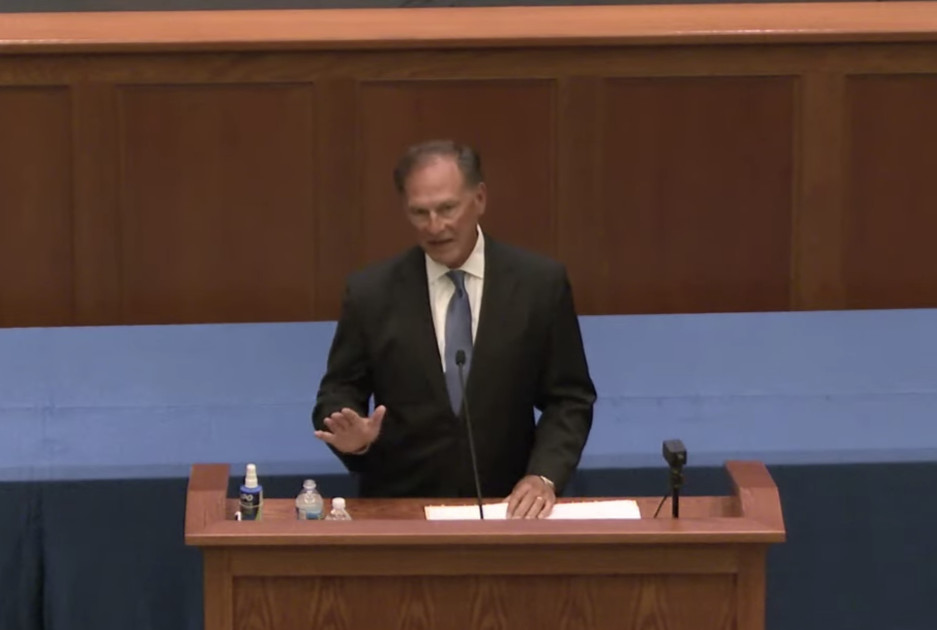
Their dissent suggests a deep ideological split within the conservative supermajority. While the majority (likely including Barrett, Kavanaugh, and Roberts) prioritized the text of the statute and state sovereignty, the dissenters appeared ready to defer to the President’s national security judgment.
For Governor J.B. Pritzker and Mayor Brandon Johnson, this is a massive, if temporary, victory. They have successfully used the courts to repel a federal intervention they described as a hostile takeover. For the President, it is a reminder that while his power is vast, the Supreme Court still demands he show his receipts before sending in the tanks.