
The legal battle of a single transgender high school student in South Carolina has just reached the highest court in the land. In a brief, unsigned order from its “shadow docket,” the Supreme Court has allowed him to continue using the boys’ restroom at his school, for now.
But the real story is not in the Court’s order; it is in the public and deep division this case has revealed among the Court’s own conservative justices.
This is not a final victory for transgender rights. It is a subtle but powerful signal from a divided Court, setting the stage for a blockbuster legal battle that will define the constitutional landscape for a generation.
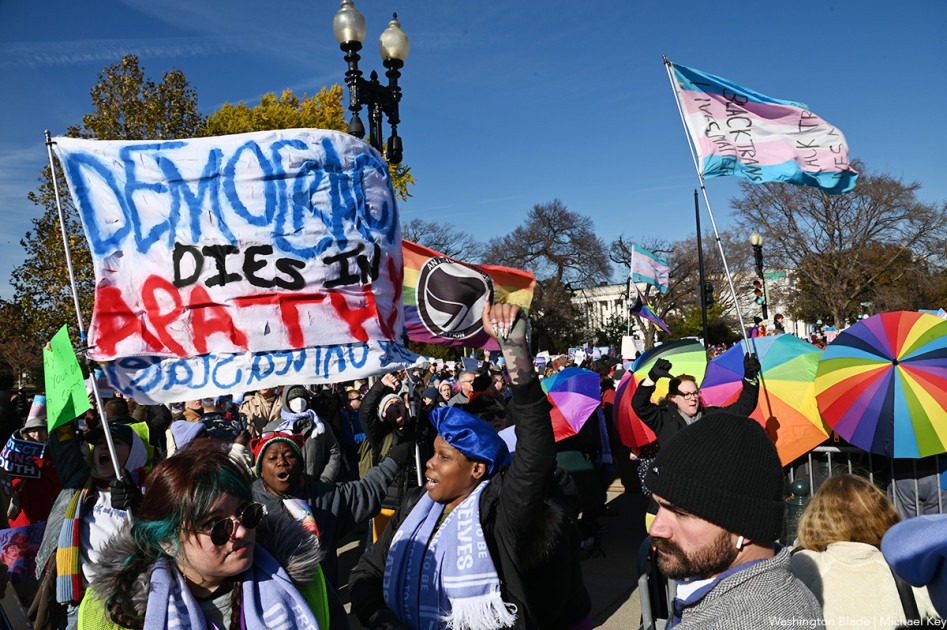
A Temporary Reprieve
The case came to the Court on an emergency basis. South Carolina sought to enforce its new state law banning transgender students from using bathrooms that match their gender identity.
The U.S. Court of Appeals for the Fourth Circuit had issued an injunction, blocking the law from taking effect while a lawsuit brought by a ninth-grade student, identified as John Doe, proceeds.
The Supreme Court’s action on Wednesday was simply a refusal to lift that injunction. This is a temporary, procedural move, not a ruling on the ultimate constitutionality of the law.
The Constitutional Battleground: The 14th Amendment
This legal fight is over one of the most powerful phrases in the Constitution. The Equal Protection Clause of the Fourteenth Amendment guarantees that no state shall “deny to any person within its jurisdiction the equal protection of the laws.”

The central question is whether a state law that singles out transgender students for different and unequal treatment violates this constitutional command. Lower courts, often relying on the logic of the Supreme Court’s 2020 Bostock decision on employment discrimination, have increasingly said “yes,” finding that these laws constitute a form of unlawful discrimination.
A Court Divided
The most significant part of this event is not what the majority did, but what the minority revealed. The court’s order noted that three justices – Samuel Alito, Clarence Thomas, and Neil Gorsuch – dissented. They would have granted South Carolina’s request and allowed the discriminatory ban to take effect immediately.
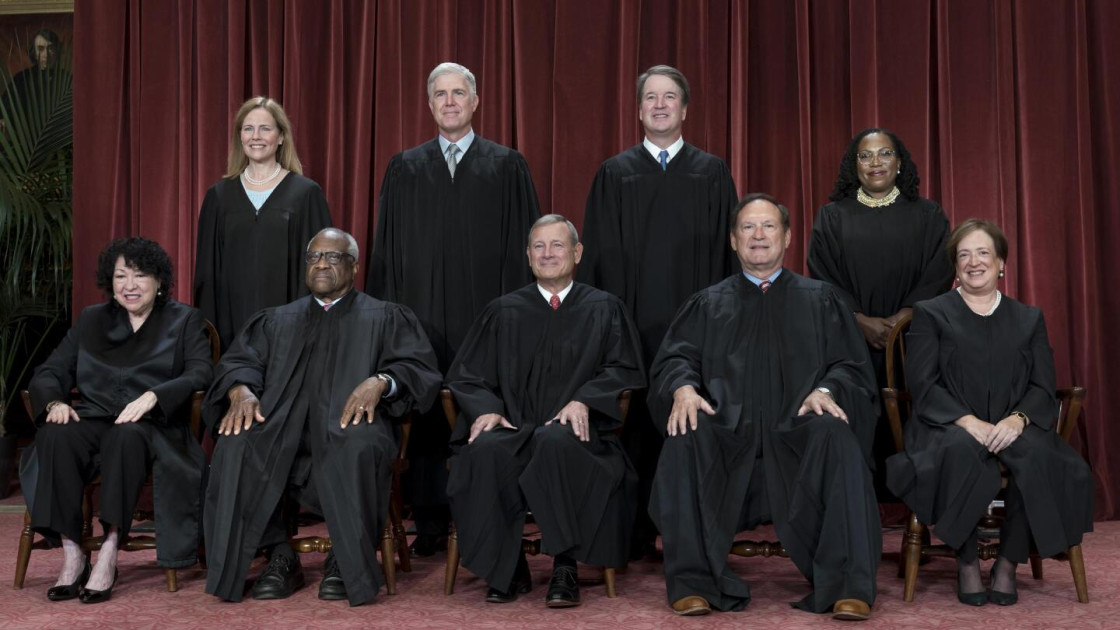
This public dissent is a clear signal that at least a third of the Court is ready and willing to rule against transgender rights. The fact that the other three conservative justices – Chief Justice Roberts, and Justices Kavanaugh and Barrett – did not join them is an equally powerful signal of a potential moderate bloc on this specific issue.
The dissent of Justice Gorsuch, who authored the landmark Bostock decision, is a particularly surprising and constitutionally significant development that will be debated by legal scholars for months.
While this order is a temporary victory for the student in this case, the larger constitutional question is far from settled. This brief shadow docket order has pulled back the curtain on a deeply divided Supreme Court. The public dissent is a clear preview of the high-stakes battle to come when the Court hears the major case on transgender athletes this term.
The future of transgender rights under the Constitution now hangs in the balance, and it may all come down to a single vote.