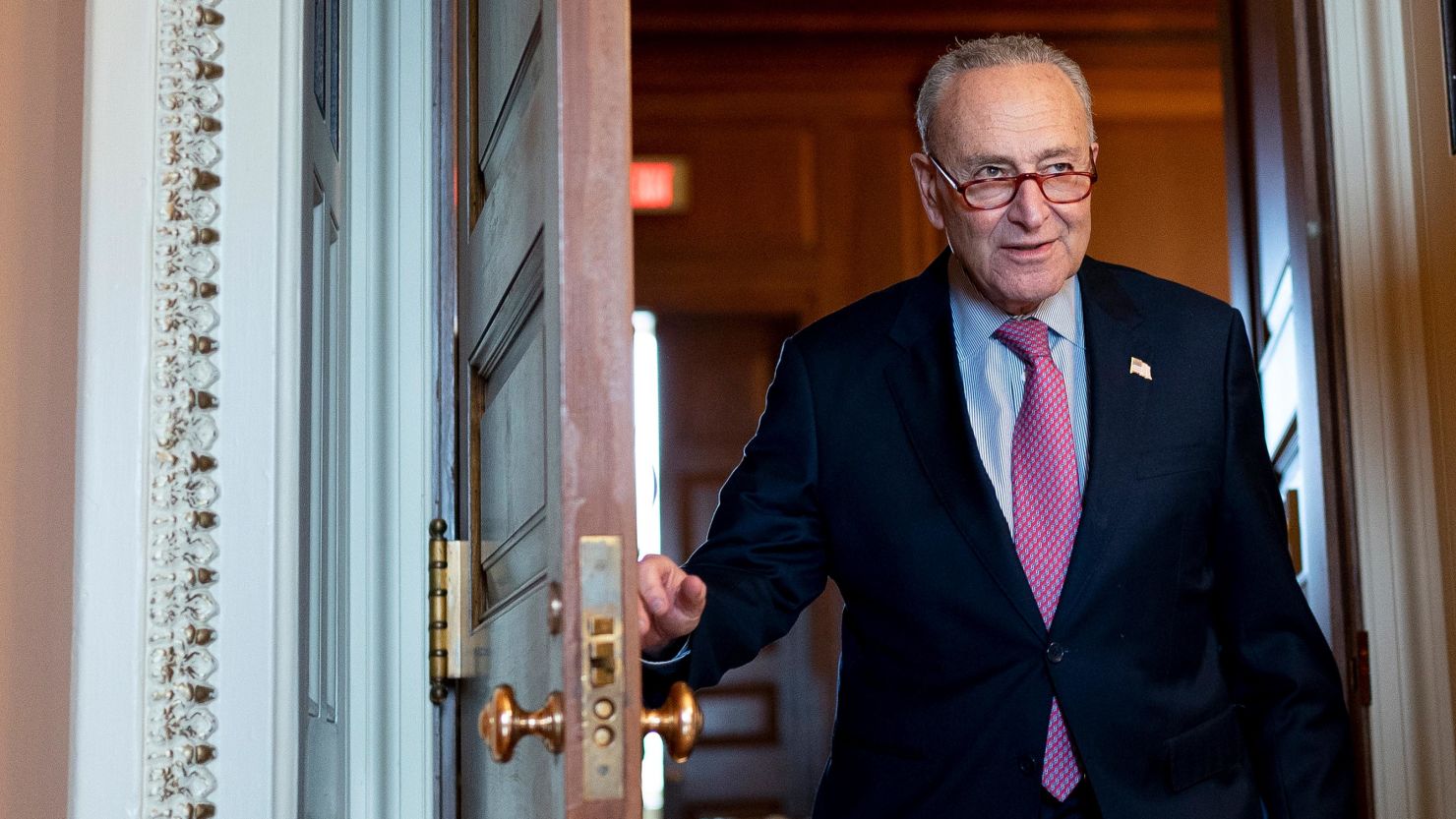
Senate Minority Leader Chuck Schumer is pushing to revive the enhanced Affordable Care Act tax credits, arguing that the price tag is comparable to recent end-of-fiscal-year Pentagon spending he criticized. But the push is colliding with renewed scrutiny of the ACA marketplace, as policy experts and federal watchdogs warn of improper enrollments, fraud vulnerabilities and rising taxpayer costs.
In a post on X, Schumer accused Department of War Secretary Pete Hegseth of spending $93.4 billion in the final month of the last fiscal year and argued that it is “roughly the cost of extending the ACA tax credits for THREE YEARS.” Schumer also highlighted what he described as “luxury foods” and comforts for service members, listing “fruit baskets, Herman Miller recliners, ice cream machines, Alaskan King Crabs, and a Steinway & Sons grand piano.”
The report noted that defense funds are not directly fungible with Obamacare subsidies. The renewed spotlight on the ACA credits is also arriving as analysts point to enrollment irregularities and fraud cases tied to the program.
A comparison questioned
Schumer’s post has drawn attention as lawmakers continue debating what to do about the enhanced subsidies that were introduced during the COVID-19 pandemic. Those enhancements made some marketplace plans free for certain low-income enrollees and expanded eligibility up the income ladder.
Brian Blase, president of the Paragon Health Institute, told Fox News Digital that the debate often blurs a key point: the enhanced subsidies are layered on top of the original Obamacare subsidies, which remain permanent in statute.
“We need to reform the ACA, not throw more taxpayer money at it,” Blase said. He added that “government subsidies don’t make the coverage more affordable. They make it more expensive overall because you have to consider the taxpayer amount.”
Improper and “phantom” enrollments
Marketplace enrollment totals can look like a straightforward measure of uptake. About 23 million people enrolled in healthcare plans in the ACA marketplace for 2026, according to the report.
But Paragon Health estimated that 3 to 4 million of those enrollees are likely “phantom enrollees,” describing them as people who are either fictitious or do not know they are enrolled in a plan. Blase said “unscrupulous” brokers and agents can enroll people without their consent, driven by incentives to sign people up.
Paragon Health also estimated that more than 6.4 million enrollees may have reported incomes low enough to qualify for enhanced subsidies even though many likely earned more. “That’s significant improper enrollment,” Blase said.
Non-use raises questions
Using data released by the Centers for Medicare & Medicaid Services last year, Paragon Health found that from 2021 to 2024 a growing share of ACA enrollees never used their health plans. In 2024, the analysis found 35% never used their coverage.
Blase said that figure was suspicious. “In a normal health insurance market, there’s about 15% of people that don’t use their health insurance in a given year,” he said.
GAO finds vulnerabilities
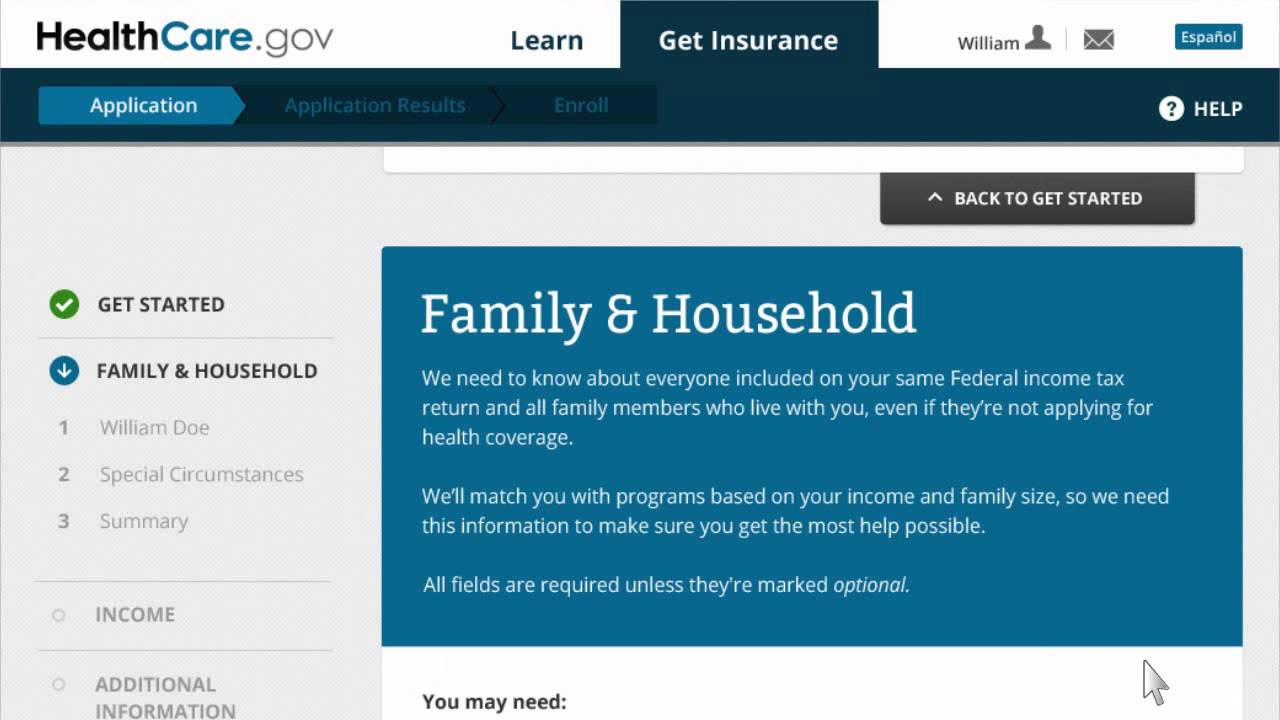
Federal watchdogs have raised similar concerns. A Government Accountability Office review found fraud risks persist in the ACA’s advance tax credit program.
In undercover testing for 2025, the ACA marketplace approved coverage for most of GAO’s made-up applicants. The watchdog found that as of September 2025, 18 of 20 fictitious enrollees remained actively covered and received more than $10,000 a month in subsidies.
The GAO report also flagged broader vulnerabilities, including tens of thousands of Social Security numbers used for multiple enrollments.
DOJ cases add pressure
The scrutiny is not limited to audits and estimates. The Department of Justice has ramped up efforts in recent years to combat fraud in the ACA marketplace, including unauthorized enrollment schemes.
In February, DOJ prosecutors secured high-profile 20-year prison sentences for two insurance executives after they were convicted by a jury of orchestrating a $233 million ACA fraud scheme that involved enrolling vulnerable people without their knowledge.
Taxpayer costs and premiums
Blase argued that even without improper enrollment problems, the subsidy structure carries large and growing costs for taxpayers as premiums rise.
“For the typical enrollee, the government is paying 80% of the premium. For lower income enrollees, the government is paying more than the premium,” Blase said, adding that the “taxpayer share of the premium continues to grow on autopilot.”
He also noted that most Americans get health insurance through an employer. Blase argued that those workers receive no direct relief from the marketplace credits while still bearing taxpayer costs.
Debt and the Pentagon angle
Schumer’s jab at Hegseth came as defense spending remains historically modest compared to past decades, totaling about 3.7% of gross domestic product, according to a Federal Reserve Bank of St. Louis series cited in the report. It also comes as the growing national debt is set to eclipse about $39 trillion this month.
End-of-year federal spending spikes are not unique to the Pentagon. The report noted that spending at the end of the fiscal year has been notoriously high across administrations as agencies face pressure to “use it or lose it” to justify the next year’s budget. The Pentagon’s September costs nearly mirrored the $79 billion Defense Secretary Lloyd Austin spent in September 2024.
The report also noted that social media users swiftly criticized Schumer over the X post, accusing him of cherry-picking a politically convenient moment to care about spending, and pointing out that the Biden administration had similar expenses.
White House response
The White House criticized Schumer’s messaging. White House spokesman Kush Desai called Schumer’s remarks a “vapid PR stunt” in a statement to Fox News Digital.
“If Chuck Schumer really cared about healthcare affordability, he would drop the vapid PR stunts and spend his time working with the Administration and Republicans to pass President Trump’s Great Healthcare Plan to lower premiums and slash drug prices,” Desai said.
Schumer’s office did not respond to Fox News Digital’s request for comment on Blase’s remarks, according to the report.
Fraud enforcement expands
Separately, the report said that after uncovering millions of dollars in misuse of federal funds in Minnesota, the Trump administration established a new National Fraud Enforcement Division within the DOJ this year as part of a “whole-of-government” crackdown on welfare fraud nationwide. The division is set to target Minnesota’s and other states’ social service programs in search of fraud.
What comes next
The dispute over enhanced ACA credits has been a recurring flashpoint on Capitol Hill. Democrats and Republicans were locked in a standoff last year over extending the subsidies, a fight that helped fuel a six-week government shutdown. Democrats have cited sharp rises in premium costs for individuals as they continue to push to extend the credits.
But as Schumer argues for another extension, the marketplace’s vulnerabilities are getting more attention from analysts and watchdogs. The question facing lawmakers is not only how to pay for enhanced subsidies, but whether the enrollment and verification systems are strong enough to prevent improper sign-ups and stop subsidies from flowing to coverage that should not exist in the first place.