
A Republican lawmaker has taken the extraordinary and rarely used step of introducing articles of impeachment against a sitting federal judge, escalating a brutal political war over the separation of powers.
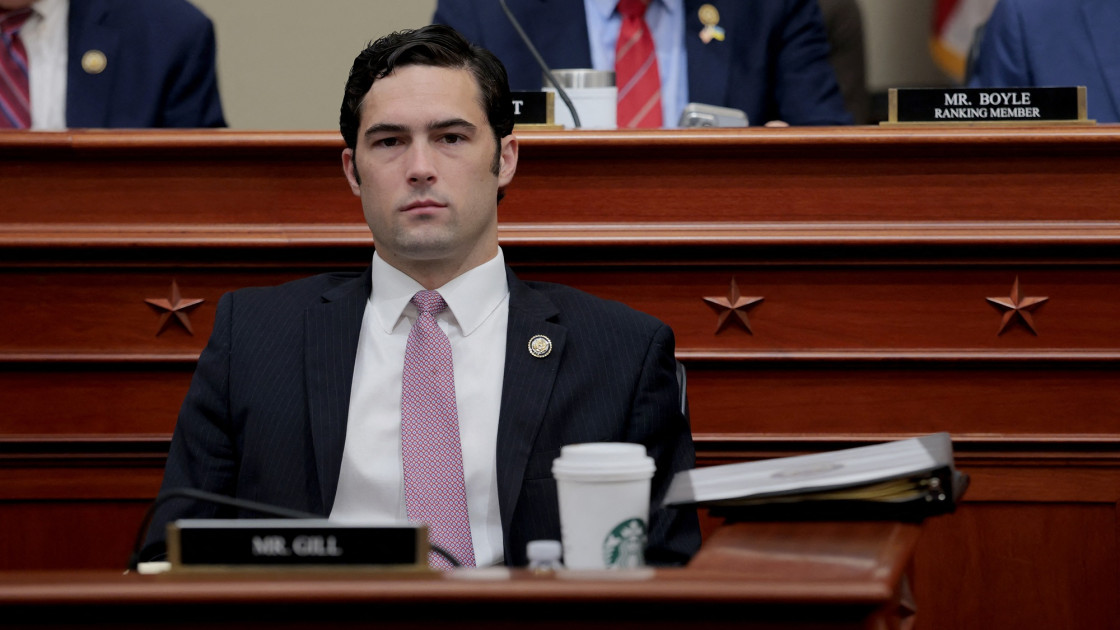
Representative Brandon Gill of Texas on Tuesday filed a resolution to impeach U.S. District Judge James Boasberg, accusing him of “high crimes and misdemeanors” for his role in the “Arctic Frost” investigation that targeted Republican members of Congress.
This move is a direct, confrontational challenge from the legislative branch to the judicial branch, and it raises profound constitutional questions about judicial independence and political accountability.
At a Glance: The Impeachment Resolution
- What’s Happening: Rep. Brandon Gill (R-TX) has filed articles of impeachment against U.S. District Judge James Boasberg.
- The Charge: The resolution accuses Boasberg of “abuse of power” for his role in the “Arctic Frost” investigation, which was run by former Special Counsel Jack Smith.
- The Context: Boasberg, in his role as Chief Judge of the D.C. District Court, approved subpoenas and non-disclosure orders for the phone records of 11 Republican lawmakers related to the 2020 election.
- The Constitutional Issue: This is a direct clash between Congress’s impeachment power (Article II, Section 4) and the judicial independence granted to judges under Article III. It also involves the Speech or Debate Clause (Article I), which Republicans argue protected them from the subpoenas in the first place.
‘An Accomplice in an Egregious Scandal’
The impeachment resolution accuses Judge Boasberg of “shamelessly weaponizing his power against his political opponents” and acting as an “accomplice” in the “Arctic Frost” probe.
The core of the allegation is that Boasberg, by signing off on the subpoenas and gag orders, violated the constitutional rights of members of Congress.
“These nondisclosure orders covered Members of Congress who were acting in accord with their legislative duties and privileges guaranteed by Article 1, Section 6, Clause 1 of the U.S. Constitution.” – Text of Rep. Gill’s impeachment resolution
That clause, known as the Speech or Debate Clause, protects lawmakers from being questioned or arrested for their legislative acts. Republicans argue that their actions surrounding the 2020 election were protected legislative conduct.
The Constitutional Separation of Powers
This is a very serious and very rare constitutional confrontation. The Founders, fearing a politicized judiciary, placed powerful firewalls between the branches.
Under Article III of the Constitution, federal judges are appointed for life “during good Behaviour.” This is intended to protect them from political pressure, allowing them to make unpopular rulings without fear of being fired by a President or Congress.
The only way to remove a federal judge is through impeachment, the same power Congress has over the President. A judge can be impeached by the House and convicted by the Senate for “Treason, Bribery, or other high Crimes and Misdemeanors.”
Historically, this power has been used for serious criminal or ethical misconduct, not for judicial rulings that one party dislikes. Rep. Gill’s resolution, however, argues that Judge Boasberg’s actions in the “Arctic Frost” probe are an abuse of power that rises to the level of an impeachable offense.
A Judge in the Crosshairs
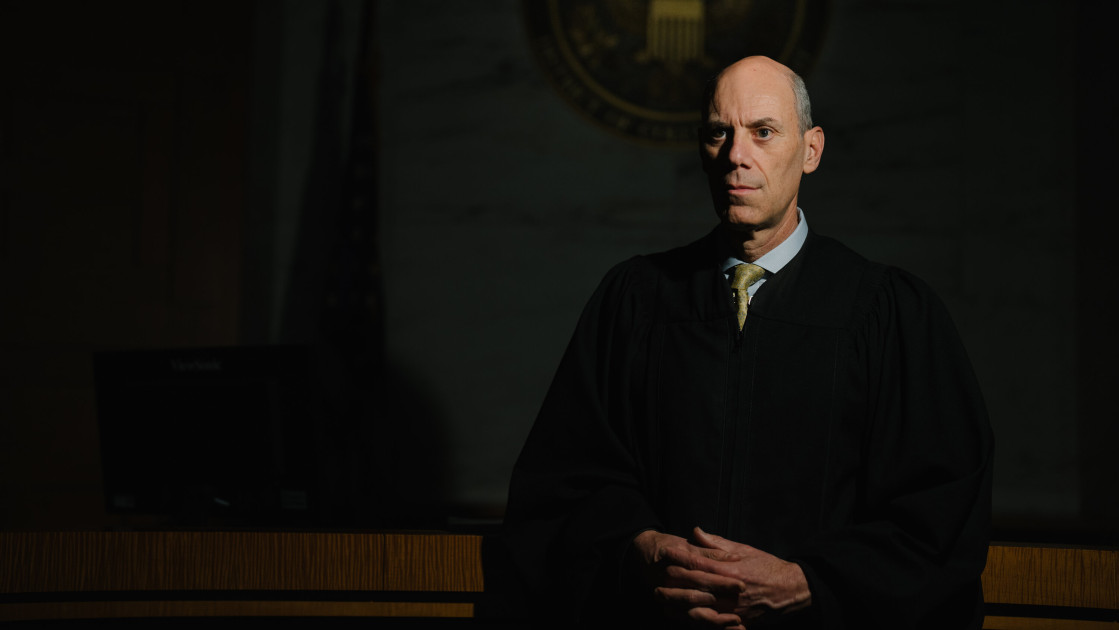
This is not the first time Judge Boasberg, an Obama appointee, has drawn the ire of the Trump administration and its allies.
He has been a central figure in several politically explosive cases. He previously served as the presiding judge of the secretive FISA Court, and he infuriated Republicans by sentencing former FBI lawyer Kevin Clinesmith to probation for altering an email related to the Carter Page surveillance.
More recently, he was the judge who issued an emergency order blocking the Trump administration’s plan to deport Venezuelan migrants, a move that prompted President Trump to suggest he should be “IMPEACHED.”
A Political Warning Shot
While the bar for impeaching and removing a federal judge is incredibly high – and unlikely to succeed – the filing of this resolution is a powerful political act in itself.
It serves as an official and public condemnation of a sitting judge by a member of a co-equal branch of government. It also sends a clear and unmistakable warning to the rest of the federal judiciary: rulings that are perceived as politically motivated against the administration will be met with severe political consequences.
This action deepens the divide between the branches and further strains the norms that have long protected the judiciary from direct political retaliation.