
The long – standing tradition of judicial independence is facing its most severe test as the White House signals its full support for a campaign to remove sitting federal judges. By labeling specific jurists as “partisan activists,” the administration is attempting to redefine the constitutional standard for impeachment from criminal misconduct to ideological defiance.
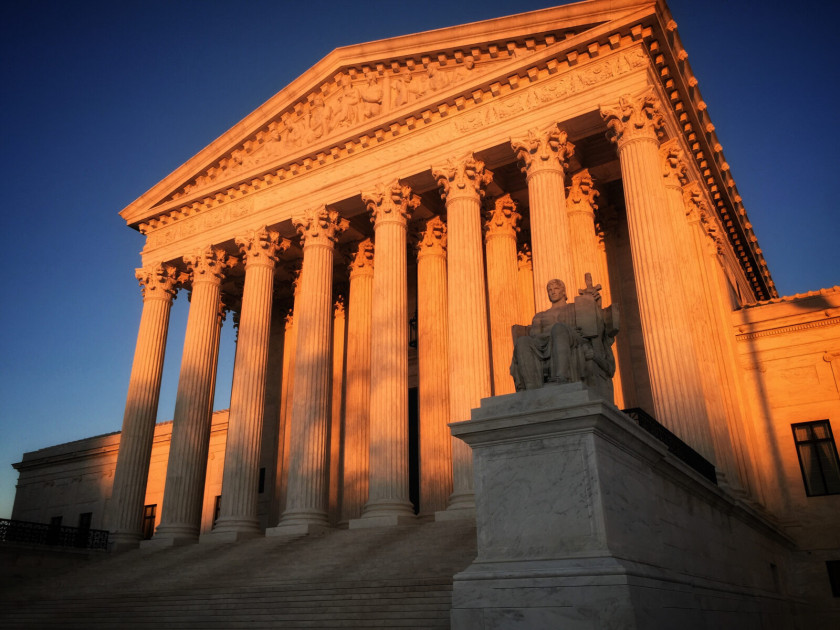
The Targeted Jurists: Boasberg and Boardman
At the center of this escalating conflict are U.S. District Judges James Boasberg and Deborah Boardman. The White House, in a dramatic shift from historical norms, has publicly backed a Senate Judiciary Committee inquiry into whether these judges have forfeited their right to remain on the bench. Officials argue that these “rogue” judges have effectively declared war on the President’s lawful agenda, using their gavels to implement a radical, partisan vision.
Judge James Boasberg, the Chief Judge of the D.C. District Court, has become a primary target due to his rulings on immigration and his role in the “Arctic Frost” investigation.
Republicans allege that Boasberg overstepped his authority by authorizing subpoenas for the phone records of sitting members of Congress.
They argue this was an unconstitutional breach of the Speech or Debate Clause, which is designed to protect legislators from executive and judicial harassment.
Meanwhile, Judge Deborah Boardman is facing intense scrutiny for a sentencing decision that critics have labeled a “travesty of justice.” Boardman sentenced the man who attempted to assassinate Supreme Court Justice Brett Kavanaugh to eight years in prison – far below the 30 years requested by federal prosecutors. The administration contends that such leniency toward political violence is a clear sign that a judge is no longer impartial.
How We Got Here: The “Good Behavior” Standard
To understand the legal battle ahead, one must examine the specific constitutional language that governs the tenure of federal judges. Unlike the President or members of Congress, federal judges are appointed for life, serving as long as they maintain “Good Behavior.”
- Article III, Section 1: This clause provides that judges “shall hold their Offices during good Behavior,” a high bar intended to insulate the judiciary from political pressure.
- 1804: Justice Samuel Chase became the only Supreme Court Justice to ever be impeached. The Senate ultimately acquitted him, establishing the precedent that a judge should not be removed simply for their judicial philosophy or “bad” rulings.
- 1989: Judge Alcee Hastings was impeached and removed for bribery and perjury, reinforcing the idea that criminal misconduct is the traditional threshold for removal.
- 2026: The current movement seeks to interpret “Good Behavior” more broadly, suggesting that habitual partisan rulings constitute a violation of the constitutional trust.
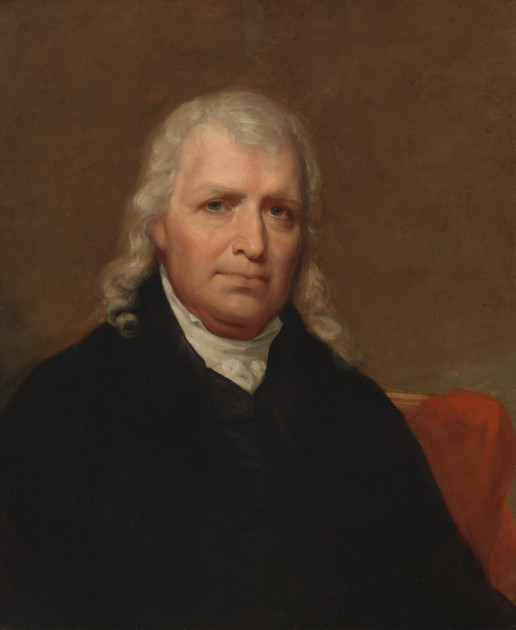
The “Arctic Frost” and the Separation of Powers
The friction between the executive branch and Judge Boasberg reached a boiling point during the “Arctic Frost” investigation, a wide – reaching federal probe that has swept up the records of hundreds of individuals. When it was revealed that Boasberg signed off on non – disclosure orders that kept subpoenas for congressional phone records secret for a year, the outcry was immediate.
Critics of the judge argue that by allowing the executive branch to surveil its co – equal branch – the legislature – Boasberg failed in his duty as a constitutional referee.
They contend that a judge who facilitates such a “fishing expedition” against a specific political party is no longer an impartial arbiter of the law.
In response, some legal scholars and Democratic lawmakers, such as Senator Sheldon Whitehouse, argue that the proper remedy for a bad ruling is an appeal, not an impeachment. They warn that using impeachment to punish judges for their decisions would destroy the Separation of Powers and turn every federal court into a political battleground.
A Pivot by the House Leadership
The momentum for these impeachments received a significant boost from Speaker of the House Mike Johnson. In a notable departure from his 2025 stance – where he argued that impeachment was an extreme measure reserved for “brazen” crimes like taking cash in an envelope – Johnson now says he is “for it.”
He recently stated that “extreme times call for extreme measures,” suggesting that the judiciary has drifted so far from its constitutional moorings that Congress must “lay down the law.”
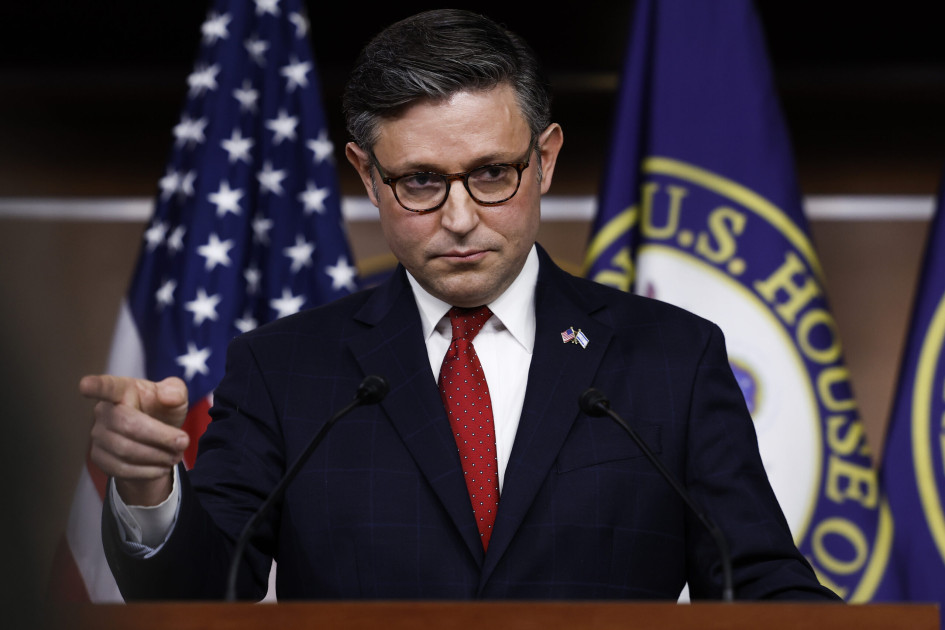
This shift by the Speaker indicates that the House is preparing to move beyond mere rhetoric and toward the filing of formal Articles of Impeachment.
- The House Role: The House of Representatives has the “sole Power of Impeachment,” acting essentially as a grand jury to determine if there is enough evidence to proceed to a trial.
- The Senate Role: The Senate has the “sole Power to try all Impeachments,” requiring a two – thirds majority to convict and remove a judge from office.
- The Political Reality: With a narrowly divided Senate, a conviction remains a difficult prospect, but the House can use the impeachment process to stage a public trial of the judge’s record.

The “Rogue Judge” Label and the Rule of Law
The White House’s embrace of the “rogue judge” label represents a fundamental challenge to the Unitary Executive Theory. The administration’s position is that the President has a mandate from the people to implement his agenda, and that the judiciary cannot be allowed to act as a “super – legislature” that blocks that agenda through activist rulings.
However, the counter – argument is that the judiciary’s very purpose is to serve as a check on executive overreach. If a judge finds that an administration’s deportation flights under the Alien Enemies Act are “plainly illegal,” they are fulfilling their constitutional duty to uphold the rule of law.
The administration’s frustration with Boasberg’s rulings on the transfer of migrants highlights this tension. By blocking the administration from deporting non – citizens without due process, the judge is directly clashing with the President’s vision of border security. For the administration, this is partisanship; for the judge’s defenders, it is protection of the Constitution.
The High Cost of Judicial Intimidation
The debate over judicial impeachment does not occur in a vacuum. Senator Whitehouse and others have pointed to a rising tide of threats and “swatting” attempts against federal judges and their families. They argue that when the White House and high – profile lawmakers target individual judges for impeachment over their rulings, it fuels an environment of intimidation and violence.
The Department of Justice’s refusal to assure Congress that they are investigating these threats as an “orchestrated” pattern has only added to the anxiety. If judges feel that a “wrong” ruling will result in the loss of their career – or worse, a threat to their family – the very concept of an independent judiciary may vanish.
Ultimately, the push to impeach Boasberg and Boardman is a battle over the soul of the American court system.
Is a judge an independent protector of the law, or are they an officer who must remain “in sync” with the elected branches? As the House prepares to debate these articles, the nation is watching to see if the gavel will remain a symbol of impartial justice or become a trophy of political war.