
A recent ruling from a federal appeals court about a student drag show would normally not make national headlines. But a blistering dissent attached to that ruling, authored by one of President Trump’s most prominent judicial appointees, has turned the case into a major political and constitutional flashpoint.
The dissent, written by Judge James Ho of the 5th U.S. Circuit Court of Appeals, is more than just a legal argument. It is a culture war manifesto and what many in Washington are calling a direct audition for the next open seat on the Supreme Court.
The Judge Ho Dissent
- What’s Happening: Federal appeals court Judge James Ho, a potential Trump Supreme Court nominee, has written a fiery dissent in a case about a student drag show.
- The Case: A 2-1 majority on the 5th Circuit ruled that a university-canceled drag show was protected First Amendment speech.
- Ho’s Dissent: He accused the majority of favoring “cultural elites” over religion and argued the ruling could lead to men competing in women’s sports – an issue not present in the case.
- The Constitutional Issue: A clash over the First Amendment, pitting the majority’s view on free speech and expressive conduct against Ho’s focus on religious freedom and what he sees as judicial double standards.
A Campus Drag Show and a First Amendment Fight
The case began simply enough. An LGBTQ+ student organization at West Texas A&M University planned to host a charity drag show on campus. The university’s president canceled the event, and the students sued, arguing their First Amendment rights had been violated.
A 2-1 majority on the 5th Circuit panel agreed with the students. In a straightforward opinion, they ruled that a drag show is a form of expressive conduct, like theater or performance art, and is therefore speech protected by the Constitution. The university, as a government entity, could not cancel the show simply because it disagreed with the message.
The Dissent: A Rebuke of ‘Cultural Elites’
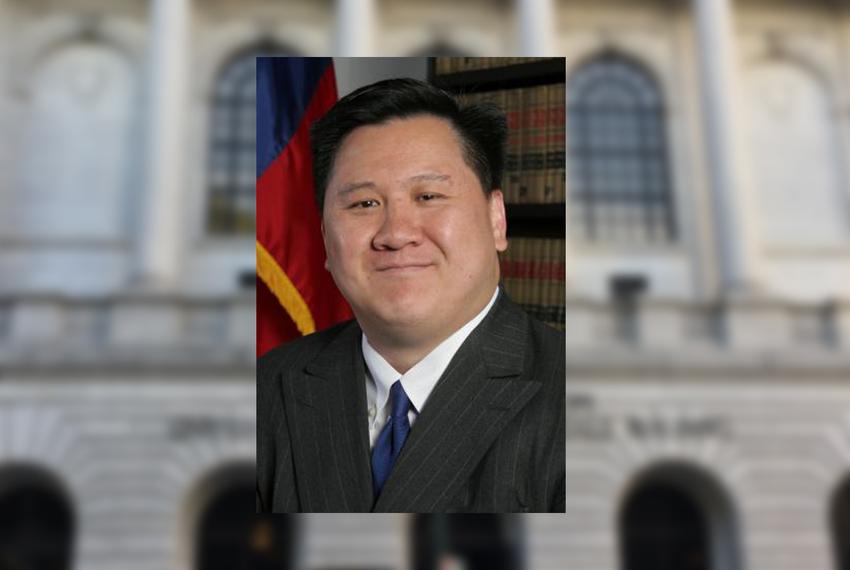
Judge Ho, a Trump appointee, saw the case very differently. His dissent was not a narrow legal argument, but a broadside against what he called “cultural elites.”
He argued that the court should have been bound by a 2010 Supreme Court precedent, Christian Legal Society v. Martinez, which had ruled against a religious student group. He accused his colleagues of applying a double standard.
“I will not apply a different legal standard in this case, just because drag shows enjoy greater favor among cultural elites than the religious activities at issue in CLS.” – Judge James Ho
Judge Ho then made a “slippery slope” argument, connecting the drag show to the separate and highly contentious issue of transgender athletes in women’s sports. He wrote that if universities “allow men to act as women in campus events like drag shows, they may feel compelled to allow men to act as women in other campus events as well — like women’s sports.”
The Constitutional Role of a Judge
The stark contrast between the majority opinion and the dissent highlights a deep and growing debate about the proper role of a judge in our constitutional system.
The majority opinion was a work of judicial restraint. It focused narrowly on the specific legal question before the court: Is this particular drag show a form of protected speech? They answered “yes” and went no further.
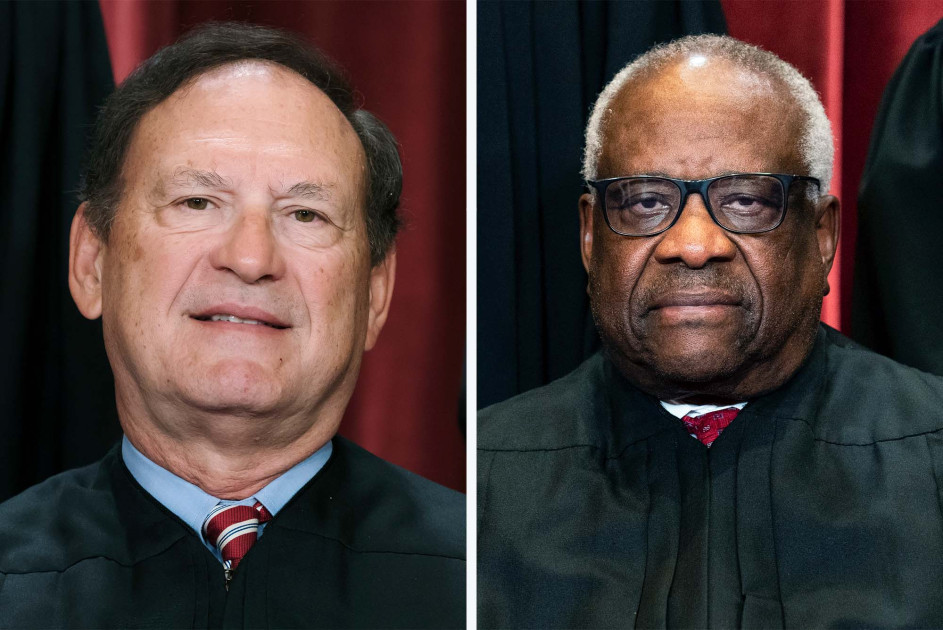
Judge Ho’s dissent, by contrast, was an act of judicial engagement. He used the case as a platform to weigh in on broader cultural debates, to critique a decade-old Supreme Court precedent he dislikes, and to signal his alignment with the court’s most conservative justices, Clarence Thomas and Samuel Alito, whom he cited by name.
“The stark contrast in the opinions highlights a deep debate about the role of a judge: Is it to resolve the specific legal dispute at hand, or to use a case as a vehicle for a broader philosophical and political statement?”
An Audition for the High Court
This dissent is being read so closely in Washington because it is seen as a clear signal of Judge Ho’s ambitions. The Trump White House has made no secret of its desire to appoint future Supreme Court justices in the mold of Thomas and Alito.
Judge Ho’s dissent – with its combative, culture-warrior style, its disdain for “elites,” and its explicit praise for the court’s conservative icons – is a perfectly crafted application for that job.
While the case before the 5th Circuit was about a campus drag show, Judge Ho’s powerful dissent was a message aimed squarely at an audience of one in the White House.