
A Portland police sergeant wrote an email describing three people who were assaulted outside an ICE facility as a “chronic source of police calls” who “constantly return and antagonize the protesters until they are assaulted or pepper sprayed.” The victims included a conservative journalist covering the protests for the Post Millennial.
Sgt. Andrew Braun’s email was filed in Oregon federal court as part of the state’s lawsuit against President Trump’s National Guard deployment. It reveals how Portland police view the ongoing anti-ICE protests – not as law enforcement situations requiring protection of all citizens regardless of political views, but as management problems where certain victims make police work harder by refusing to stay away from people who assault them.
The message to journalists and citizens documenting protests is clear: if you get attacked, police may blame you for being there in the first place.
When Victims Become the Problem Portland Police Want to Solve
Braun’s September 21 email lists three individuals as assault victims: Rhein Amacher, 35, Chelly Bouferrache, 56, and Katelyn Daviscourt, 31. All three have been documenting anti-ICE protests in Portland through social media and journalism.
“Despite repeated advice from officers to stay away from the ICE crowd, they constantly return and antagonize the protesters until they are assaulted or pepper sprayed,” Braun wrote. “They refuse or are reluctant to walk away from these confrontations, even when police are in the area trying to meet with them.”
The framing positions assault victims as problems rather than people whose rights were violated. Braun doesn’t describe protesters who commit assaults as chronic sources of police calls – he describes the people getting assaulted that way. The victims “antagonize” until they’re attacked, as though their presence justifies violence against them.
Daviscourt responded to the characterization directly: “The Portland Police Bureau is trying to cover for the fact that they can’t keep the city safe and, instead of acknowledge their own failures, they smear journalists like me who have been diligently covering the violence at the ICE facility.”
She’s a reporter doing journalism. Braun describes her as antagonizing protesters until they assault her, then refusing to walk away even when police are present.
The Constitutional Problem With Telling Citizens Where They Can’t Go
Americans have First Amendment rights to observe and document protests, including protests they disagree with. Journalists have constitutional protections to cover newsworthy events even when their presence makes law enforcement’s job more difficult. Citizens can stand on public property regardless of whether police think their presence is helpful.
Braun’s email suggests Portland police believe these rights are conditional – exercisable only when police approve of the purpose and only in locations where police determine your presence won’t create problems.
“Despite repeated advice from officers to stay away from the ICE crowd” reveals the framework: police advised citizens to avoid exercising constitutional rights in certain locations because their presence might provoke violence from protesters. When those citizens ignored that advice and got assaulted, police characterized them as chronic problems who bring attacks on themselves.
This is textbook victim-blaming disguised as operational assessment. Replace “counter-protesters at ICE facility” with “women at bars” and the logic becomes obviously unacceptable: “Despite repeated advice to stay away from certain neighborhoods, she constantly returns and antagonizes men until she is assaulted. She refuses to walk away even when police are in the area.”
The fact that someone’s presence makes others violent doesn’t mean that person loses constitutional rights to be present. It means police have an obligation to prevent violence regardless of whether they find victims inconvenient.
What “Antagonizing” Actually Means in Police Language
Braun doesn’t specify what antagonizing behavior the three individuals engaged in. He doesn’t describe them threatening protesters, initiating physical contact, or violating laws. He describes them being present, documenting protests, and refusing to leave when advised.
That’s what “antagonizing” means in this context – existing in spaces where your political views differ from the majority and declining police suggestions that you go somewhere else for your own safety.
Amacher describes himself as a “Right-wing Provocateur” on social media. Bouferrache’s account identifies her as a “Blue state dissident” and “Anti-Communist.” Daviscourt is an investigative reporter for the Post Millennial who has extensively covered Portland protests and Antifa activity.
All three X accounts share video and coverage of anti-ICE protests. That documentation is apparently what Braun considers antagonizing – recording protest activity and sharing it publicly in ways that don’t align with progressive narratives about the demonstrations.
Journalism becomes antagonism. Documentation becomes provocation. And when protesters respond to that documentation with violence, police describe victims as chronic sources of calls rather than citizens whose rights were violated.
The September 20 Incident That Braun Characterized as Victim Problem
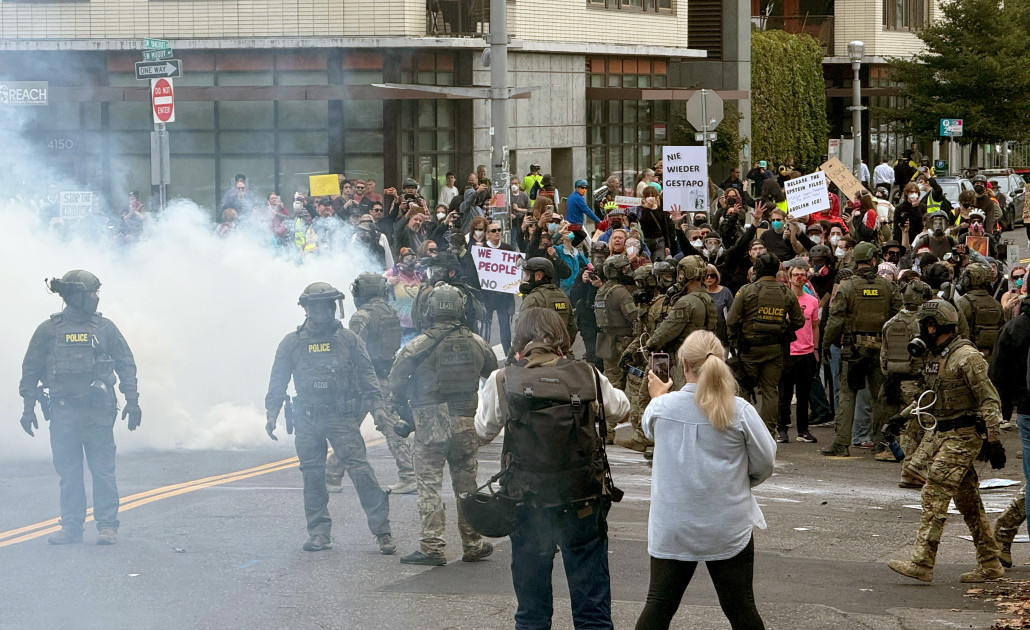
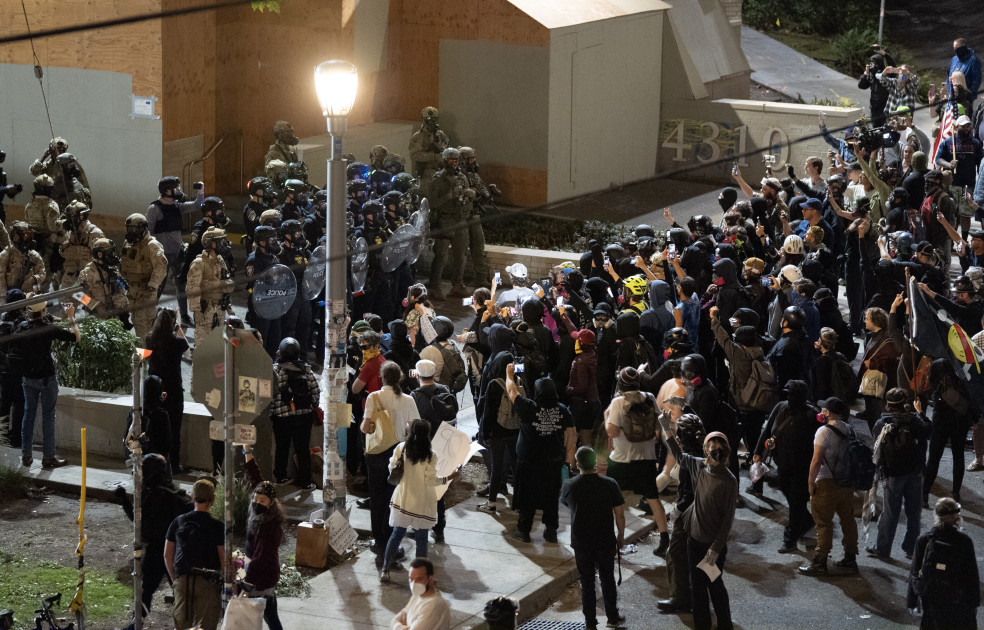
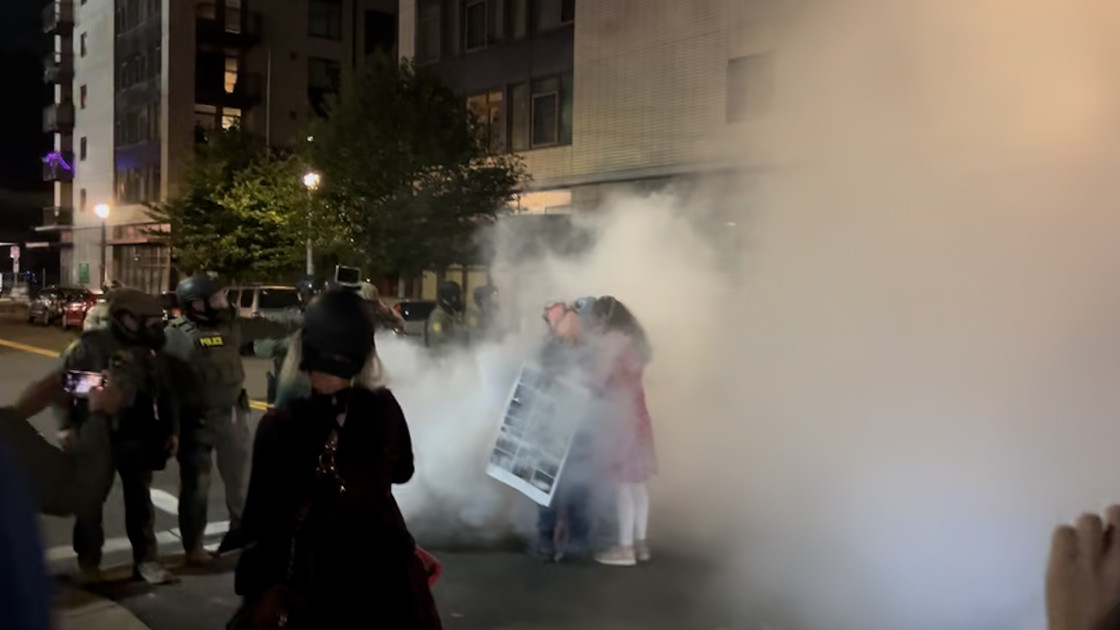
Braun’s email described a September 20 disturbance involving Amacher and approximately 50 protesters who were “more agitated than most nights.” A protester pepper-sprayed Amacher and a second counter-protester. Police searched for the suspect but were unsuccessful.
Despite failing to apprehend someone who committed assault, Braun’s email focuses on how the victims “constantly return” to locations where they get attacked. The operational failure isn’t that police couldn’t protect citizens from violence or identify suspects who committed crimes. The operational failure is that victims keep exercising constitutional rights in ways that create work for police.
Braun noted that the agitated demeanor of protesters shifted and they began dispersing after police drove through the area several times. That suggests a police presence could de-escalate situations and prevent assaults – but Braun’s email doesn’t recommend increased police presence to protect citizens. It recommends those citizens stay away so police don’t have to deal with the situation.
The victims are treated as the variable police can control. Protesters who commit assaults are treated as environmental hazards that victims should avoid rather than criminals police should arrest.
When Federal Court Filings Reveal What Police Actually Think
Braun’s email became public because it was filed in Oregon federal court as part of the state’s lawsuit against Trump’s National Guard deployment to Portland. The email was apparently intended to provide context about ongoing situations at the ICE facility – and inadvertently revealed how Portland police conceptualize their role.
Andy Ngo, a senior editor at the Post Millennial who frequently covers Antifa and protests, noticed the email in the court filing. Ngo himself has been repeatedly assaulted while covering Portland protests and has documented what he characterizes as law enforcement failure to protect journalists and citizens documenting left-wing protest violence.
The email supports Ngo’s characterization. When a police sergeant describes assault victims as chronic sources of calls who antagonize until they’re attacked, he’s acknowledging that police view protecting certain citizens as burdensome rather than as core duty.
That worldview has consequences. If journalists and citizens know police will blame them for being assaulted rather than protect them from assault, fewer will document protests in person. That reduces public accountability and allows protest violence to occur without independent verification.
Which may be exactly what Portland police prefer – fewer witnesses means fewer calls to respond to, fewer difficult situations to manage, and fewer documented failures to protect citizens exercising constitutional rights.
The Pattern That Extends Beyond One Email
Portland has faced ongoing criticism for how police handle protest violence, particularly when that violence comes from left-wing protesters. Critics argue police allow Antifa and progressive protesters to engage in violence while cracking down harder on conservative demonstrators.
Braun’s email provides evidence for that critique. He describes counter-protesters as antagonizers who bring assaults on themselves, while describing the “main crowd” of anti-ICE protesters as people police try to avoid confronting. Officers “were able to avoid a confrontation with the main crowd” after searching unsuccessfully for an assault suspect – suggesting avoiding confrontation with protesters who commit crimes is viewed as successful policing.
The email also notes that the three victims “even engage in the same trespassing behavior on federal and trolley property as the main protesters” – acknowledging that anti-ICE protesters routinely trespass but characterizing it as noteworthy when counter-protesters do the same thing.
If both groups trespass on federal property, why are only counter-protesters described as chronic problems? If protesters on both sides commit violations, why does Braun’s email focus exclusively on how victims make police work harder rather than how assailants create public safety threats?
The answer appears to be that Portland police have decided managing progressive protests requires minimizing confrontation with those protesters – even when they commit crimes – while maximizing pressure on people documenting those protests to stay away.
What Homeland Security Secretary Says About Portland Violence
Homeland Security Secretary Kristi Noem addressed Portland ICE facility violence on Fox & Friends Weekend, arguing that Democrats are “giving criminals air cover” by downplaying targeted violence against ICE agents and facilities.
The violence Noem describes includes the assaults Braun’s email addressed – but while Noem characterizes it as criminal activity requiring federal response, Braun characterizes it as something victims bring on themselves by refusing police advice to stay away.
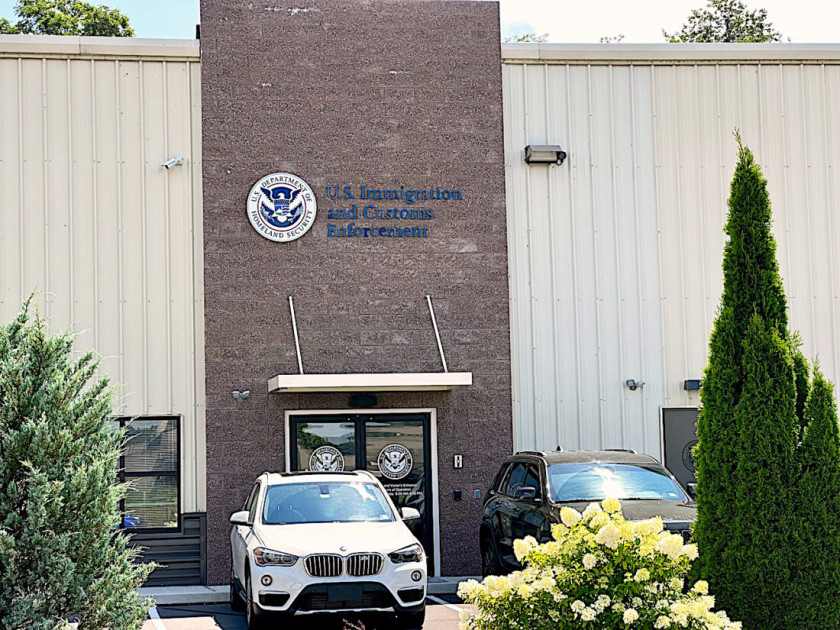
That gap between federal law enforcement priorities and local police perspectives creates the dysfunction currently playing out in Portland. Federal authorities want to enforce immigration law and protect ICE facilities from violent interference. Local police want to minimize confrontations with protesters even when those protesters commit assaults.
Counter-protesters and journalists documenting that violence become caught between federal enforcement priorities and local police accommodation of progressive protest tactics. When they get assaulted, both the federal government and local police can point to them as problems – federal authorities say local police won’t protect them, local police say they shouldn’t be there antagonizing protesters in the first place.
The National Guard Deployment That Portland Police Oppose
President Trump deployed National Guard troops to Portland in response to ongoing ICE facility protests. A federal judge temporarily blocked that deployment Saturday as part of Oregon’s lawsuit challenging Trump’s authority to deploy troops for immigration enforcement purposes.
Portland police appear to agree with the state’s position – not because of constitutional concerns about federal troop deployment, but because National Guard presence would require them to actually protect citizens documenting protests rather than telling those citizens to stay away for their own safety.
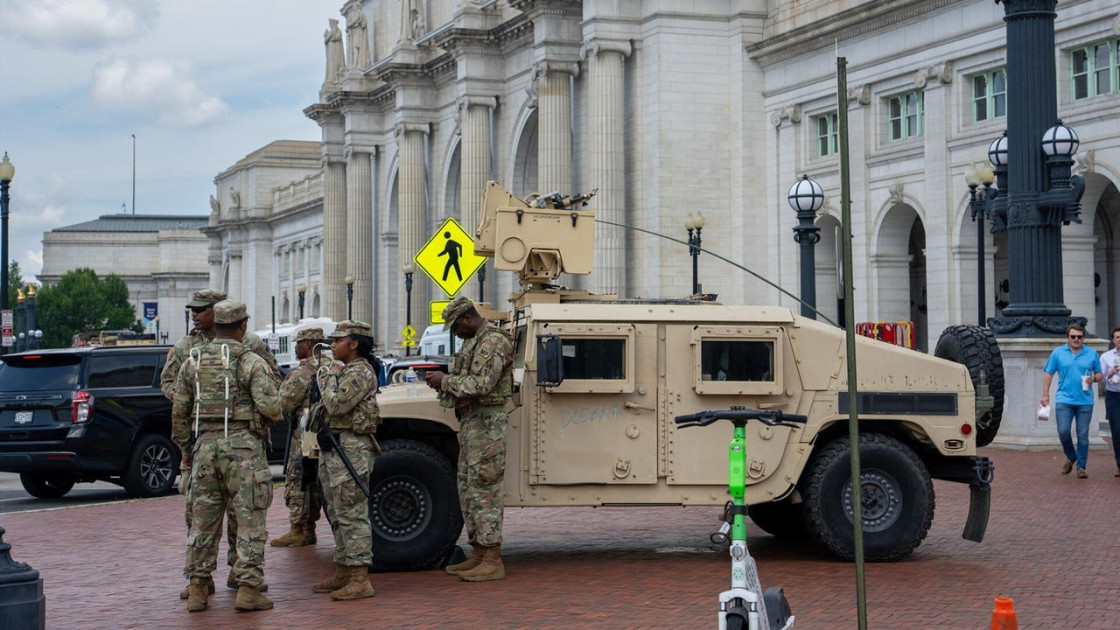
If federal troops establish perimeter security around ICE facilities, journalists and counter-protesters can document protests without fear of assault. That eliminates the excuse Portland police currently use – that victims antagonize until they’re attacked and refuse to leave despite police advice.
But it also eliminates Portland police’s preferred approach of managing protests by minimizing confrontation with the main crowd while pressuring victims to avoid situations where they might get assaulted.
Braun’s email suggests Portland police view the National Guard deployment as counterproductive not because it violates state sovereignty, but because it would require local law enforcement to actually enforce laws protecting citizens they’d prefer would just go somewhere else.
When Police Emails Become Evidence of Constitutional Violations
Oregon’s federal lawsuit against Trump’s National Guard deployment argues the president lacks authority to deploy troops for immigration enforcement in states that don’t request assistance. The lawsuit characterizes the deployment as federal overreach violating state sovereignty.
But Braun’s email – filed as evidence in that lawsuit – may actually undermine Oregon’s position. If local police won’t protect citizens exercising constitutional rights near federal facilities, and if those police characterize assault victims as antagonizers who bring violence on themselves, that strengthens federal arguments that state law enforcement has abdicated responsibility and federal intervention is necessary.
The email demonstrates that Portland police view protecting certain citizens as burdensome rather than obligatory. It shows police blaming victims for refusing to stay away from public spaces where they have constitutional rights to be present. It reveals law enforcement prioritizing protester management over crime prevention when protesters commit assaults.
All of that supports federal claims that state law enforcement cannot or will not provide adequate protection for federal facilities and personnel – which is exactly the justification Trump used for deploying National Guard troops.
Oregon filed Braun’s email to demonstrate ongoing tensions at ICE facilities that federal troop deployment would inflame. Instead, the email demonstrates why federal authorities concluded local police won’t protect citizens and federal intervention became necessary.
The Journalist Who Won’t Stop Covering Protests Police Want Her to Avoid
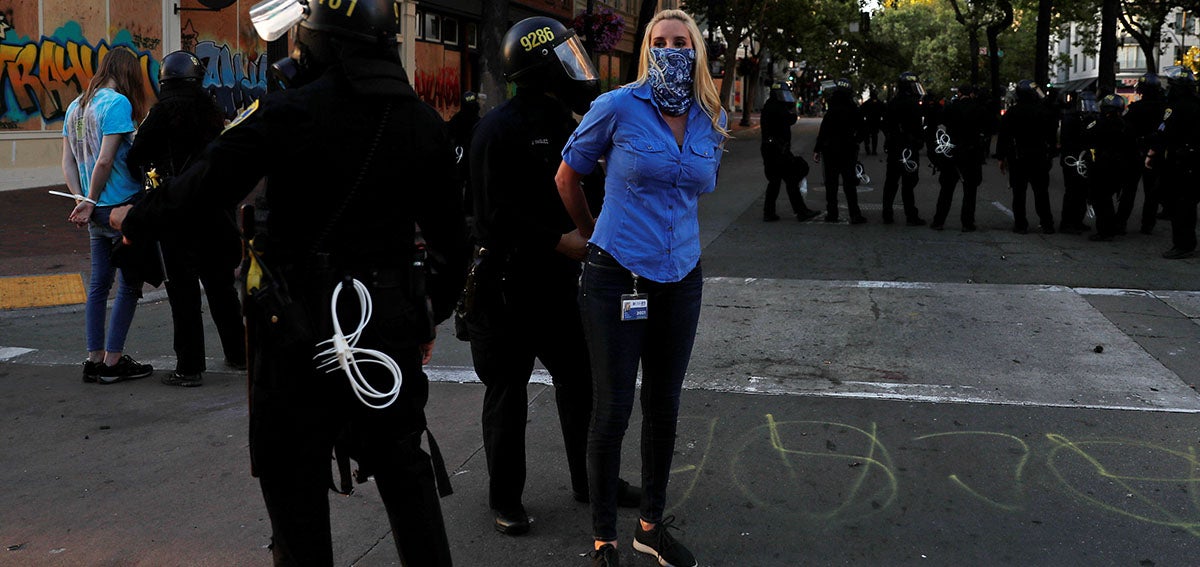
Katelyn Daviscourt continues covering Portland ICE facility protests despite being pepper-sprayed, assaulted, and characterized by police as a chronic source of calls who antagonizes until attacked. She continues because documenting protest violence is journalism, and journalists don’t stop reporting because police find their presence inconvenient.
Her statement to Fox News Digital was direct: Portland Police Bureau is “trying to cover for the fact that they can’t keep the city safe and, instead of acknowledge their own failures, they smear journalists like me who have been diligently covering the violence at the ICE facility.”
She’s right. Braun’s email is evidence of police failure disguised as victim criticism. Portland police can’t or won’t prevent assaults at ICE facility protests, can’t or won’t apprehend suspects who commit those assaults, and can’t or won’t protect citizens exercising constitutional rights to document newsworthy events.
Rather than acknowledge those failures, they blame victims for being present in the first place.
Daviscourt will keep covering the protests. Amacher will likely keep documenting them. Bouferrache will probably keep opposing them publicly. And Portland police will continue characterizing them as chronic problems rather than citizens whose rights they’re obligated to protect.
Because in Portland, getting assaulted while documenting progressive protests makes you the problem – not the person who assaulted you, and not the police who failed to prevent it.
Sgt. Andrew Braun’s email made that explicit. He just didn’t realize it would end up in federal court as evidence of exactly why federal intervention in Portland might be constitutionally justified.