
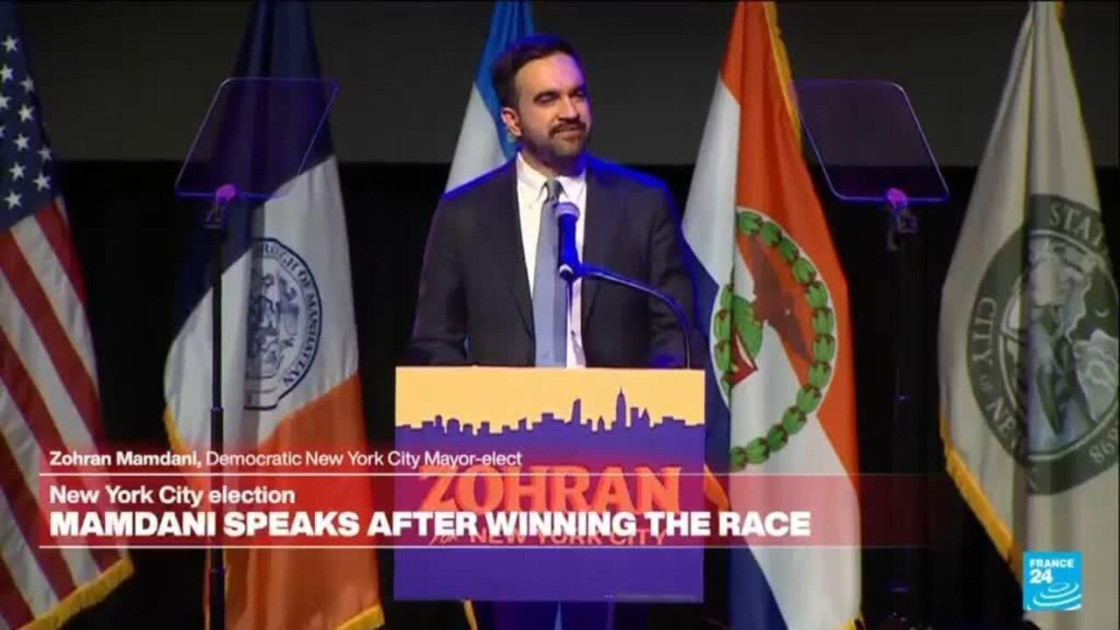
New York City Mayor-elect Zohran Mamdani announced Wednesday that former Federal Trade Commission Chair Lina Khan will co-chair his all-female mayoral transition team, sending a clear signal about the direction his administration will take when he’s sworn in January 1.
Khan, who aggressively pursued antitrust enforcement during Biden’s presidency and is a prominent Bernie Sanders ally, joins four other women leading Mamdani’s transition. Trump has already called Mamdani a “communist” and threatened to pull federal funding from New York City.
But here’s what makes this constitutionally interesting: when a mayor-elect of America’s largest city staffs his transition with progressive activists who spent years battling corporate power at the federal level, it raises questions about whether local government is becoming a staging ground for national political battles that the federal system was designed to keep separate.
At a Glance
- NYC Mayor-elect Zohran Mamdani announced an all-female transition team co-chaired by five prominent women
- Former FTC Chair Lina Khan, known for aggressive antitrust enforcement, is among the co-chairs
- Other co-chairs include former deputy mayors, nonprofit leaders, and political consultants
- Trump has called Mamdani a “communist” and threatened to withhold federal funding from NYC
- At stake: whether American federalism can survive when local and federal governments are in open political warfare
The All-Female Transition Leadership
Mamdani’s transition team will be co-chaired by five women with diverse experience in government, nonprofit work, and political strategy:
Lina Khan – Former FTC Chair who became one of the Biden administration’s most aggressive antitrust regulators, targeting big tech companies and corporate mergers
Maria Torres-Springer – Former first deputy mayor with extensive experience in New York City government
Grace Bonilla – Head of United Way of New York City, bringing nonprofit and social services expertise
Melanie Hartzog – Former deputy mayor for health and human services
Elana Leopold – Political consultant with campaign experience
The composition sends multiple messages: competence (experienced former city officials), progressive values (Khan’s appointment), commitment to representation (all-female leadership), and preparation for conflict (bringing in someone who spent years battling corporate power at the federal level).
“We will cast a wide net. We will speak to the organizers on the front lines of the fight to improve our city government, veterans with proven track records, policy experts from around the country and the world, and working people who know better than anyone what their neighborhoods need.” – Zohran Mamdani
The Lina Khan Signal
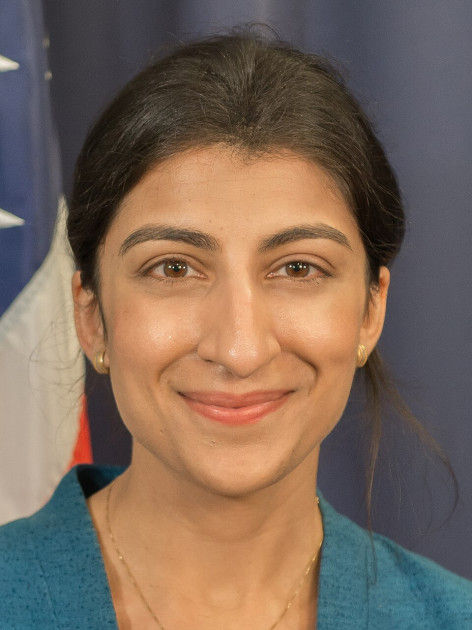
Khan’s appointment is the most significant and sends the clearest message about Mamdani’s intended approach. As FTC Chair, Khan became a leading figure in progressive antitrust enforcement, pursuing cases against Amazon, Meta, and other tech giants. She represented a more aggressive regulatory approach that made her simultaneously beloved by progressives and reviled by business interests.
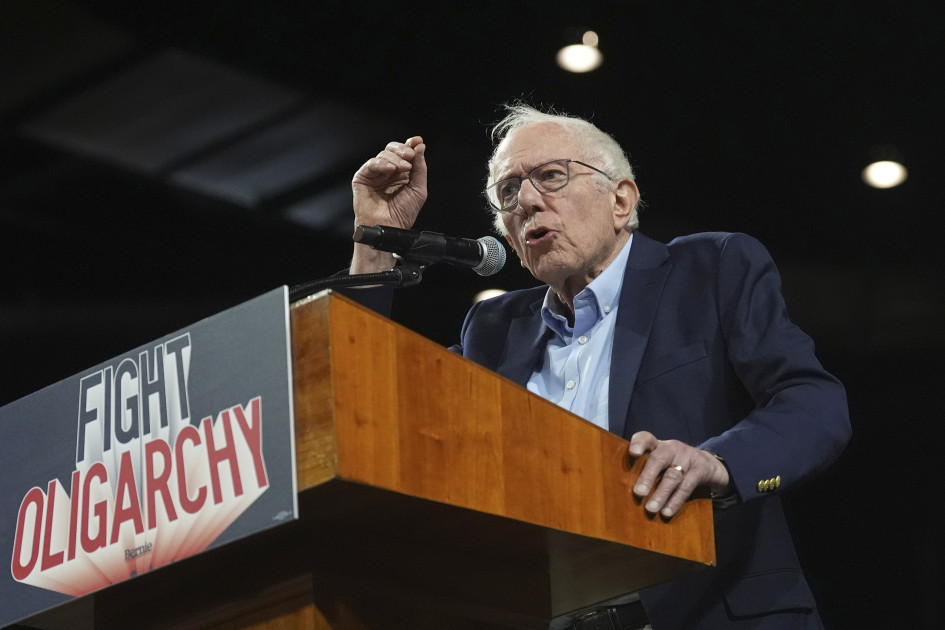
Khan is a prominent Bernie Sanders ally and embodies the progressive economic philosophy that large corporations have accumulated too much power and need aggressive government intervention to protect consumers and workers. That’s exactly the philosophy Mamdani campaigned on – calling for tax hikes on the wealthy and fighting what he calls the “oligarchy.”
Bringing Khan in as a transition co-chair signals that Mamdani intends to take a confrontational approach toward corporate power in New York City. Whether that means tougher business regulations, more aggressive enforcement of existing rules, or battles with major NYC employers remains to be seen. But the signal is unmistakable.
It also positions NYC government as explicitly aligned with progressive federal regulatory approaches that the Trump administration opposes. Khan represented Biden-era antitrust philosophy; Mamdani is bringing that philosophy to city government.
The Funding Appeal and Grassroots Message
Mamdani made an interesting pivot during his announcement: he told supporters who he’d previously asked to stop donating that they should start again. “There were a few months ago where I told supporters across the city to stop donating, and today I am asking them to start once again,” he said.
He explained the transition team needs funding for staff, research, and infrastructure, and emphasized it will be “funded by the very people who brought us to this point, the working people who have been left behind by the politics of the city.”
This framing is politically sophisticated – it positions the transition itself as a continuation of his grassroots campaign narrative rather than a traditional government operation. Instead of relying on typical transition funding sources, he’s asking small-dollar donors to fund the team that will prepare his administration.
That approach has advantages and risks. The advantage is maintaining independence from major donors and business interests who might expect influence in exchange for transition funding. The risk is that it continues campaign-style fundraising into government operations, potentially blurring lines between political movement and governmental administration.
The Trump Confrontation Setup
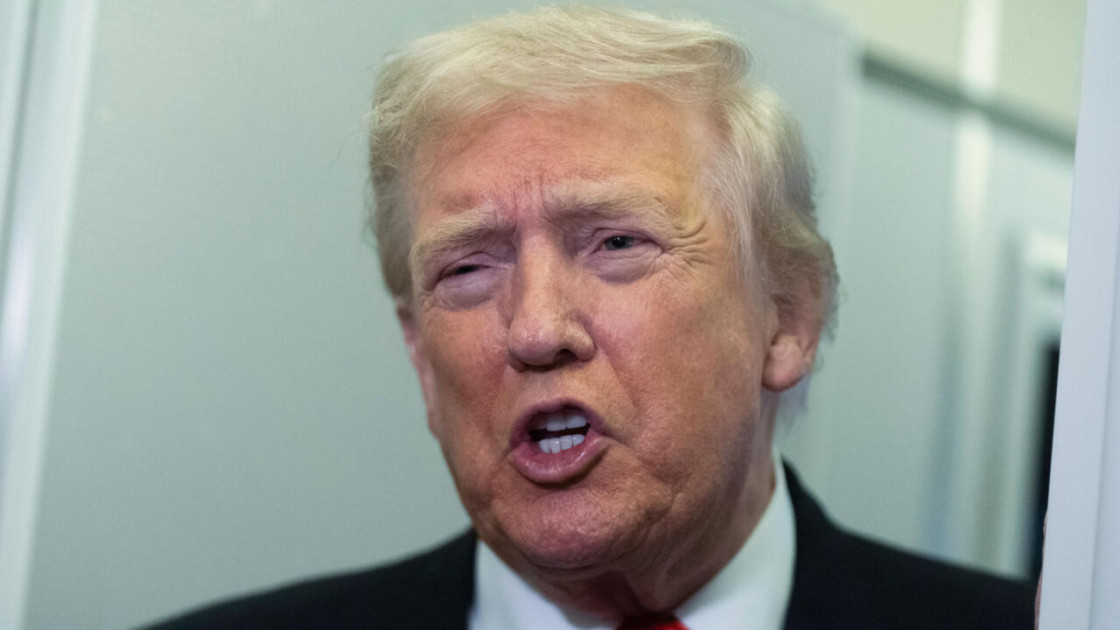
Trump has already called Mamdani a “communist” and threatened to pull federal funding from New York City. That creates an immediate constitutional confrontation when Mamdani takes office January 1.
Mamdani struck a carefully diplomatic tone about Trump: “I am interested in having a conversation with President Trump on the ways in which we can work together to serve New Yorkers, whether that be delivering on his campaign promises around cost of living or the many issues that New Yorkers have been sharing with me about the drastic impacts that the legislation that President Trump has ushered through Washington will mean for them and their lives.”
That’s politically smart messaging – offering cooperation while also making clear he’ll advocate against Trump policies that harm New Yorkers. But the underlying tension is fundamental: Mamdani campaigned on progressive policies that directly contradict Trump’s agenda, and he’s staffing his transition with people like Khan who spent years implementing regulatory approaches Trump opposes.
“I look forward to having those conversations and to making clear that if there is ever anything to be spoken about that could benefit the people of the city, I am ready and willing to speak to anyone about it.” – Zohran Mamdani on working with Trump
The Constitutional Federalism Question
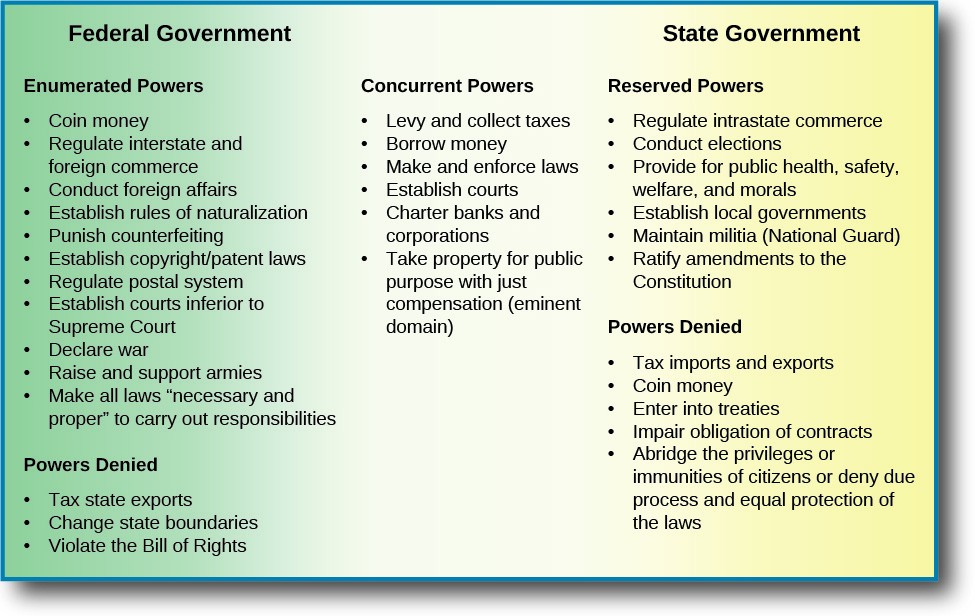
Here’s where this gets constitutionally interesting: American federalism assumes that local, state, and federal governments operate in largely separate spheres. Cities handle municipal services, states handle broader governance within their borders, and the federal government handles national issues and interstate matters.
But when the mayor-elect of America’s largest city explicitly positions his administration as fighting the “oligarchy” and brings in federal-level progressive regulators to help shape his transition, that separation starts breaking down. City government becomes a platform for national political battles.
This isn’t unique to Mamdani or progressives. Conservative mayors and governors have similarly positioned themselves as opposing Biden administration policies. Texas Governor Greg Abbott turned state government into an explicit opposition force to federal immigration policy. Florida Governor Ron DeSantis built his political brand on fighting federal COVID policies and “woke” corporate culture.
The pattern across both parties is that state and local officials increasingly view their roles not just as governing their jurisdictions, but as advancing or opposing national political agendas. That’s a significant shift from traditional federalism where different levels of government had distinct responsibilities and largely stayed in their lanes.
What the Founders Would Say
The Founders created federalism deliberately, giving different powers to different levels of government. Madison explained in Federalist 51 that dividing power between federal and state governments creates “double security” for liberty – if one level of government overreaches, the other can check it.
But that system assumes the different levels of government are actually different – that state and local officials focus on governing their jurisdictions rather than positioning themselves as leaders of national political movements.
Hamilton might argue that mayors of major cities like New York have national significance and should be expected to have national perspectives. NYC’s economy is larger than most countries, and federal policies inevitably affect the city dramatically.
Jefferson would probably worry about any concentration of power, whether at the federal or local level. He’d want strong local government that’s responsive to citizens’ needs, not local government that’s primarily focused on national ideological battles.
But none of them would recognize a world where the mayor of New York City brings in a former federal antitrust regulator to shape his transition, explicitly frames his agenda as fighting an “oligarchy,” and prepares for confrontation with a President who’s threatened to withhold federal funding. That’s not the federalism they designed – it’s something new.
The Practical Governance Challenge
Mamdani faces a genuine challenge: he needs to actually govern New York City starting January 1. That means managing a massive bureaucracy, delivering municipal services, maintaining infrastructure, keeping the city safe, and addressing immediate problems like homelessness, housing costs, and transit issues.
Those responsibilities don’t leave much room for ideological crusades against oligarchy or national political positioning. New Yorkers will judge him on whether trash gets picked up, whether subways run, whether streets are safe, and whether the city functions – not on whether he successfully fights corporate power or resists Trump.
The transition team composition suggests Mamdani understands this – he’s bringing in people with actual city government experience like Torres-Springer and Hartzog who know how to make bureaucracy work. But he’s also bringing in Khan, whose expertise is federal antitrust policy, not municipal governance.
The question is whether Mamdani can balance ideological positioning with practical governance. Previous mayors who focused too much on national profile at the expense of running the city effectively (looking at you, Bill de Blasio’s presidential run) paid political prices.

The Federal Funding Threat
Trump’s threat to withhold federal funding from New York City creates immediate constitutional problems. The Supreme Court has generally held that the federal government can condition funding on states and localities meeting certain requirements, but those conditions must be clearly stated, related to the purpose of the federal program, and not so coercive that they constitute unconstitutional commandeering.
If Trump tries to withhold funding simply because he disagrees with Mamdani’s politics or because he called him a “communist,” that would almost certainly be unconstitutional. Federal funding conditions have to be based on legitimate policy objectives, not political retaliation.
But Trump could potentially condition certain federal grants on NYC implementing policies he supports or avoiding policies he opposes. That’s constitutionally murkier – it depends on whether the conditions are related to the federal program and whether they’re coercive.
New York City receives billions in federal funding for everything from transit to housing to social services. Losing that funding would devastate city services and budgets. That gives the federal government enormous leverage, which Trump has signaled he’s willing to use.
This setup guarantees constitutional litigation when Mamdani takes office. Either Trump will follow through on funding threats and NYC will sue, or he’ll use funding conditions to try forcing policy changes and NYC will challenge those as unconstitutional.
The Constitutional Reality of Polarized Federalism
American federalism was designed to allow different approaches in different places – what Justice Brandeis called “laboratories of democracy.” States and cities could experiment with different policies, and citizens could choose where to live based on which governance approach they preferred.
But that system assumes good-faith differences about policy, not fundamental conflicts where different levels of government view each other as enemies. When the President calls the mayor-elect of America’s largest city a communist and threatens to withhold funding, and when that mayor brings in federal regulators who represent everything the President opposes, federalism becomes warfare.
Mamdani’s all-female transition team led by Lina Khan is competent and experienced. It signals his administration’s priorities clearly. And it sets up exactly the kind of federal-local confrontation that American federalism was supposed to prevent but increasingly seems designed to enable.
The Constitution gives cities and states substantial autonomy. It also gives the federal government significant power through funding and regulation. When those powers collide in the context of deep political polarization, nobody wins – except maybe the lawyers who’ll litigate the inevitable constitutional battles.
Starting January 1, New York City will have a mayor who explicitly frames his role as fighting oligarchy and corporate power, staffed by progressives who spent years doing exactly that at the federal level, facing a President who views him as a communist threat and has already threatened funding retaliation. That’s not the federalism the Founders designed – it’s what happens when their system breaks down under the weight of political polarization it was never built to handle.