
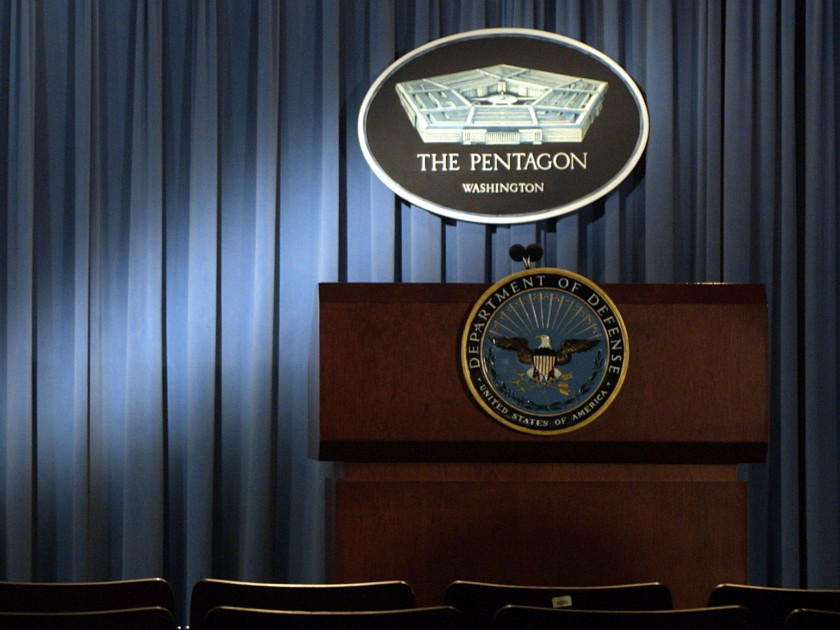
Defense Secretary Pete Hegseth gave reporters until 5 p.m. Tuesday to sign a new policy agreement or lose Pentagon access permanently. Nearly every major news organization refused. Starting Wednesday, for the first time since the Eisenhower administration, no major U.S. television network or publication will have a permanent presence in the Pentagon.
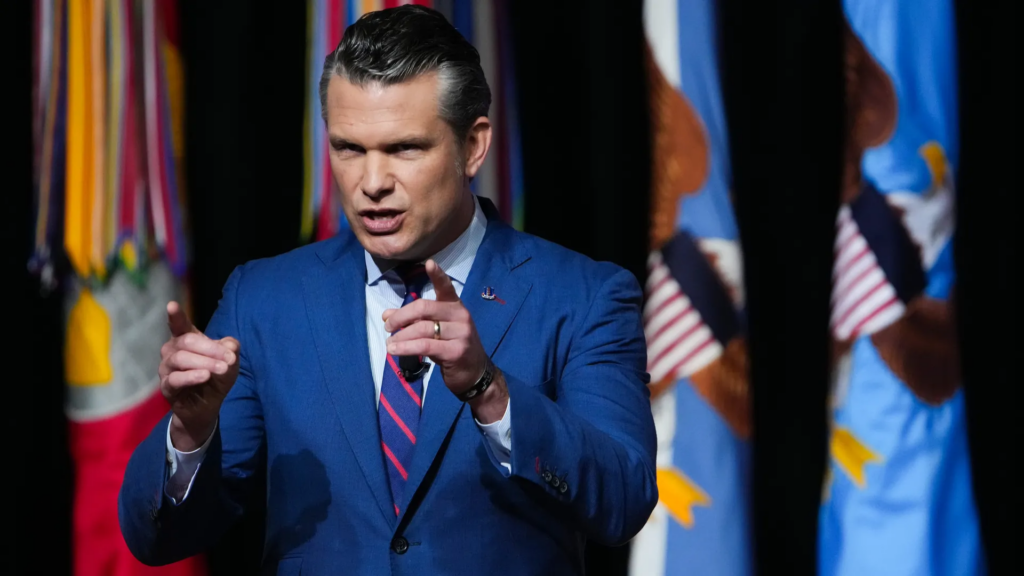
The policy requires journalists to pledge not to obtain or use any unauthorized material – even unclassified information – or face designation as a “security or safety risk” and removal from the building. Reporters say it violates the First Amendment by criminalizing basic journalism. Hegseth says it’s “commonsense stuff” to protect classified information.
Only One America News Network, a far-right outlet that regularly provides favorable Trump coverage, agreed to sign. ABC, CBS, NBC, CNN, Fox News, The New York Times, The Washington Post, The Associated Press, Reuters, NPR, and dozens of other outlets refused.
The Provision That Killed the Deal
The policy doesn’t technically bar journalists from reporting stories using sensitive or unclassified information. But it states that if reporters “solicit the disclosure of such information or otherwise encourage DoD personnel to violate laws and policies,” that conduct “may weigh in the consideration of whether you pose a security or safety risk.”
The Pentagon defines “solicitation” to include calls for tips encouraging military personnel to share nonpublic information – exactly what investigative reporters do routinely through publications and social media.
That language was the dealbreaker. “Hegseth and his department are trying to stifle a free press,” the Pentagon Press Association declared.
The policy “conveys an unprecedented message of intimidation to everyone within the DoD, warning against any unapproved interactions with the press.”
NPR Pentagon reporter Tom Bowman wrote that signing would make journalists “stenographers parroting press releases, not watchdogs holding government officials accountable.”
The vague “security or safety risk” designation gives officials unlimited discretion to remove any reporter who asks questions about information the Pentagon hasn’t pre-approved for release – even if that information is unclassified and concerns legitimate public interest.
The Access That Was Already Disappearing
The new rules follow months of Hegseth systematically restricting press access. In January, his office removed four outlets from their Pentagon workspaces under a “rotation program,” replacing them with One America News Network and Breitbart News. When the Press Association sought clarification, officials removed four more outlets including The Hill.
In May, Hegseth restricted journalists from most Pentagon hallways without official escorts – an extreme decision as reporters had enjoyed building access for decades. Secure spaces were always off-limits, but reporters could previously move freely through unclassified areas.
Under the new policy, all news organizations will be moved from dedicated workspaces to an unknown location in the building, likely making it harder to access military personnel for interviews and information.
Hegseth hasn’t briefed Pentagon reporters in nearly four months. Press Secretary Kingsley Wilson hasn’t conducted a briefing in two months – all while the U.S. military conducted legally questionable strikes in the Caribbean, deployed troops to American cities, and continues operating globally.
Even Fox News Said No
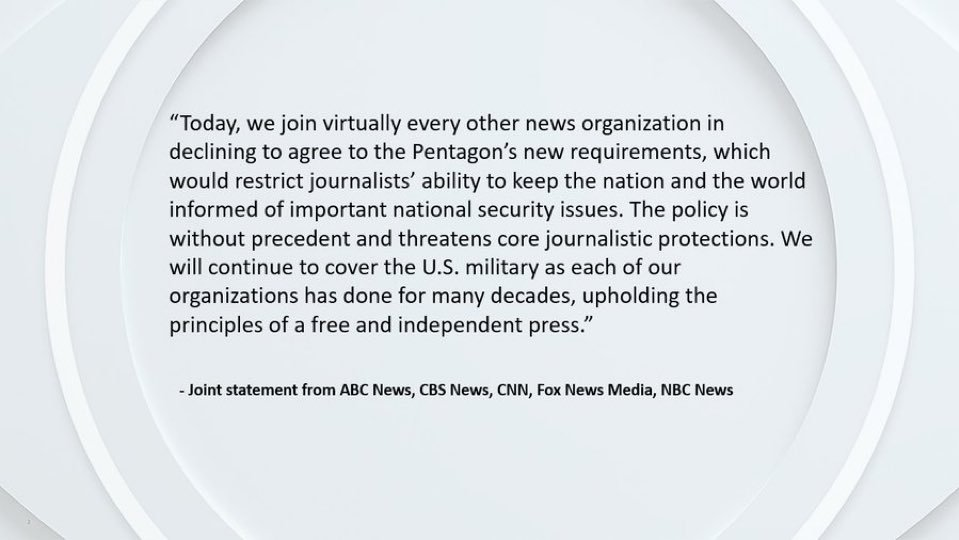
Fox News, Hegseth’s former employer where he worked as a weekend host, joined the near-unanimous rejection. The network signed a joint statement with ABC, CBS, NBC and CNN declaring “the policy is without precedent and threatens core journalistic protections.”
The Fox rejection carries particular weight given the network’s pro-Trump editorial stance and Hegseth’s previous employment there. When even the administration’s most sympathetic major media outlet refuses to sign, the policy’s extremism becomes undeniable.
Conservative outlets Newsmax and Washington Times also rejected the rules. Newsmax called the requirements “unnecessary and onerous.”
One America News Network founder Charles Herring said the outlet signed after attorney review. OANN regularly provides uncritical Trump coverage and was one of the outlets Hegseth moved into Pentagon workspace when he removed mainstream organizations.
The pattern suggests the policy functions as a loyalty test – outlets willing to serve as administration stenographers get access, those maintaining journalistic independence get expelled.
The Constitutional Problem
The First Amendment protects press freedom, but it doesn’t guarantee government access. Courts have consistently held that officials can impose reasonable restrictions on press access to government facilities for security, operational efficiency, or other legitimate purposes.
But those restrictions must be content-neutral and applied consistently. Officials can’t grant access to friendly outlets while excluding critical ones. They can’t condition access on reporters agreeing to only publish pre-approved information.
Hegseth’s policy crosses those lines. It explicitly conditions access on not soliciting unauthorized information – which means not doing investigative journalism. It designates reporters as security risks based on their newsgathering activities rather than genuine security threats. And it provides access to OANN while excluding organizations that maintain editorial independence.
The Associated Press stated the policy “undermines the First Amendment and AP’s core values as an independent global news organization. The restrictions impede the public’s access to information about their government and limit the people’s right to know.”
Hegseth Mocks the Media Response
The Defense Secretary responded to news organization statements by posting wave-goodbye emojis on social media. He mocked The New York Times, The Atlantic, and The Washington Post announcements that they wouldn’t sign the policy.
At the White House Tuesday, Hegseth insisted the restrictions were “commonsense stuff” designed to protect classified information – despite existing rules already limiting access to classified materials. He accused journalists of trying to get military personnel to “break the law” by leaking information.
Trump backed Hegseth fully, calling the press “very dishonest” and suggesting he could move the White House press corps “across the street” if he chose. He claimed Pentagon restrictions came from “valid national security concerns” and that journalists were “disruptive in terms of world peace and maybe security for our nation.”
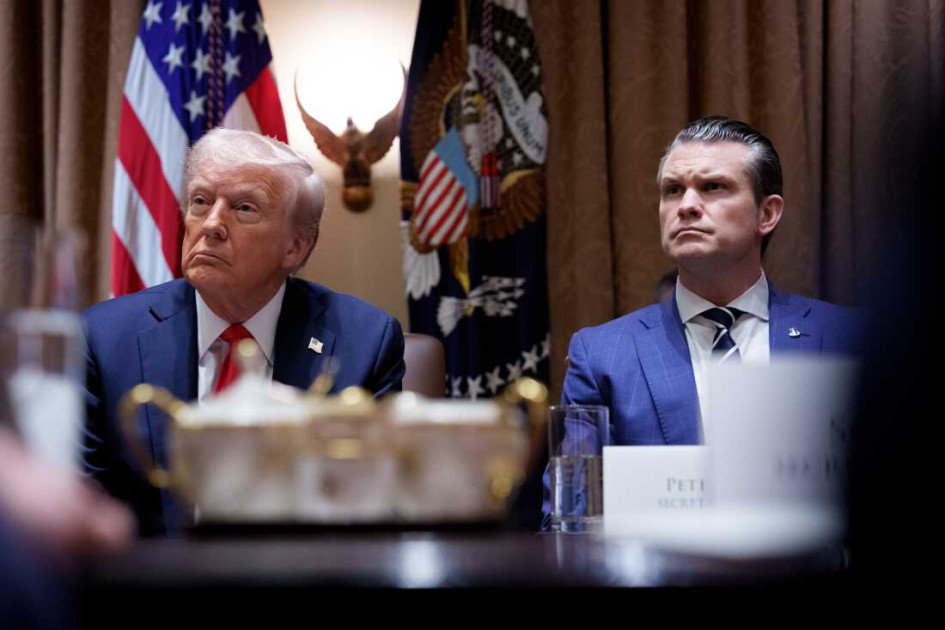
The president added: “I find that when it comes to war, it bothers me to have soldiers and even high-ranking generals walking around with you guys on their sleeve.”
The framing treats journalists as adversaries threatening national security rather than constitutionally protected watchdogs holding government accountable.
What Happens Wednesday
News organizations have made clear they’ll continue covering the military without Pentagon building access. Reporters can still attend official briefings (if Hegseth ever holds them again), file FOIA requests, cultivate sources outside the building, and report on military operations from other locations.
But losing physical presence in the Pentagon significantly hampers coverage. Reporters can’t observe daily operations, can’t have impromptu conversations with officials, can’t respond quickly to developing stories, and can’t access the Pentagon press room’s wireless internet for filing breaking news.
The restriction also sends chilling message to Defense Department personnel. If reporters can be removed for soliciting information, military personnel know that speaking to press – even about unclassified matters – could be characterized as improper and punished.
The Pentagon Press Association noted that “our members did nothing to create this disturbing situation. It arises from an entirely one-sided move by Pentagon officials apparently intent upon cutting the American public off from information they do not control and pre-approve.”
The Case Heading to Court
Several news organizations have indicated the dispute is likely headed for legal challenges. Barring a policy reversal, litigation seems inevitable over whether the restrictions violate First Amendment protections and improperly discriminate based on editorial viewpoint.
Courts will have to balance Pentagon security concerns against press freedom and public’s right to know about military operations. Previous cases have established that while government can impose reasonable access restrictions, it can’t use those restrictions to censor unfavorable coverage or punish aggressive journalism.
The fact that OANN receives access while every major news organization gets expelled suggests viewpoint discrimination rather than neutral security policy. The timing – coming after months of steadily restricting access and ending press briefings – reveals a pattern of trying to control information rather than protect legitimate classified material.
Trump’s broader war on media – including lawsuits against ABC, CBS, The New York Times and The Wall Street Journal, plus efforts to defund Voice of America and Radio Free Europe – provides context suggesting these restrictions serve political rather than security purposes.
The Department of War Mentality
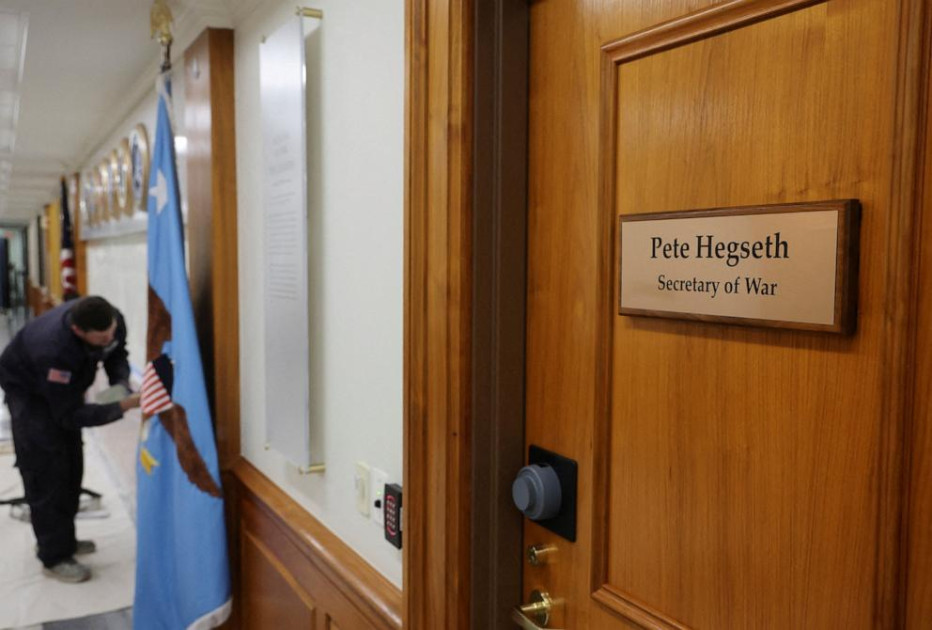
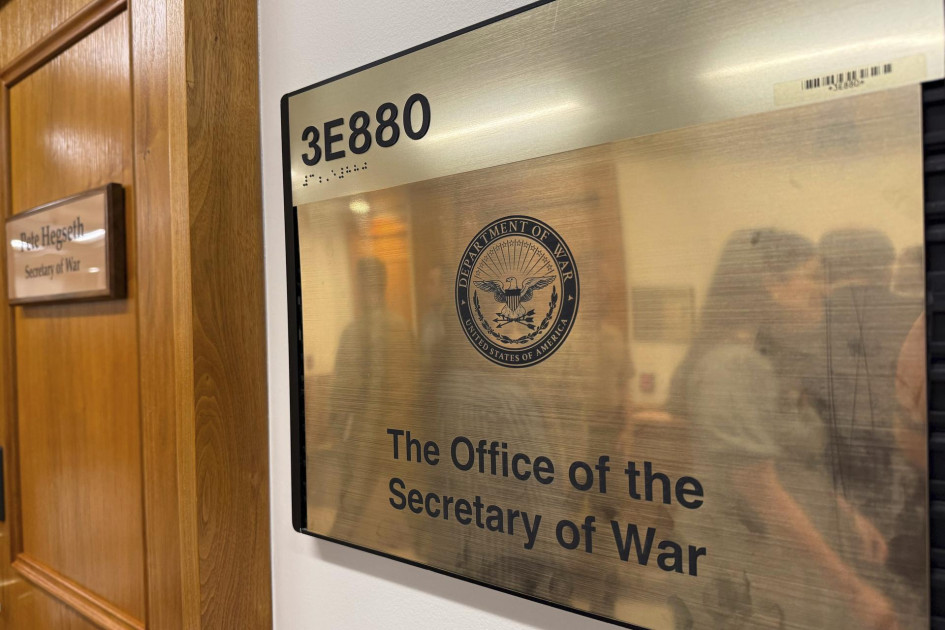
Hegseth consistently refers to his agency as the “Department of War” rather than Department of Defense. The rhetorical shift signals preferred posture – offensive operations and combat focus rather than defensive protection.
Applied to press relations, the “Department of War” framing treats journalists as enemies rather than necessary democratic institution. You don’t give enemies access to your operations. You don’t answer their questions. You control information they receive and punish those who seek unauthorized material.
But the U.S. military serves a constitutional democracy where civilian control and public accountability are foundational principles. Americans need independent information about how their military operates, what missions it conducts, and how it uses resources. That requires a free press with meaningful access.
NPR’s Bowman captured the stakes: signing the policy would transform journalists into “stenographers parroting press releases” rather than watchdogs holding government accountable. A military operating without press scrutiny is a military operating without democratic accountability.
What the Founders Would Say
The First Amendment explicitly protects press freedom because the Founders understood that democracy requires informed citizens and that government officials naturally prefer to control information about their activities. A free press serves as check on government power specifically by uncovering information officials would rather keep hidden.
The Pentagon policy inverts that relationship. It conditions access on reporters agreeing not to seek unauthorized information – which means not uncovering anything officials haven’t chosen to release. It transforms the press from watchdog into publicist.
The Founders designed a system where military power remains subordinate to civilian authority and public accountability. Secret military operations conducted without press scrutiny or public knowledge threaten democratic governance regardless of whether they’re operationally justified.
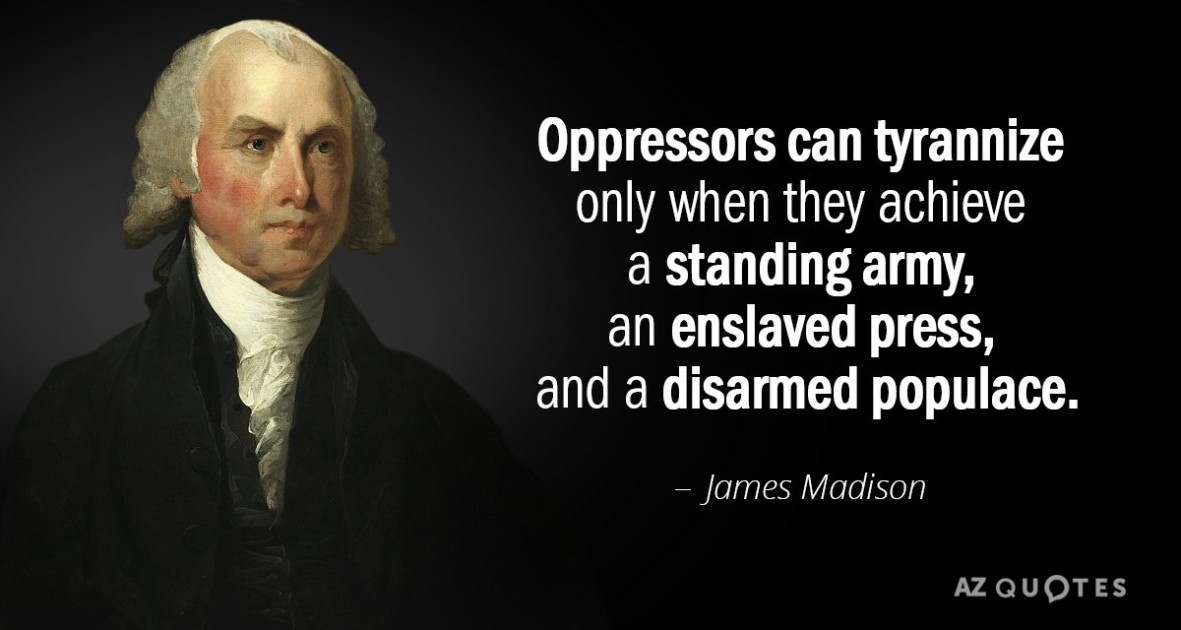
Pentagon officials have legitimate interests in protecting classified information that could endanger operations or personnel. But existing classification systems, security clearances, and operational security procedures already protect those interests. The new policy restricts unclassified information and basic journalism – going far beyond legitimate security concerns.
The Precedent This Sets
If the Pentagon can condition access on reporters pledging not to solicit unauthorized information, what prevents other agencies from imposing similar restrictions? Can the White House require reporters to only ask pre-approved questions? Can Congress restrict access to members who don’t want scrutiny? Can federal courts ban reporters who seek information about judicial operations?
The slippery slope isn’t hypothetical. Trump already suggested he could move White House press corps “across the street” if he wanted. The willingness to weaponize access based on editorial compliance creates blueprint for systematic press exclusion across government.
Once officials discover they can operate without meaningful press scrutiny by simply removing reporters who ask difficult questions, the incentive to maintain press access disappears. The short-term political benefit of controlling information outweighs any institutional commitment to transparency or accountability.
Starting Wednesday, America’s military operates without independent press presence for the first time in nearly 70 years. The reporters will keep reporting. But they’ll do it without the access, observation, and source cultivation that make accountability journalism possible.
And the Defense Secretary who expelled them responds with wave-goodbye emojis, secure in knowledge that the president supports removing journalists who won’t agree to publish only pre-approved information.
The First Amendment remains in the Constitution. Its practical protection for press freedom depends on officials respecting it even when journalism proves inconvenient. When that respect disappears, the constitutional text alone can’t force access.
The courts may eventually rule on whether Hegseth’s policy violates the First Amendment. In the meantime, the Pentagon operates behind closed doors, and Americans lose independent information about how their military functions, what missions it conducts, and whether it operates consistent with democratic values.
That’s what happens when press freedom meets officials who view journalism as enemy activity rather than constitutional necessity. The Constitution protects the press. But it can’t force officials to grant access. And without access, even constitutionally protected press freedom can’t fulfill its watchdog function.