
It is a rare moment in Washington when the procedural machinery of the House of Representatives completely breaks down in public view.
On Wednesday morning, just hours before a scheduled vote on the Republican health care package, four moderate GOP lawmakers crossed the aisle to sign a discharge petition—a “nuclear option” in legislative maneuvering. By joining with Democrats, they have successfully bypassed Speaker Mike Johnson to force a vote on extending Affordable Care Act subsidies.
But this dramatic act of rebellion comes with a harsh reality: it is almost certainly too late.
Despite the political fireworks, the clock has run out. With Congress set to depart for the holidays, millions of Americans are now effectively guaranteed to see their health insurance premiums skyrocket on January 1, regardless of what happens on the House floor today.

At a Glance: The Health Care Cliff
- What’s Happening: The House is voting on a GOP health care bill today, but it excludes the extension of ACA (Obamacare) subsidies that expire on Dec. 31.
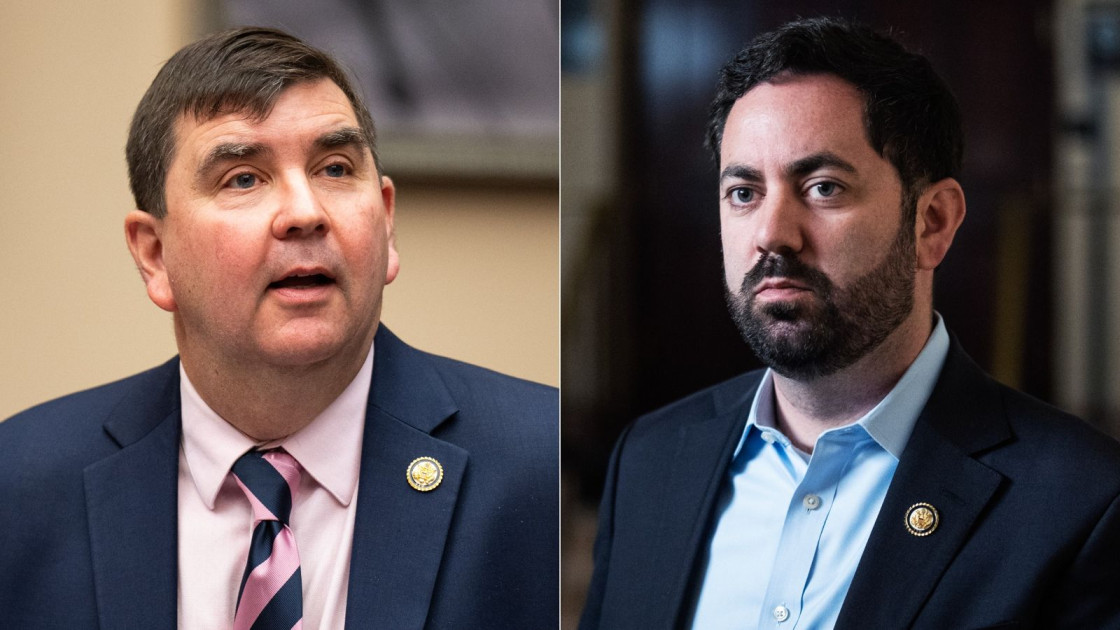
- The Revolt: Four moderate Republicans—Reps. Brian Fitzpatrick, Mike Lawler, Robert Bresnahan, and Ryan Makenzie—signed a Democratic discharge petition to force a vote on extending the subsidies.
- The Result: The petition now has the 218 signatures needed to override the Speaker, but procedural rules mean the vote cannot happen until January.
- The Cost: Because Congress missed the deadline, premiums for millions of enrollees will spike on Jan. 1, creating immediate financial pain and political chaos.
- The Constitutional Issue: A masterclass in legislative procedure and the checks on power within the House. The discharge petition is the only tool the minority has to break the Speaker’s iron grip on the floor schedule.
The ‘Show Vote’ and the Mutiny
Speaker Mike Johnson moved forward on Wednesday with a vote on the Lower Costs, More Transparency Act. The bill includes conservative priorities like expanding “association health plans” and regulating pharmacy benefit managers.
Republican leadership argues this creates “commonsense solutions” and flexibility. However, because it lacks the subsidy extension, it faces a 60-vote threshold in the Senate that it cannot possibly meet. It is, in the words of critics, a “messaging bill” designed to give Republicans something to point to when prices rise.
“We’re not going to pass anything by the end of this week.” — Senate Majority Leader John Thune
Frustrated by what he called “political malpractice,” Rep. Mike Lawler (R-NY) led a small group of vulnerable Republicans to the House floor to sign the discharge petition. This rare maneuver allows a majority of members (218) to pull a bill out of committee and force a floor vote, stripping the Speaker of his most fundamental power: setting the agenda.
The Procedural Trap: Why Prices Will Still Rise
While the revolt was politically explosive, the parliamentary math is unforgiving.
Under House rules, even after a discharge petition secures 218 signatures, it must sit on a calendar for seven legislative days before a vote can be called. This “ripening” period means the earliest the House can actually vote on the subsidy extension is in January.
By then, the ball drops on New Year’s Eve, the subsidies expire, and the premium notices reflecting doubled or tripled costs will have already hit mailboxes.
Senate Minority Leader Chuck Schumer put it bluntly: “After Jan. 1, the toothpaste is out of the tube.”
The Senate’s ‘Filing Cabinet’
Even if the discharge petition eventually forces a bill through the House in January, it faces a second constitutional hurdle: the U.S. Senate.
The Senate has already rejected a clean three-year extension of the subsidies. While Sen. Susan Collins (R-ME) is leading a bipartisan group trying to find a compromise—potentially a two-year “glide path” with reforms—that deal does not yet exist in legislative text.
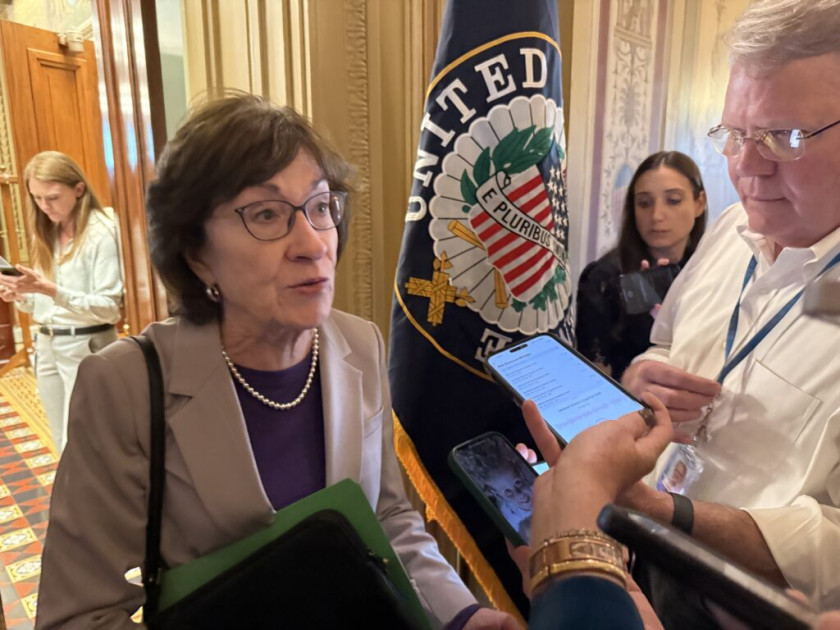
This leaves the two chambers in a classic standoff of bicameralism. The House is passing a bill the Senate won’t take up. The Senate is negotiating a deal the House conservatives hate. And the “moderates” in the middle are using procedural weapons to force a conversation that is happening too late to stop the immediate economic damage.
A Crisis of Governance
The events of this week highlight a dysfunction that goes deeper than partisan fighting.
The expiration of these subsidies was a known deadline set years ago. Yet, caught between ideological purity tests and election-year posturing, Congress waited until the final 48 hours to engage in a chaotic scramble that produced no result.
For the voters in Rep. Lawler’s district—and millions of others—the intricacies of discharge petitions and Senate filing cabinets matter little. What matters is the bill coming due on January 1, a bill that their government failed to pay.