
First Lady Melania Trump has threatened a billion-dollar defamation lawsuit against the former president’s son, Hunter Biden, over his claim in a recent interview that she met her husband through the late convicted sex offender Jeffrey Epstein.
This is not mere tabloid drama. It is a high-stakes legal battle that is poised to test one of the most important and controversial doctrines in American constitutional law: the “actual malice” standard that governs free speech about public figures.
This conflict forces us to examine a fundamental tension in our republic. Where do we draw the line between the First Amendment’s protection of robust, and even caustic, political speech, and an individual’s right to be protected from defamatory falsehoods?
The answer lies in a landmark Supreme Court case that has shaped American free speech for 60 years.

A Pattern of Retractions and Apologies
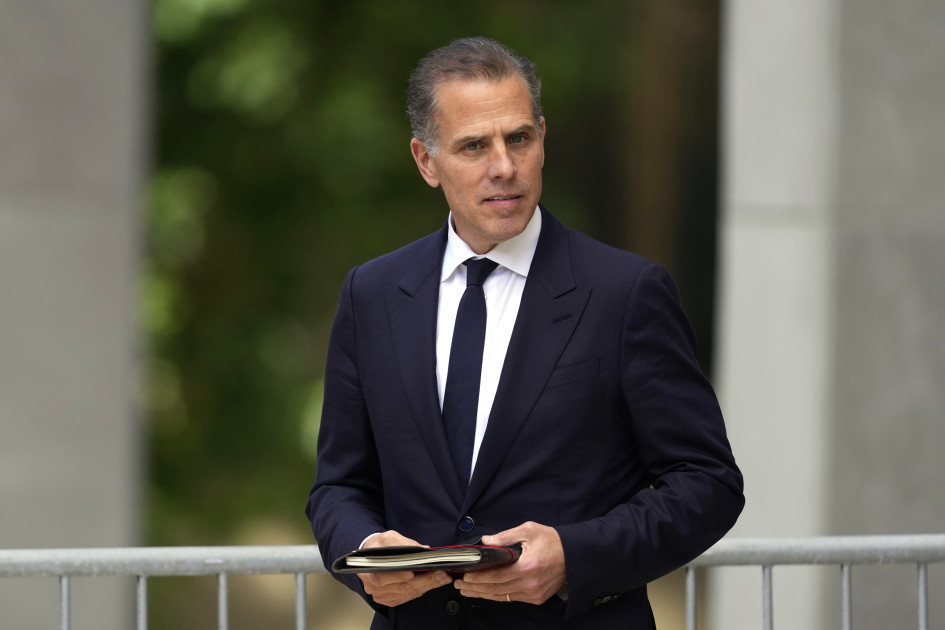
In a widely circulated interview, Hunter Biden stated, “Epstein introduced Melania to Trump.” The First Lady’s legal team immediately sent a cease-and-desist letter, demanding a retraction and apology and threatening a massive lawsuit.
Crucially, this claim did not originate with Biden.
The First Lady’s lawyers have been systematically targeting the source of this rumor. Just last week, after receiving a similar legal notice, The Daily Beast retracted and apologized for an article by journalist Michael Wolff that contained the allegation.
Days later, veteran Democratic strategist James Carville issued a public apology on his podcast for repeating the claim, stating he was taking down the video and editing his comments. This pattern is a key part of the legal strategy: it establishes a public record that the claim has been repeatedly and publicly discredited.
The Constitutional Guardrail: New York Times v. Sullivan
To understand this legal fight, one must understand the 1964 Supreme Court case, New York Times Co. v. Sullivan. This is one of the most important First Amendment decisions in history.
To protect free and open debate about public matters, the Court created an incredibly high bar for public officials (later extended to public figures like a First Lady) to win a defamation lawsuit.
The Court ruled that it is not enough for a public figure to prove that a statement made about them was false. To win a defamation case, they must prove that the false statement was made with “actual malice.”
A Test of “Reckless Disregard”
“Actual malice” is a specific legal term. It does not mean the speaker had ill will. It means the person who made the statement either knew it was false, or they acted with reckless disregard for whether it was true or false.
This is the constitutional battlefield on which this case will be fought. The First Lady’s legal team is building a classic “actual malice” argument. Their case will likely be that since the original sources of the rumor have already issued public retractions and apologies, Hunter Biden, by repeating the claim after it was publicly debunked, was acting with “reckless disregard for the truth.”
The threat of a billion-dollar lawsuit is a powerful opening salvo in what is sure to be a complex legal battle. It is a real-world test of the First Amendment’s protections for speech about our most public figures. This case will force the courts to decide where the line is between protected, if aggressive, political commentary, and a defamatory falsehood that is published with reckless disregard for a truth that has already been established.