
In the privacy of a high school boys’ locker room, a conversation between two teenage boys has erupted into a national legal battle.
After being suspended and officially branded as “sexual harassers” by their school district for complaining about a transgender classmate using their changing facilities, the two boys are now taking their fight to federal court.
Their case is more than a dispute over a 10-day suspension. It is a profound constitutional test that pits the free speech rights of students against the federal government’s mandate to protect transgender students from harassment, with the deeply sensitive issue of student privacy at its core.
At a Glance: The Loudoun County Locker Room Case
- What’s Happening: Two high school boys in Loudoun County, Virginia, are suing their school district after being suspended and found responsible for Title IX sexual harassment.
- The Incident: The boys were punished for a videotaped conversation in which they complained about a transgender student (a biological female who identifies as a boy) using the boys’ locker room.
- The Legal Claim: The boys’ lawyers, backed by conservative legal groups, argue their First Amendment right to free speech was violated and that the school is “weaponizing” Title IX.
- The Constitutional Issue: A major clash between a student’s First Amendment right to express discomfort, a transgender student’s right to an environment free from harassment under Title IX, and the unenumerated right to privacy.
Branded ‘Sexual Harassers’
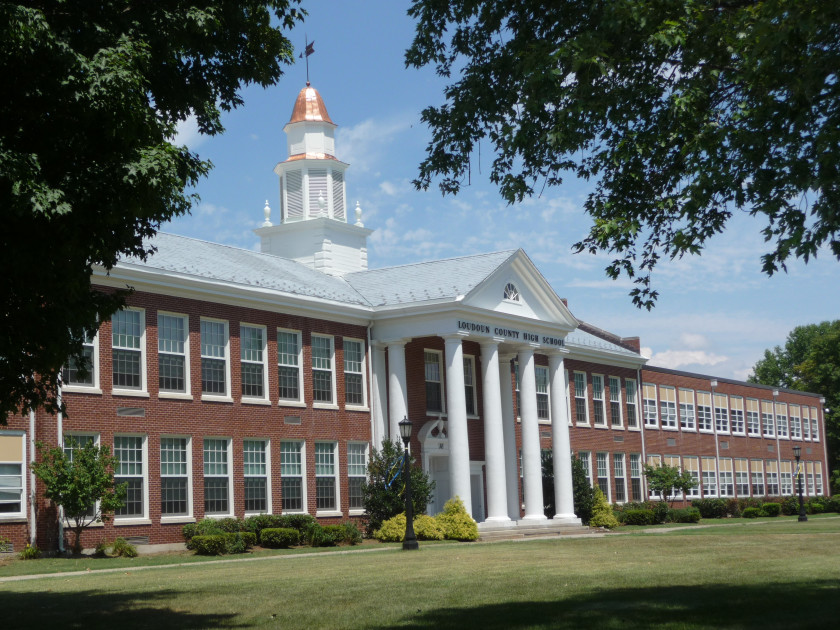
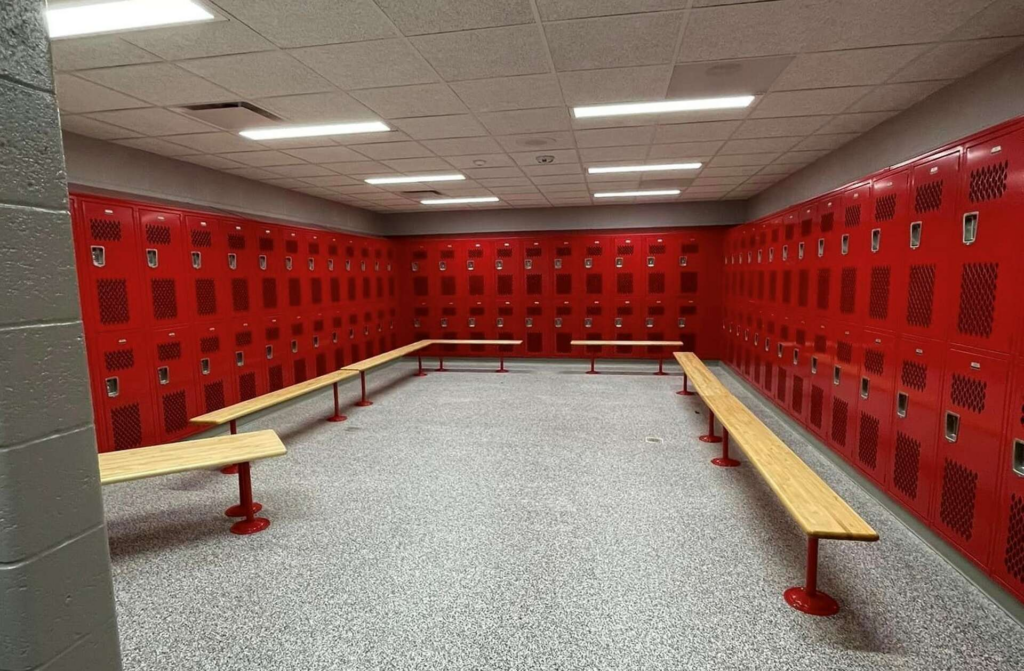
The controversy began earlier this year when two sophomore boys at a Loudoun County high school were recorded in their locker room complaining to each other about the presence of a transgender student.
School officials, upon learning of the conversation, launched a formal Title IX sexual harassment investigation into the two boys. The investigation concluded that the boys were responsible for harassment, a finding that will go on their permanent school records. They were suspended for 10 days.
After the school district denied their final appeal this week, the families announced their intent to sue in federal court.
“This isn’t just about our sons — it’s about every child in Loudoun County. If the district can weaponize Title IX in this way, no family is safe.” – Seth Wolfe, father of one of the boys.
A Clash of Rights: The First Amendment vs. Title IX
The forthcoming lawsuit creates a direct constitutional collision between two powerful legal principles that govern life in public schools.
The boys’ lawyers will argue that their clients’ conversation was protected speech under the First Amendment. The landmark 1969 Supreme Court case Tinker v. Des Moines affirmed that students do not “shed their constitutional rights to freedom of speech or expression at the schoolhouse gate.” They will contend that a private conversation expressing discomfort with a school policy cannot be classified as harassment.
The school district, on the other hand, is bound by Title IX, a 1972 federal law that requires schools to prevent and address sex-based harassment. The administration will argue that the boys’ comments created a “hostile environment” for the transgender student, which the school has a legal obligation to stop.
This case creates a direct constitutional collision: Where does a student’s First Amendment right to speak end, and another student’s Title IX right to be free from harassment begin?
The Unspoken Right to Privacy
Lurking just beneath the surface of the free speech and Title IX debate is a third, equally powerful constitutional issue: the right to privacy.
The boys’ lawsuit implicitly argues that students have a right to bodily privacy in sex-segregated spaces like locker rooms and bathrooms. While this right is not explicitly written in the Constitution, the Supreme Court has found that a right to privacy exists in the “penumbras,” or shadows, of the Bill of Rights.
The case will force a federal court to grapple with a difficult and largely unanswered question:
Do students have a constitutional right to privacy from students of the opposite biological sex in a school locker room?
A National Flashpoint in a Local Courtroom
Loudoun County, Virginia, has for years been a national epicenter for the culture wars over public education. This lawsuit is the latest, and perhaps most constitutionally significant, battle to emerge from that conflict.
A federal court will now be forced to navigate a minefield of competing rights: the free speech of one group of students, the safety and equality of another, and the privacy of all.
The outcome will have profound implications for school districts across the country as they struggle to balance these deeply held and often conflicting constitutional principles.