
The words were vile, specific, and violent. A former Coast Guard officer wrote online that he wanted someone to “take the shot” at President Trump, adding that he “would twist the knife after sliding it into [Trump’s] fatty flesh” and would “pitch in” for a hitman. The Department of Justice charged him with a felony for soliciting a crime of violence.
But after a two-day trial, a Virginia jury found the man, Peter Stinson, not guilty. This stunning acquittal is not an endorsement of Stinson’s horrific speech. It is a powerful, real-world lesson in the Constitution’s high and difficult firewall that protects even the most detestable speech from government prosecution.
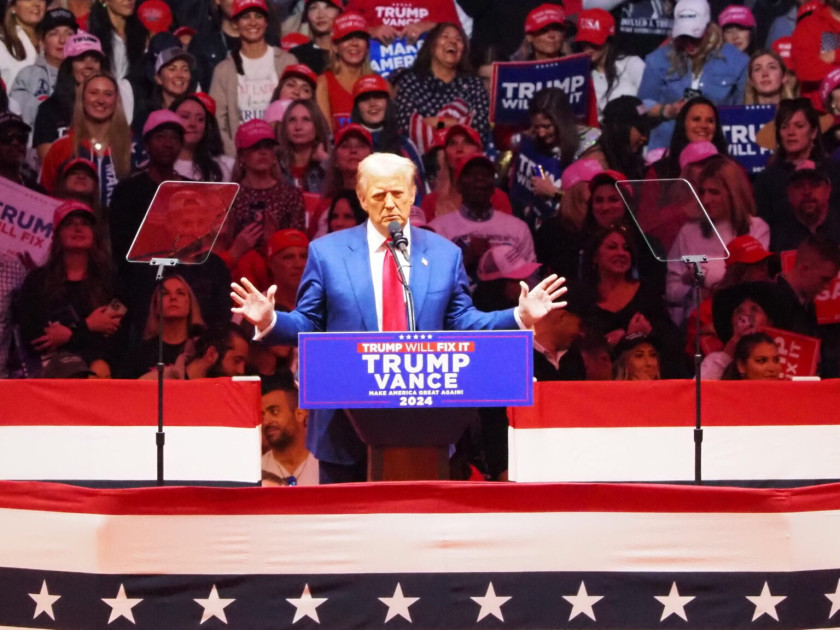
Where is the Constitutional Line Between a Rant and a Crime?
This case forces us to confront one of the most challenging questions in our republic: Where does the First Amendment’s protection for free speech end, and a criminal threat begin? The prosecution and the defense presented two different constitutional standards, and the jury’s verdict tells us which one they found more compelling.
The defense’s argument, which ultimately won the day, rested on a landmark 1969 Supreme Court case: Brandenburg v. Ohio. This is the case that gives us our modern test for incitement. To be illegal, speech must be (1) “directed at inciting or producing imminent lawless action” and (2) “likely to incite or produce such action.”
Stinson’s attorneys argued his posts were not an actual, imminent threat but “political advocacy that the First Amendment was squarely designed to protect,” however hateful. The jury, in acquitting him, seems to have agreed.
What is a “True Threat”?
This case highlights the difference between protected, if “vituperative,” political hyperbole and a “true threat.” The Supreme Court, in another 1969 case, Watts v. United States, overturned the conviction of a protester who said that if he were drafted and given a rifle, the first person he would want to kill was President Lyndon B. Johnson. The Court ruled this was not a “true threat” but a crude, angry, and constitutionally protected political statement.
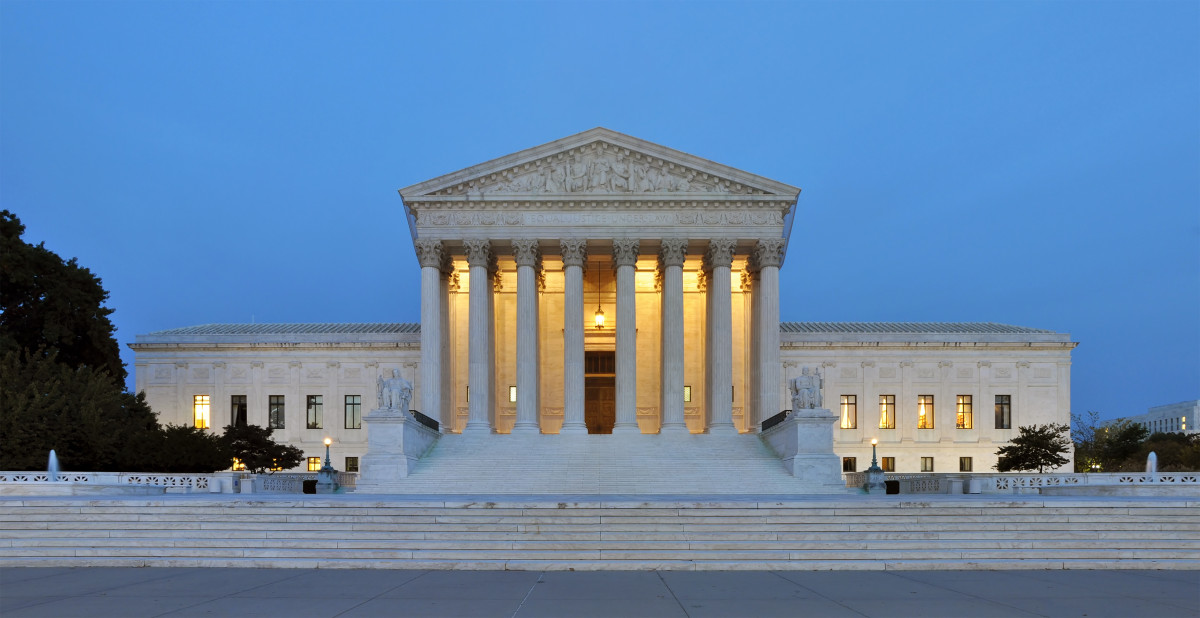
In Stinson’s trial, prosecutors argued his words – like offering to “pitch in” for a hitman – crossed the line from hyperbole into solicitation. But legal experts point out that to be a crime, solicitation must be specific. It requires a direct, concrete effort to hire a specific person to commit a specific crime, not just an angry, open-ended fantasy posted to the void of the internet.
Why Does This Acquittal Matter?
This verdict, handed down in the tense and grieving atmosphere following the assassination of Charlie Kirk, is a profound and perhaps uncomfortable affirmation of our constitutional principles. The jury’s “not guilty” verdict is not a statement that Stinson’s words were acceptable; it is a statement that they did not meet the high constitutional bar for a criminal conviction.

The jury’s decision is a powerful check on the government’s power. It is a rebuke to the idea, floated recently by some in the administration, that “hate speech” itself should be a target of the DOJ.
This case is a sober reminder that the First Amendment was not written to protect polite speech; it was written to protect the speech we despise. In our republic, the answer to hateful words is not government prosecution, but overwhelming public condemnation. The jury in Virginia has just reaffirmed that difficult, but essential, constitutional line.